 Vietnamnet.vn

 Podcast


During a National Assembly question-and-answer session with Finance Minister Ngo Van Tuan on November 12, lawmakers raised concerns about public investment disbursement, particularly the practice of passing construction contracts through multiple layers of subcontractors.
Project implementation remains the weakest link
National Assembly deputy Trang A Duong, representing Lao Cai, highlighted a contradiction in public investment allocation.
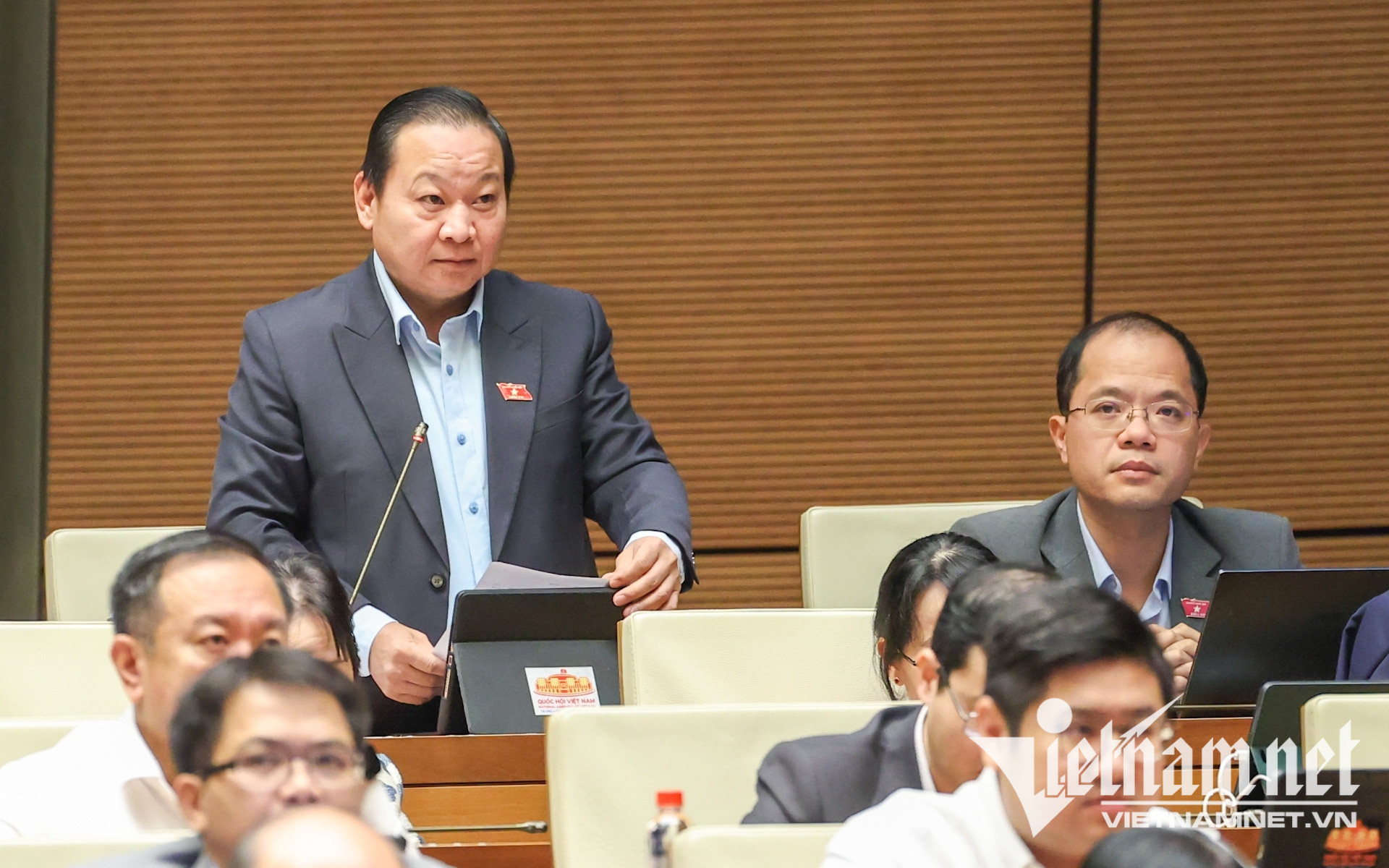
While many ethnic minority areas lack funding for essential infrastructure, some localities receiving investment capital fail to fully disburse their allocations, forcing authorities to reallocate or carry forward unused funds.
"Does responsibility lie with the agencies advising on capital allocation and management, or with those responsible for implementation?" Duong asked.
He also sought specific solutions and a timeline for addressing the situation in which areas needing investment lack funding while others cannot fully utilize their allocations.
The deputy emphasized the need to ensure public investment capital is allocated appropriately, sufficiently and effectively.
Responding, Finance Minister Ngo Van Tuan said the principal bottleneck remains project implementation.
He noted that public investment disbursement procedures have already been significantly improved, with further administrative simplification expected following amendments to and consolidation of the State Budget Law.
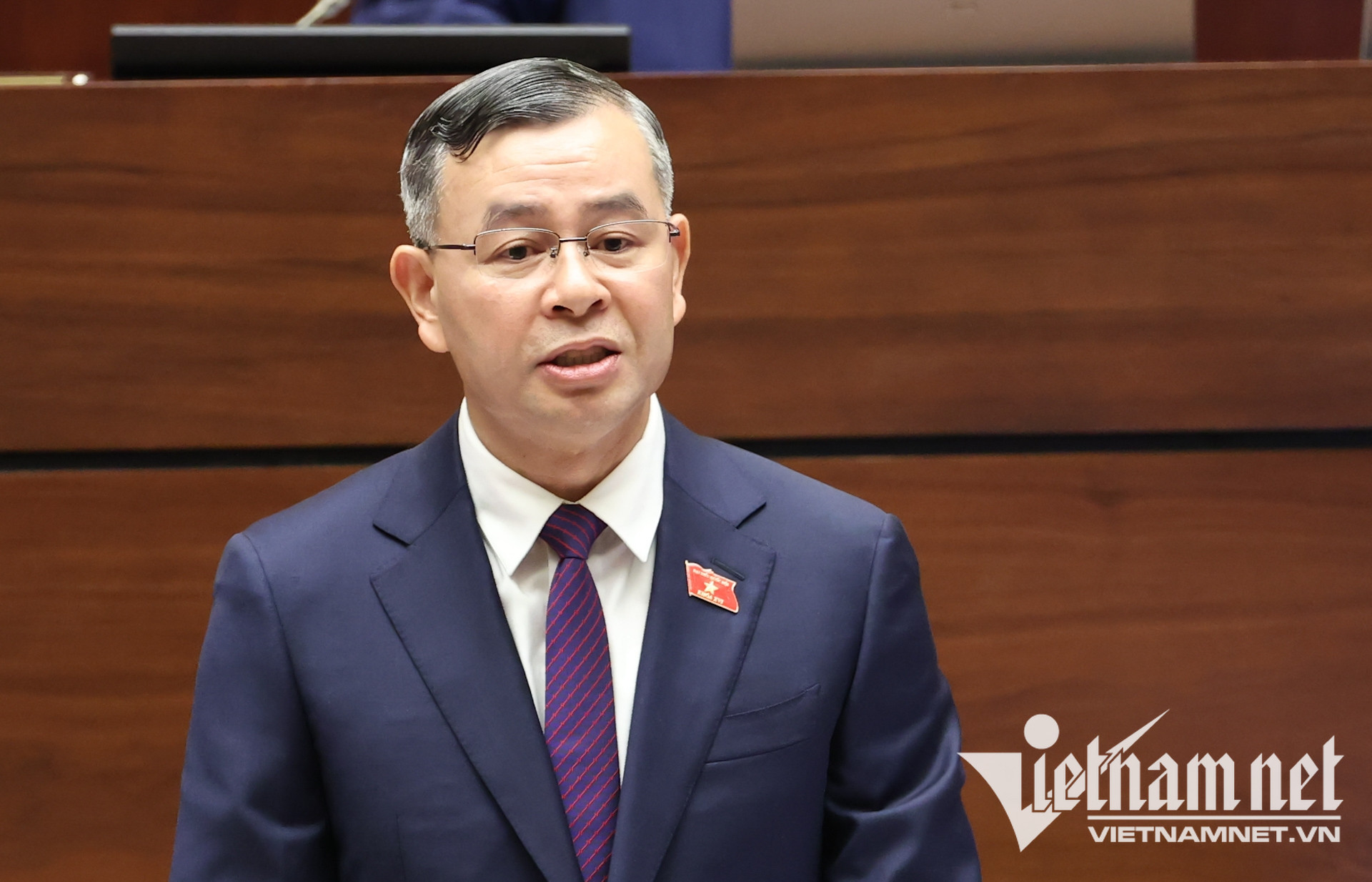
According to the minister, a public investment project typically passes through five stages: identifying and proposing projects; approving investment policy; making investment decisions and allocating capital; implementing the project; and conducting acceptance, financial settlement and commissioning.
"Based on our monitoring and management, the weakest link remains implementation, particularly project preparation and the detailed allocation of capital," Tuan said.
He explained that preparations for the 2026-2030 period began in July 2025, when a directive on budget planning required ministries, sectors and localities to update their project lists for 2026, 2027 and subsequent years.
These lists were to be developed in accordance with the action program implementing the resolution of the 14th National Party Congress.
The Ministry of Finance subsequently consolidated the proposals and submitted them to the government for presentation to the National Assembly.
Following budget approval, the government issued capital allocation decisions before November 30.
Ministries and local authorities were then required to allocate funds to individual projects based on established criteria and conditions.
Multiple subcontracting layers inflate costs and delay payments
Joining the debate, Ta Van Ha, Deputy Chairman of the National Assembly's Committee for Culture and Social Affairs, raised concerns about what he described as "multilevel construction."
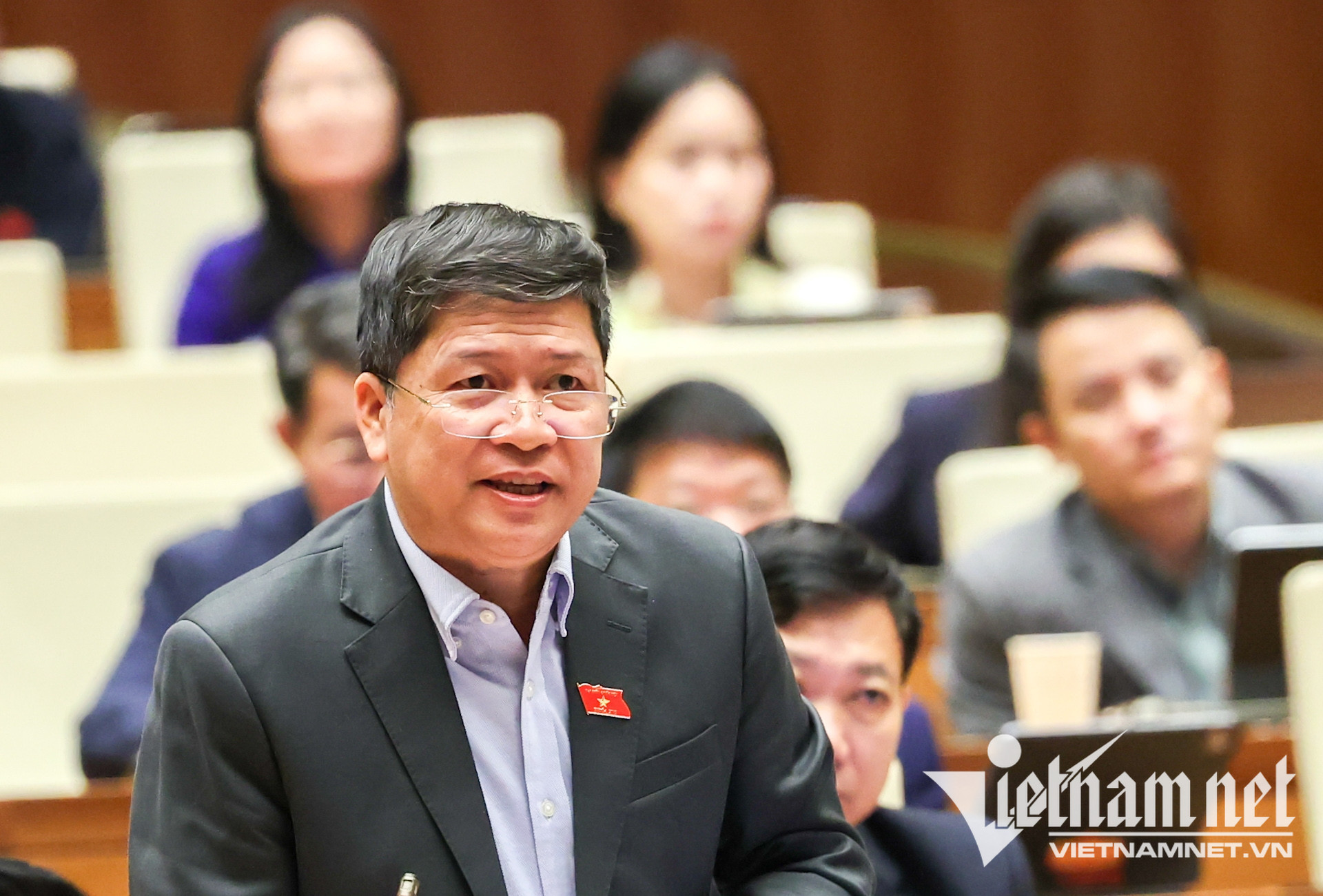
The practice involves contractors winning public tenders but passing the work through several intermediaries rather than carrying out construction themselves.
"At every intermediary level, a percentage is deducted. Ultimately, the contractor actually performing the work must bear all those costs, along with the risks of cost overruns and price fluctuations," Ha said.
He warned that this practice can lead to higher project costs, the improper retention of project funds, delayed payments and outstanding debts.
Responding, Finance Minister Tuan acknowledged that the issue identified by the deputy was among the causes of delays in public investment disbursement.
However, he emphasized that disbursement performance this year had improved considerably compared with 2025.
By October, public investment disbursement had reached approximately 74% of the assigned annual plan.
The minister said Prime Ministerial directives at regular government meetings had consistently emphasized accelerating public investment disbursement, with the goal of disbursing 100% of allocated capital this year.
He also pointed to several objective factors affecting implementation.
These included the first year of a new investment planning cycle and a substantial increase in allocated capital, which was 22% higher than the previous year's level.
Nevertheless, Tuan acknowledged that subjective factors remained significant, including the subcontracting practices raised by Ha.
He said project owners are responsible for closely monitoring and supervising contractors throughout the bidding and implementation processes.
They must ensure that contractors fulfill their obligations under the contracts signed between the parties.
The finance minister called on ministries, local authorities and relevant agencies to strengthen oversight of construction contracts and project execution.
Other major causes of delayed disbursement include slow land clearance and site handover, as well as rising labor and construction material costs.
Despite these challenges, Tuan expressed confidence that Vietnam would achieve its full-year public investment disbursement target through coordinated efforts across the political system.
Construction minister calls for tighter bidding regulations
Addressing the same concerns, Construction Minister Tran Hong Minh acknowledged that the practice of transferring contracts to other contractors after winning a tender presents a difficult challenge.
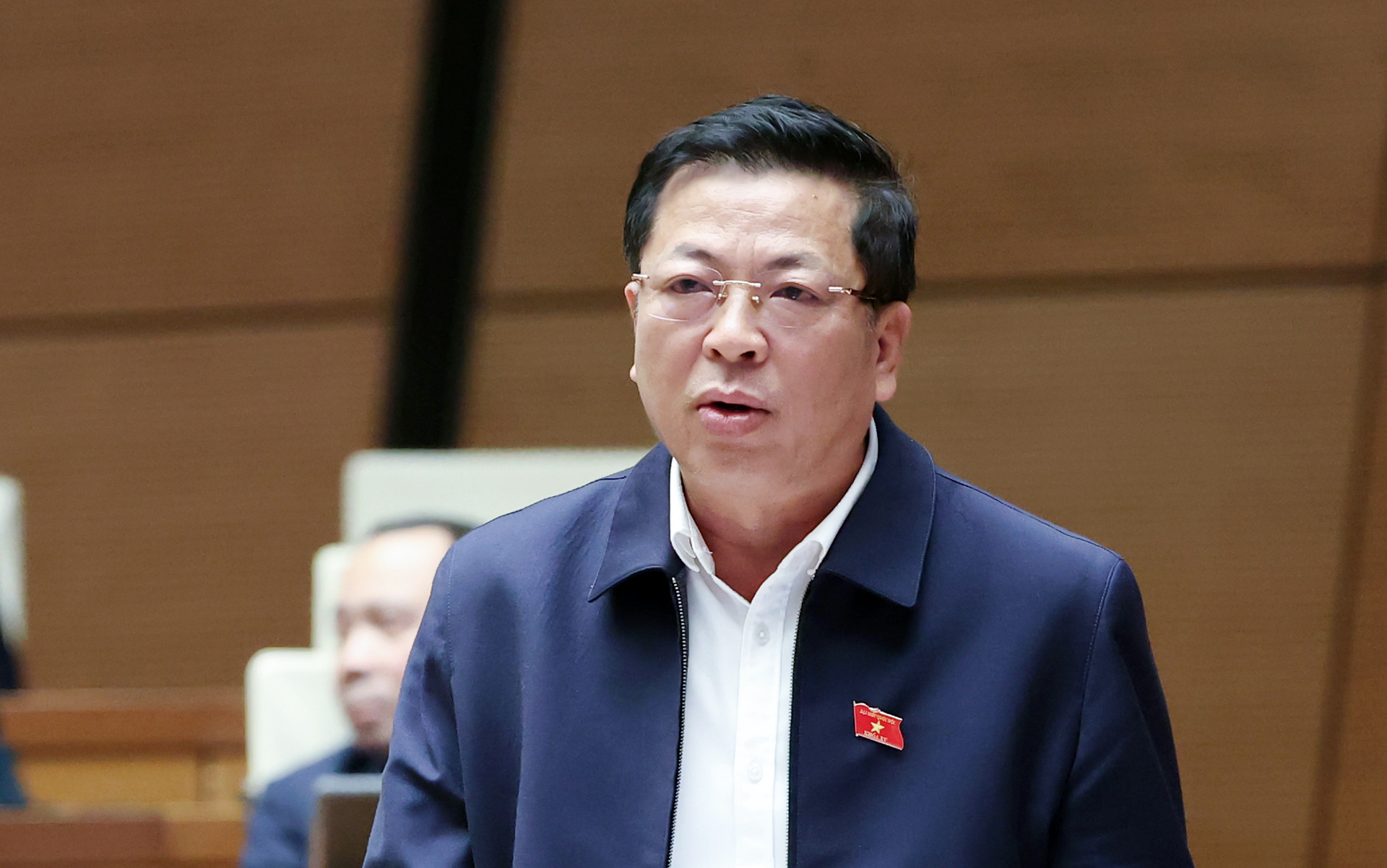
He said project owners also bear responsibility for preventing violations by properly supervising construction progress and quality, particularly through inspections of contractors carrying out the work.
According to Minh, stronger oversight is necessary to ensure that the companies responsible for construction comply with contractual and regulatory requirements.
The minister said the Ministry of Construction would participate in drafting implementing regulations as part of the process of amending the Law on Bidding.
The objective is to strengthen controls over bidding procedures, ensure transparency and objectivity, and prevent inappropriate subcontracting arrangements.
Thu Hang

