 Vietnamnet.vn

 Podcast


Speaking on the morning of October 30, following a National Assembly debate on the draft revised Real Estate Business Law, Minister of Construction Tran Hong Minh addressed lawmakers' concerns over property deposits, speculative trading and transparency in the housing market.
Lawmakers call for restrictions on speculative trading of unfinished homes
National Assembly deputy Le Thanh Hoan, representing Thanh Hoa Province, warned that Vietnam's real estate market has been facing an increasingly dangerous trend: the excessive financialization of property, turning housing from a basic necessity and a place to live into a vehicle for speculation and short-term profit.
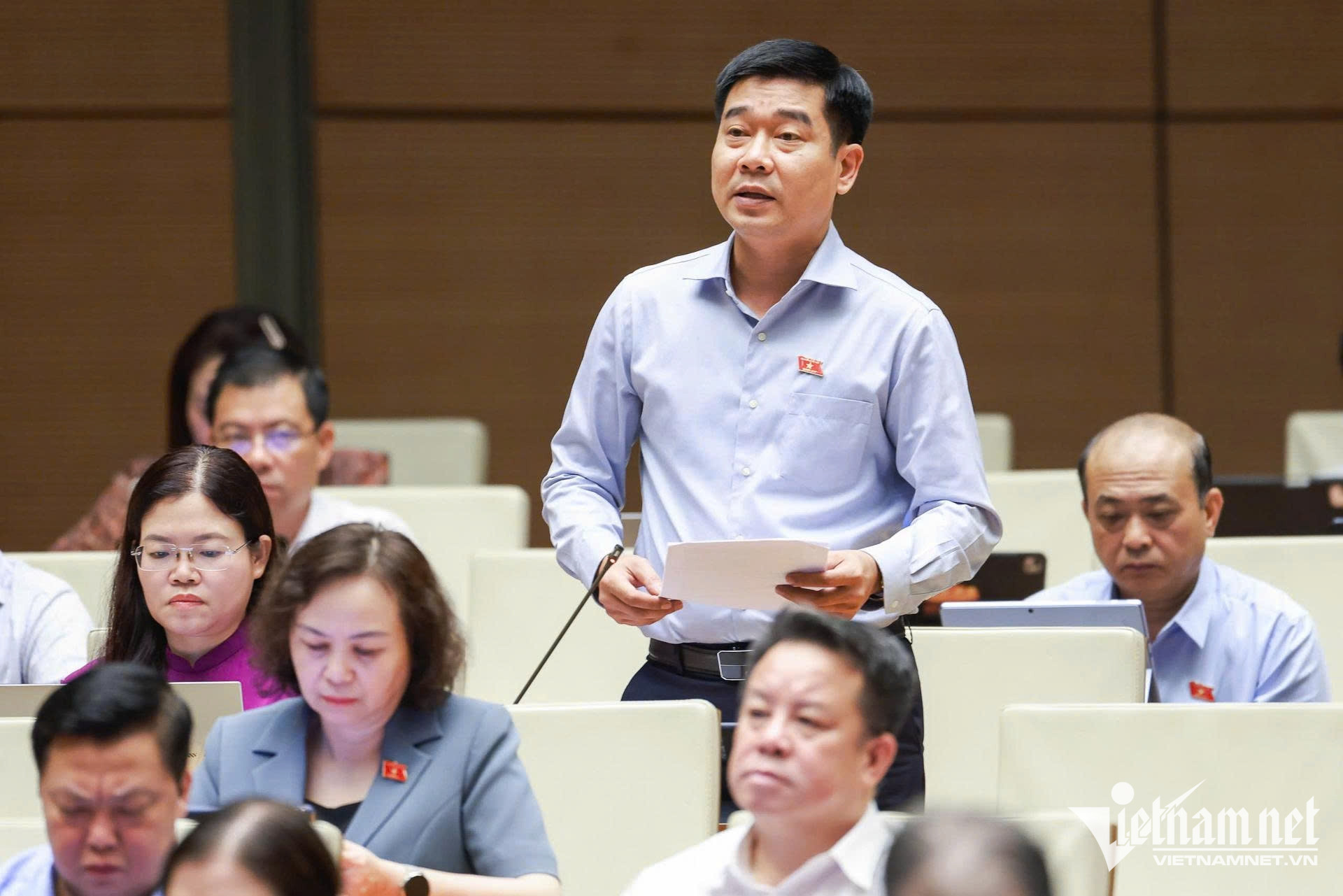
He attributed the problem partly to existing regulations allowing buyers to transfer contracts for homes under construction before submitting applications for ownership certificates. The revised draft law would continue to permit such transfers.
Hoan argued that when a building has not yet been completed, inspected or handed over, what changes hands is not a physical home but a contractual position, including all the rights and obligations transferred between the original buyer and the subsequent purchaser.
According to the lawmaker, allowing these contractual rights to be freely traded effectively turns home purchase agreements into a form of securitized financial instrument. Investors can buy and sell the right to acquire a property, or a promise of future ownership, without any actual transfer of the property itself.
He said the mechanism encourages highly leveraged speculation. Initial buyers need only pay a deposit or an early installment to secure a unit. When market prices rise, they can quickly transfer their contracts to another buyer and pocket the difference.
Another consequence, Hoan warned, is artificial price inflation that increasingly excludes genuine homebuyers from the market.
When contracts pass through multiple intermediaries, each transaction adds premiums and brokerage fees. By the time an apartment is completed and handed over, its price may have risen by an additional one to two times its original value.
People buying homes to live in are consequently pushed further out of the market, unable to access original developer prices and forced to bear the inflated costs generated by speculative trading.
Hoan therefore proposed prohibiting the transfer of purchase contracts for homes under construction. He also urged lawmakers to consider a phased policy under which residential properties could only be sold after construction is completed.
Deputy To Ai Vang, representing Can Tho City, supported the proposed maximum deposit of 5% for properties under construction.
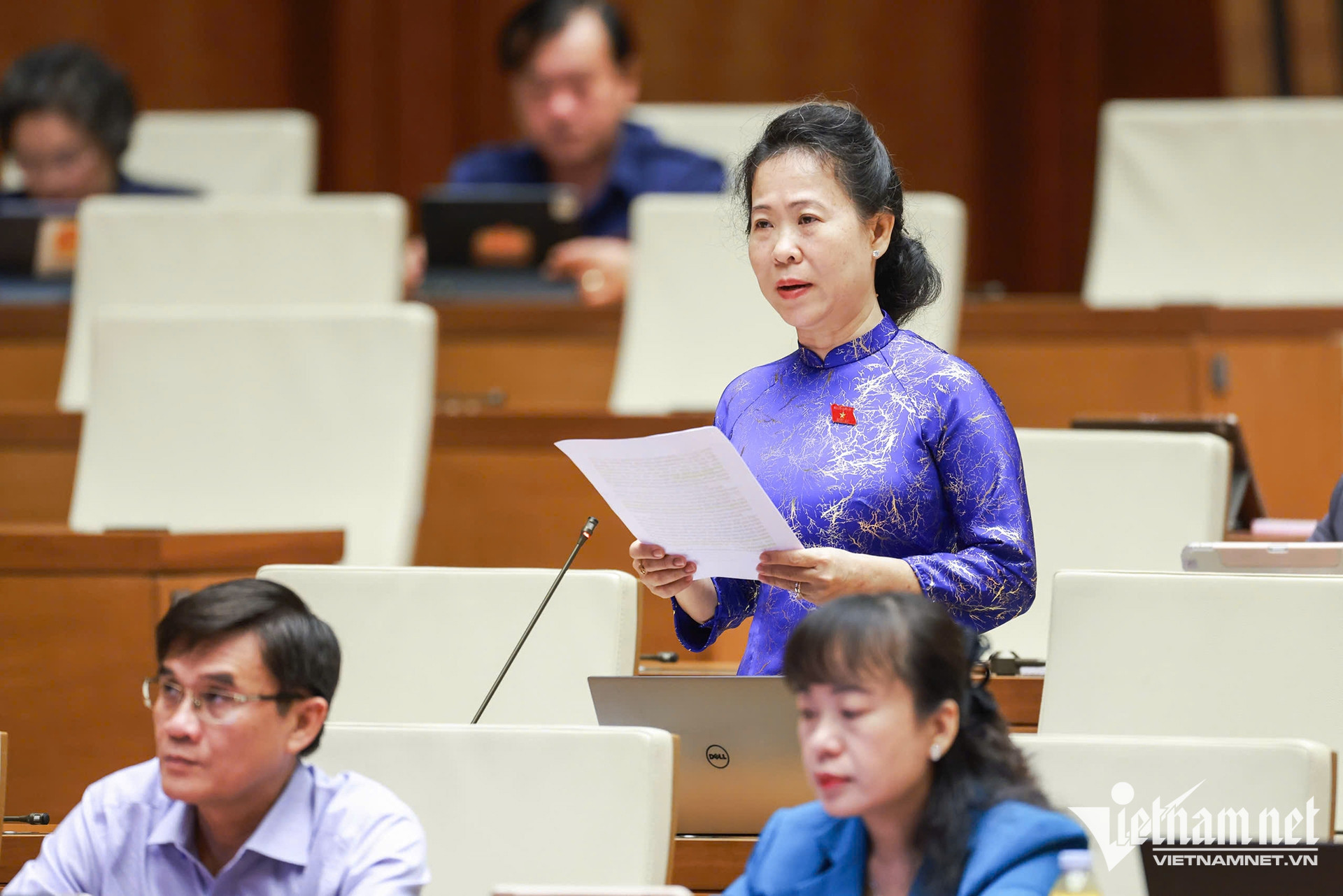
However, she recommended requiring developers to place these deposits in a restricted bank account dedicated to the project, preventing them from withdrawing the funds until an official sale and purchase agreement is signed.
Regarding the provision allowing buyers to withhold the final 5% of the purchase price until an ownership certificate is issued, Vang suggested greater flexibility when delays result from circumstances beyond developers' control, particularly administrative delays by state agencies.
In such cases, she proposed allowing developers to provide an unconditional bank guarantee in place of the retained payment, helping release funds and ease cash-flow pressures.
Abandoned developments and artificial price surges linked to lack of transparency
Deputy Hoang Van Nghia, representing Quang Ngai Province, highlighted the enormous waste associated with stalled real estate developments across Vietnam.
He said thousands of hectares of land and hundreds of projects have remained unfinished or abandoned, with some developments becoming so-called "ghost urban areas" or "ghost cities."
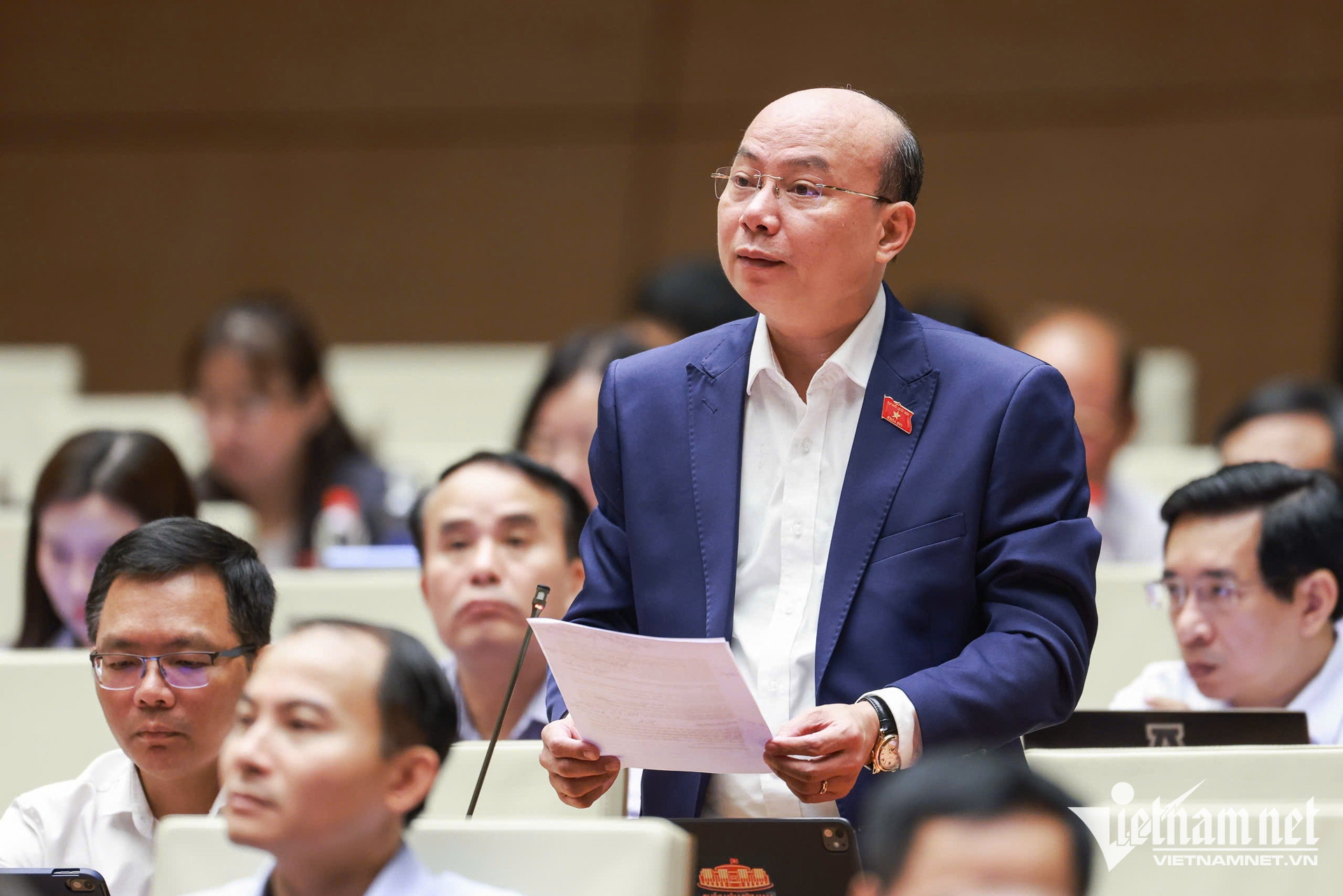
In one major northern city alone, 712 projects covering more than 11,400 hectares of land have fallen behind schedule, he said. Many other provinces and cities also have hundreds of projects that have been suspended or left idle.
"Major cases involving Van Thinh Phat and Tan Hoang Minh have further complicated matters, leaving thousands of assets frozen and unable to be utilized. Meanwhile, the state is losing budget revenue and people are facing a severe shortage of housing supply," Nghia said.
He pointed to what he described as a contradiction in the draft legislation: developers would still be required to fulfill all financial obligations relating to land before being permitted to transfer a project.
This requirement, he argued, creates a vicious cycle. Financially distressed developers lack the money to meet their land-related obligations, preventing them from transferring stalled projects to other investors. As a result, valuable land remains unused, developments become abandoned urban areas and potential state revenue remains tied up.
Nghia proposed revising the draft law to allow financially capable investors acquiring such projects to inherit outstanding land-related financial obligations.
Alternatively, he suggested allowing the amount owed to the state to be deducted directly from the project transfer proceeds and paid into the state budget before ownership is transferred.
The lawmaker also argued that Vietnam's property market cannot be effectively managed through quarterly or annual paper-based reports alone.
He warned that abandoned developments and artificially inflated property prices thrive in an environment where information is insufficiently transparent.
Construction minister pledges tougher action against 'ghost' projects
Responding to lawmakers at the end of the debate, Minister of Construction Tran Hong Minh said the draft law already contains comprehensive provisions governing deposits for real estate projects.
He emphasized that developers are strictly prohibited from collecting deposits for projects that have not met the legally required conditions.
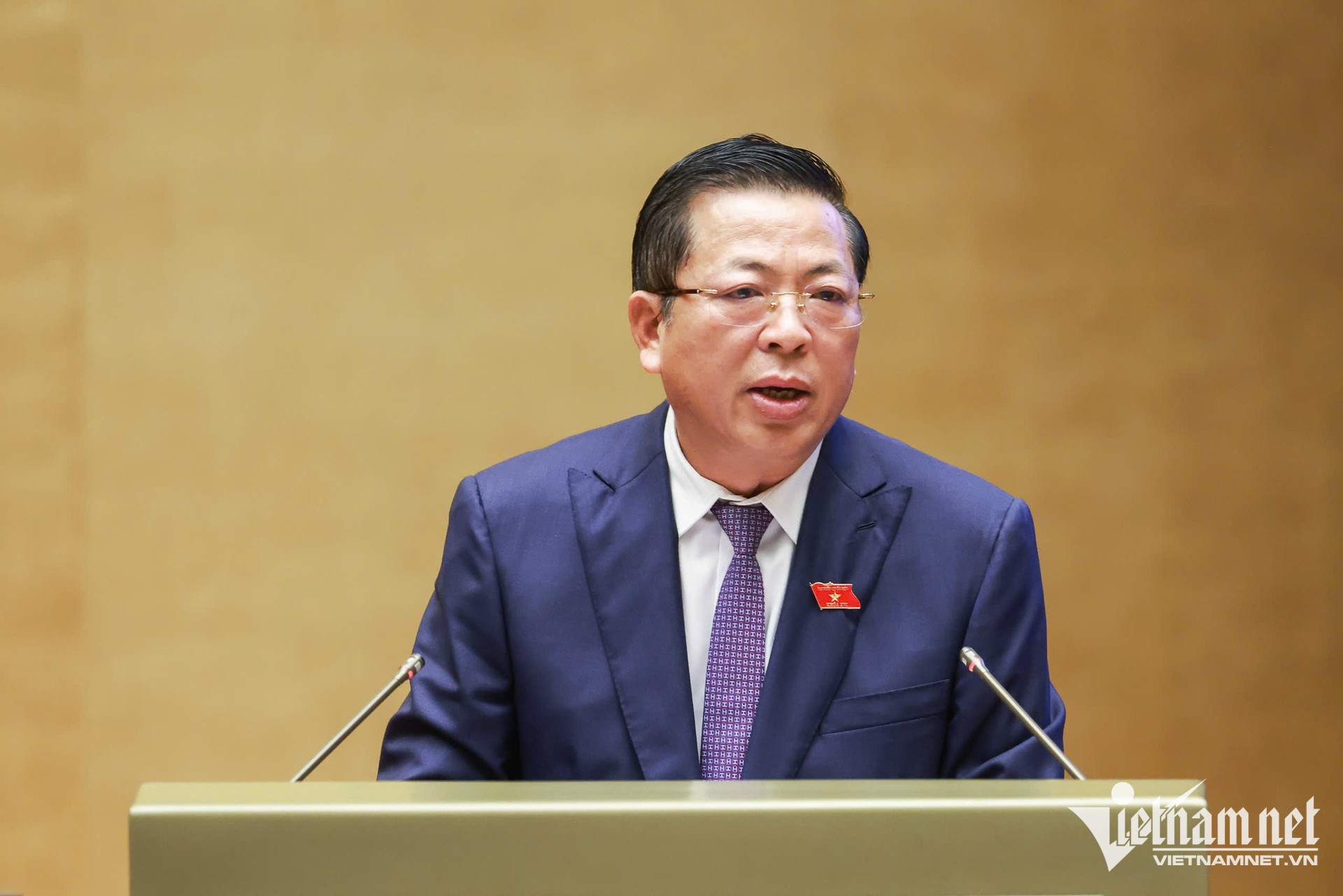
According to the minister, developers must complete numerous procedures before reaching the stage at which they are permitted to accept deposits from prospective buyers.
Investors must comply rigorously with these requirements before they can legally collect such payments.
"The deposits are guaranteed by banks. A transparent and responsible developer must carry a project through from beginning to end, complete inspections, hand over the property for use and promptly arrange land-use rights certificates for buyers in order to receive the remaining payments," Minh stressed.
The minister also acknowledged concerns raised by National Assembly deputies about so-called "ghost" projects and developments marketed with vague or misleading information, which have caused significant problems for buyers and the wider property market.
He said the ministry would take these concerns into account and strengthen oversight to ensure that individuals and businesses can conduct real estate transactions with greater confidence and fewer obstacles.
Addressing the proposed information system for housing and the real estate market, Minh said the draft law requires the development of a comprehensive property database.
This would include electronic identification codes for different types of real estate, information on professional certification for real estate brokers, and mechanisms for connecting and sharing information among specialized databases covering land administration, taxation and population records.
Tran Thuong

