 Vietnamnet.vn

 Podcast



Officials say monitoring mechanisms and stronger competition could prevent major suppliers from dominating the market.
At a regular press briefing on October 7, the Ministry of Industry and Trade addressed questions about its proposal to allow fuel businesses to determine their own retail prices, including concerns over how to prevent fuel prices from rising quickly but falling slowly.
Nguyen Thuy Hien, Deputy Director of the Domestic Market Management and Development Department under the ministry, said the draft decree on petroleum trading had been developed over the past two years and was undergoing broad public consultation.

She noted that the regulations would have far-reaching implications for people's daily lives, business and production activities, and the broader economy.
According to Hien, the draft is designed to bring fuel pricing closer to market mechanisms while maintaining state oversight.
Under the proposal, businesses would be allowed to determine their own fuel selling prices, provided they follow a pricing formula prescribed by the government.
When setting or adjusting prices, companies would be required to declare their pricing formulas, disclose the components that make up their selling prices and explain the factors behind any changes.
These declarations would be submitted through a nationwide fuel pricing database developed by the Ministry of Industry and Trade.
The system would feature an alert mechanism to flag unusual price movements, allowing the ministry, provincial Departments of Industry and Trade and market surveillance authorities to monitor and inspect companies whenever they adjust fuel prices.
"The alert system will help regulators promptly identify cases where businesses declare price changes but cannot adequately explain the factors behind increases or decreases," Hien said.
Regarding the frequency and scale of price adjustments, Hien said the government would no longer manage fuel prices on a weekly basis as it does now.
Instead, selling prices would reflect businesses' actual operating costs and the fuel shipments they purchase and sell.
Companies would have greater flexibility to adjust prices according to their business plans, but every adjustment would need a legitimate basis.
For example, whenever a component of the pricing formula changes, such as input costs, profit margins or standardized operating costs, businesses must be able to explain the reasons.
Standardized costs would remain a government-regulated component that companies must incorporate into their pricing formulas.
Businesses would also be required to take government price stabilization measures into account when adjusting their selling prices.
"These are the tools we are developing to maintain oversight as businesses are given the authority to determine their own fuel prices," Hien said.
Addressing concerns that companies could simply buy fuel at higher prices and sell it at higher prices, or buy at lower prices and sell it at lower prices, without ensuring retail prices accurately reflect market movements, Hien said it would be impractical to require prices to change with every imported shipment.
Fuel is imported and stored in warehouses before being sold. A company may receive a new shipment at a different purchase price while still holding unsold inventory from an earlier shipment.
As different shipments are stored and sold alongside one another, determining a precise retail price corresponding to each individual shipment becomes extremely difficult.
Requiring retail prices to fluctuate according to every shipment would therefore be difficult to implement in practice.
"Throughout the period that a business holds its inventory, it does not mean selling prices must change with every shipment," she explained.
Hien emphasized that Vietnam's fuel pricing mechanism should become more market-oriented, giving businesses greater autonomy and responsibility for their pricing decisions while requiring them to comply with principles of transparency, market responsiveness and competition.
"The ultimate objective of fuel price management is to ensure that businesses' selling prices closely follow market signals while maintaining supply stability and national energy security," she said.
Major fuel suppliers unlikely to dominate market prices
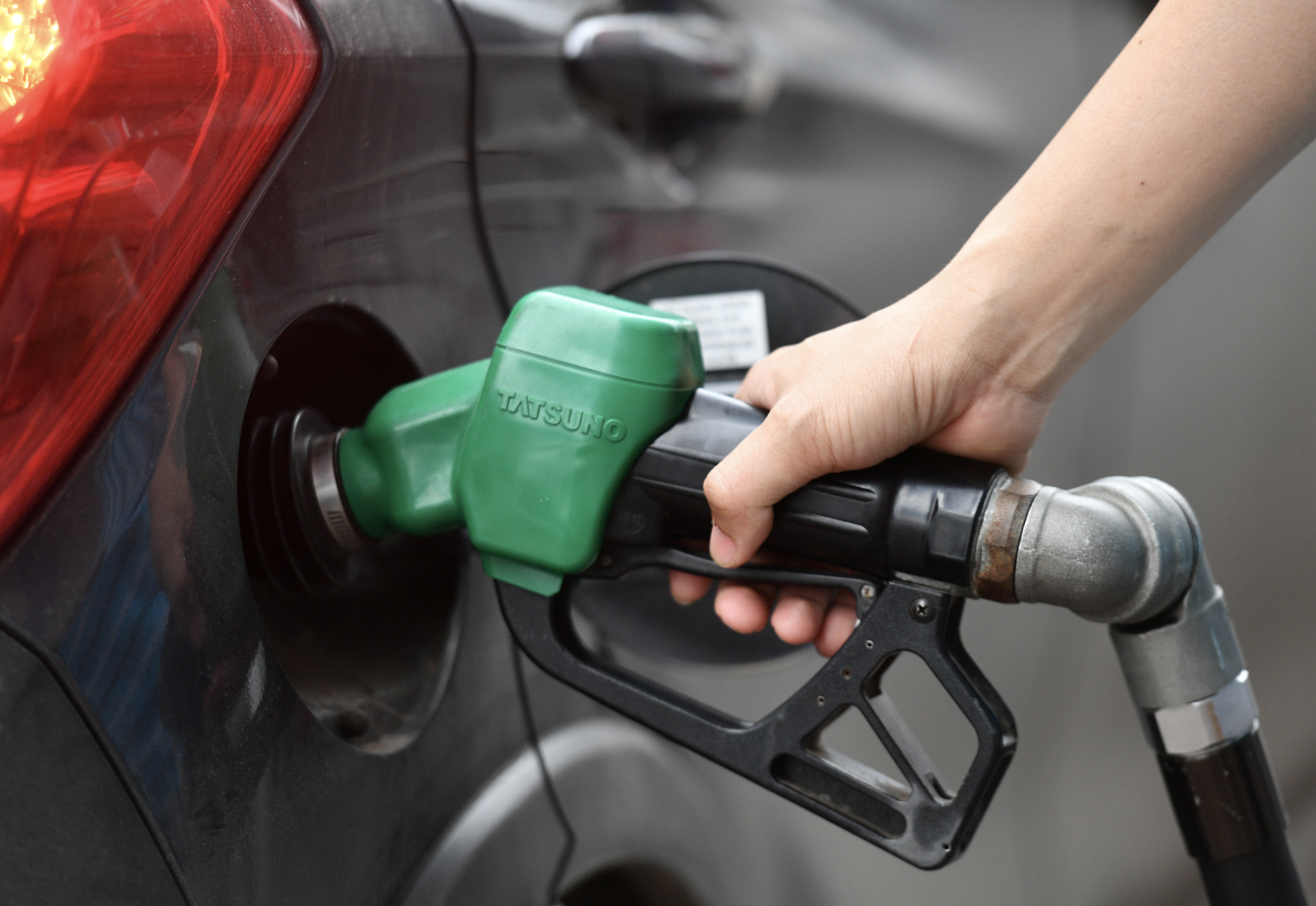
Responding to concerns that major fuel suppliers could gain excessive pricing power and put retailers at a disadvantage, Hien said the proposal should be considered in its entirety.
Under the draft, pricing autonomy would not be limited to major fuel importers and wholesalers. Independent fuel distributors would also be entitled to determine their own selling prices.
This arrangement, she argued, would create price competition between major fuel suppliers and independent distributors.
The draft decree also aims to streamline Vietnam's fuel distribution system by reducing the number of intermediary tiers from three to two.
According to estimates by the drafting agency, if existing businesses transition to the proposed structure, the market could have approximately 10,500 fuel distributors.
"Distributors will be able to determine their own selling prices, creating additional competition in the market," Hien said.
"Under these conditions, major fuel suppliers will also have to compete with distributors, particularly in remote and disadvantaged areas where local distributors have an inherent advantage because of their established presence."
She therefore considered it unlikely that major fuel suppliers would be able to exercise complete control over selling prices across the market.
Hien also addressed concerns that fuel businesses might collude to push up prices.
She said the drafting agency had considered feedback received during the consultation process and incorporated provisions dealing with anti-competitive agreements and unfair competition in accordance with Vietnam's Competition Law.
These provisions have been included in the draft decree for submission to the government.
Tam An
.svg)
