 Vietnamnet.vn

 Podcast



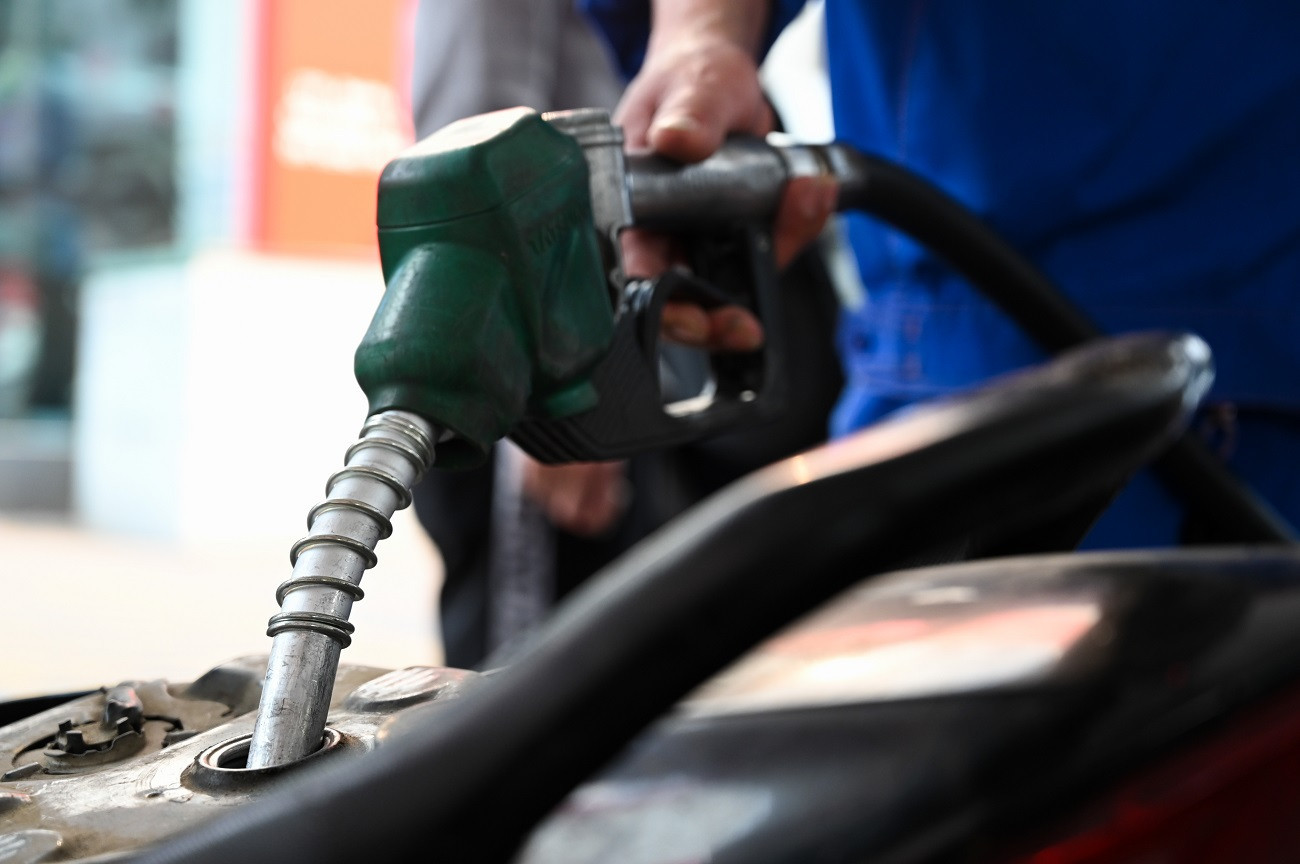
Giving businesses pricing power could spur competition
Under the 14th draft of a new decree on petroleum trading, major fuel wholesalers and independent distributors would be allowed to determine their own wholesale and retail prices in accordance with pricing laws and market mechanisms.
Under the draft, fuel prices would comprise the purchase price, sourcing costs, standard business costs, profits and taxes.
Purchase prices and sourcing costs would be determined by businesses based on their actual operations. Initial standard business costs would be based on levels announced by the Ministry of Industry and Trade, then adjusted annually in line with the Consumer Price Index, or CPI, and reviewed every three years.
Notably, profits would also be determined by major fuel wholesalers based on their actual business operations.
At a recent conference seeking feedback on the draft decree, Tran Huu Linh, head of the Agency for Domestic Market Surveillance and Development under the Ministry of Industry and Trade, said allowing businesses to set their own prices would enable companies with lower costs, better sourcing and more efficient operations to cut prices and attract customers.
Fuel stations could then post different prices, creating greater market competition for consumers.
Some businesses and experts said the new mechanism would allow fuel prices to respond more quickly to market movements. Consumers would have more options to compare prices and choose stations offering suitable rates, while avoiding the shock of accumulated price increases being imposed all at once.
Commenting on the proposal to let businesses set fuel prices, economist Ngo Tri Long said the mechanism could foster more genuine price competition if the market provided adequate competitive conditions.
Consumers currently tend to see fuel stations adjusting prices at almost the same time and to identical levels. In a genuinely competitive market, companies with lower costs, better management and stronger supply arrangements should be able to charge less or offer better services, he said.
Concerns over pricing power concentrated among major wholesalers
One concern is that major fuel wholesalers could dominate market pricing because they would be able to determine both prices and profits. Under the conditions set out in the draft, only 14-15 major wholesalers would remain in the market if the decree took effect and was immediately applied.
Nguyen Xuan Thang, director of Hai Au Phat Petroleum Co., Ltd., said the draft did not clearly specify how standard business costs and profits would be allocated among major wholesalers, distributors and retailers.
Of particular concern to distributors such as Thang is the draft provision allowing major wholesalers to determine the profit component.
According to Thang, if major wholesalers are allowed to determine wholesale prices and allocate profits to subsequent stages of the distribution chain, discounts offered to retail stations could be driven extremely low, potentially even to zero.
Distributors could then be left without sufficient funds to cover transportation, labor and the costs of keeping their fuel stations operating.
If the profit component remains in the pricing formula, Thang said the draft should stipulate that it be determined by each petroleum trader rather than granting major wholesalers full authority over it.
Economist Ngo Tri Long also cautioned that granting businesses pricing power would not automatically create competition.
If the market remains highly concentrated, with large companies dominating supply while smaller traders depend on a limited number of major wholesalers, liberalizing prices could simply transfer pricing power from the state to a handful of large businesses, he said. Genuine competition would not necessarily emerge.
For the self-pricing mechanism to foster genuine competition, retail prices should first be made transparent at individual fuel stations and on digital platforms, allowing consumers to compare them easily.
Competition authorities should also monitor practices such as price-fixing agreements, market allocation, the imposition of unreasonable commercial conditions and abuse of dominant market positions.
Distributors and retailers should also have access to multiple sources of supply. If they remain completely dependent on a single major wholesaler, formally granting them pricing autonomy is unlikely to generate genuine competition.
Another proposed solution is to establish a national fuel price database.
With tens of thousands of retail outlets, it would be difficult for authorities to conduct effective oversight by relying solely on inspections of individual price declaration reports. Big data should instead be used to promptly identify cases in which businesses raise prices abnormally.
Nguyen Thuong Lang, a senior lecturer at the Institute of International Trade and Economics at the National Economics University, said petroleum prices fluctuate rapidly and are directly affected by global markets. If the domestic market operates entirely according to market forces, Vietnamese fuel prices would be correspondingly affected.
From the perspective of price stabilization and responding to energy shocks, Lang said the state should therefore retain a certain role, although it could shift from direct intervention toward the use of market-based instruments.
Digitizing and disclosing data on import prices, retail prices, invoices and inventories would improve authorities' ability to inspect and cross-check information, he said.
Lang also proposed studying the development of a platform that would disclose information on prices, supply and inventories for consumers to monitor, thereby reducing the risk of market manipulation.
The most important tool, he said, is data transparency. Import prices, retail prices, input and output invoices, and inventory levels should all be digitized to facilitate inspections and cross-checking.
"We need a mechanism for regularly disclosing market information and could even consider developing a platform or exchange that publishes information on prices, supply and inventory levels for consumers to monitor," Lang said.
When information is publicly available and transparent, the potential for market manipulation will decline, he added.
Tam An
.svg)
