 Vietnamnet.vn

 Podcast



The remarks were made during a working session on June 15 with the Ministry of Education and Training and relevant agencies to review preparations for the 2026-2027 academic year and assess the implementation of Politburo Resolution 71 on breakthrough development in education and training.
Pilot governance models for public and private schools
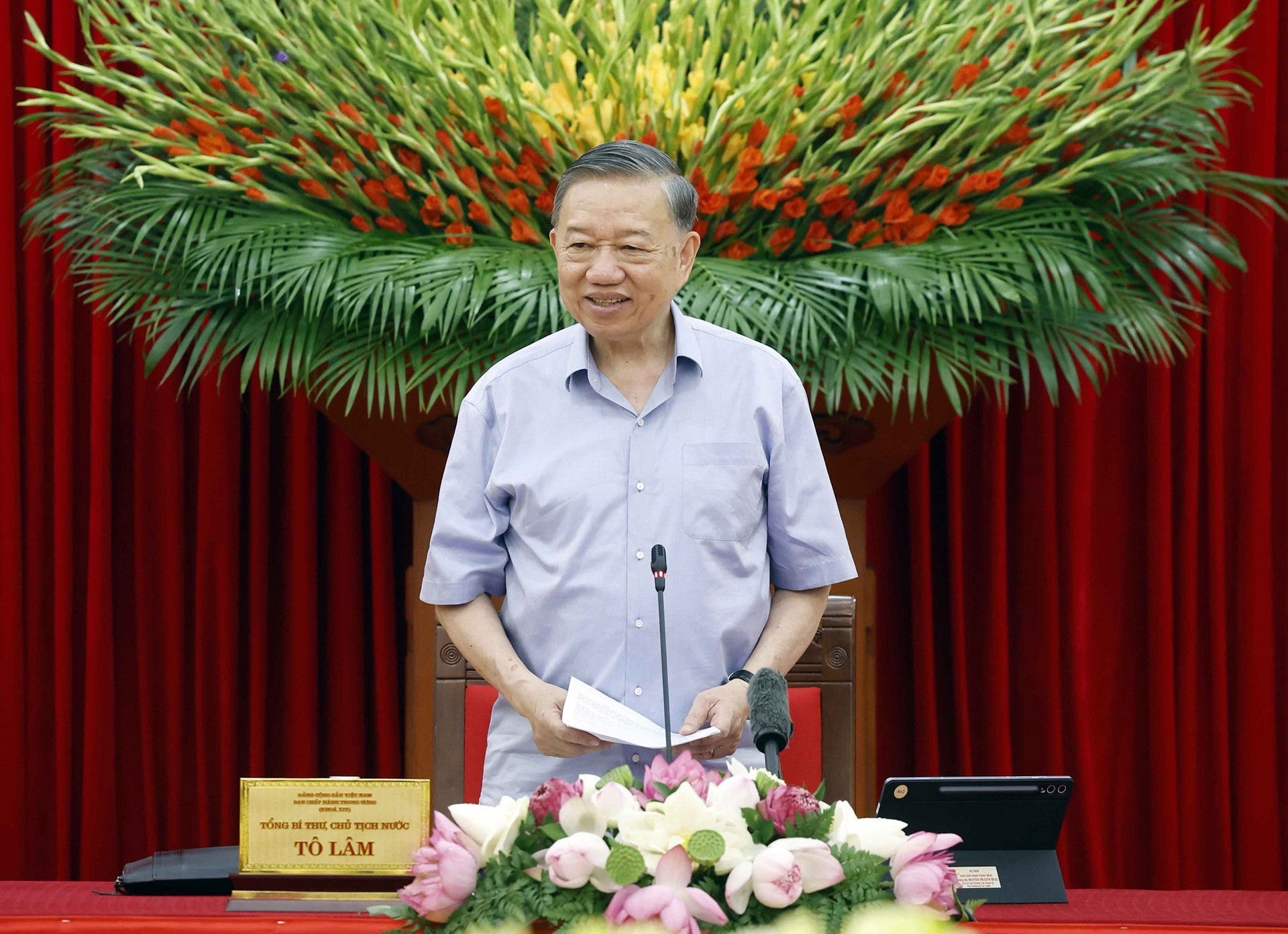
Addressing the meeting, To Lam emphasized that preparations for the new academic year must ensure adequate facilities, schools and classrooms while upholding the principle that "where there are students, there must be teachers."
He called for research into pilot governance models that would allow public and private schools within the same locality to operate under shared management frameworks. Depending on local conditions, schools could be organized across multiple campuses.
The Party chief also stressed that no student should be denied access to education because of economic hardship and urged authorities to establish classroom standards appropriate to different regions and local conditions.
He directed local governments to integrate school planning into urban development and new residential projects, ensuring educational infrastructure grows in line with population expansion. Authorities were also instructed to address land-use and investment bottlenecks affecting school construction in rapidly growing urban areas, industrial zones, border regions and disadvantaged communities.
Alongside special mechanisms to attract leading scientists and experts to teaching and research, To Lam suggested creating incentives for outstanding graduates and high-performing teachers in major cities to work in rural and underserved areas.
He also highlighted the need to address school violence, strengthen moral education and promote healthy lifestyles among students. These issues, he said, should be among the central priorities of the 2026-2027 academic year.
Educational institutions should foster environments that are disciplined, humane and supportive, focusing primarily on prevention, guidance and student support while maintaining strict penalties for violations. He also called for tighter oversight of educational expenses, private tutoring practices and achievement-driven pressures within schools.
The government was urged to swiftly adopt policies allowing surplus administrative buildings and unused state facilities to be converted into schools and healthcare centers rather than being left vacant and deteriorating while communities continue to face shortages of educational and medical infrastructure.
Universities must lead innovation and strategic development
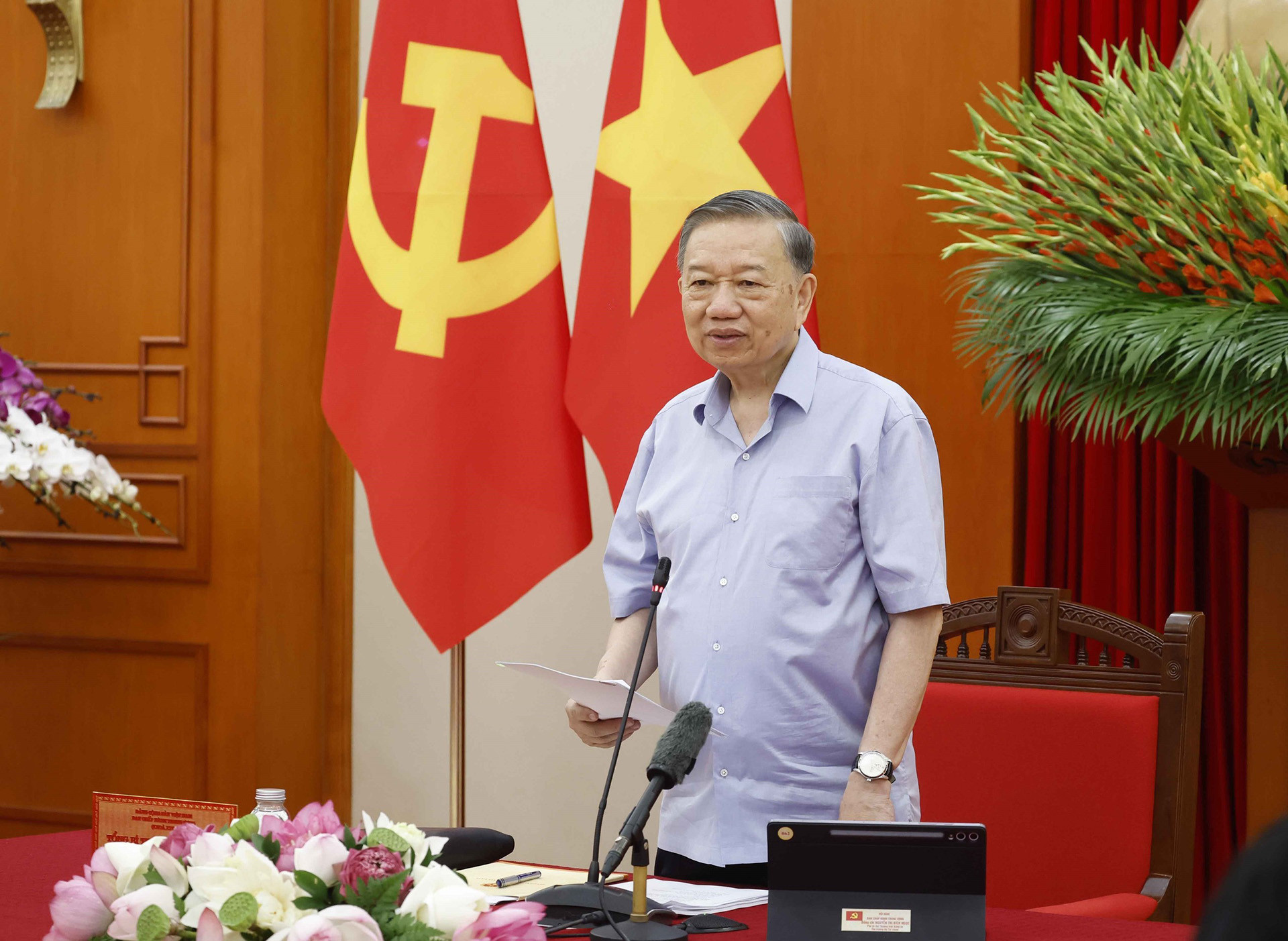
Looking ahead, To Lam said Vietnam must move from a mindset of "education management" to one of "education development governance."
He emphasized that education should play a leading role in preparing high-quality human resources, skilled workers, scientists, innovators and experts in strategic fields such as digital transformation, artificial intelligence and advanced technologies.
Education and training institutions, he said, must anticipate emerging professions while adapting to occupations likely to disappear as technology continues to reshape the labor market.
The Party chief also instructed authorities to review outdated regulations and administrative requirements, reducing unnecessary paperwork and reporting obligations so teachers can devote more time to professional development and student learning.
He called for the creation of a unified and continuously updated national education database capable of identifying teacher shortages, classroom deficits, overcrowded schools, students at risk of dropping out and inefficiencies in education spending.
To Lam stressed the importance of achieving substantive progress in vocational education and student career pathways while accelerating reforms in higher education.
"Universities must be renewed to become elite institutions and centers of excellence," he said.
Higher education institutions, he added, should take the lead in training high-quality talent, conducting scientific research, driving innovation and developing strategic technologies.
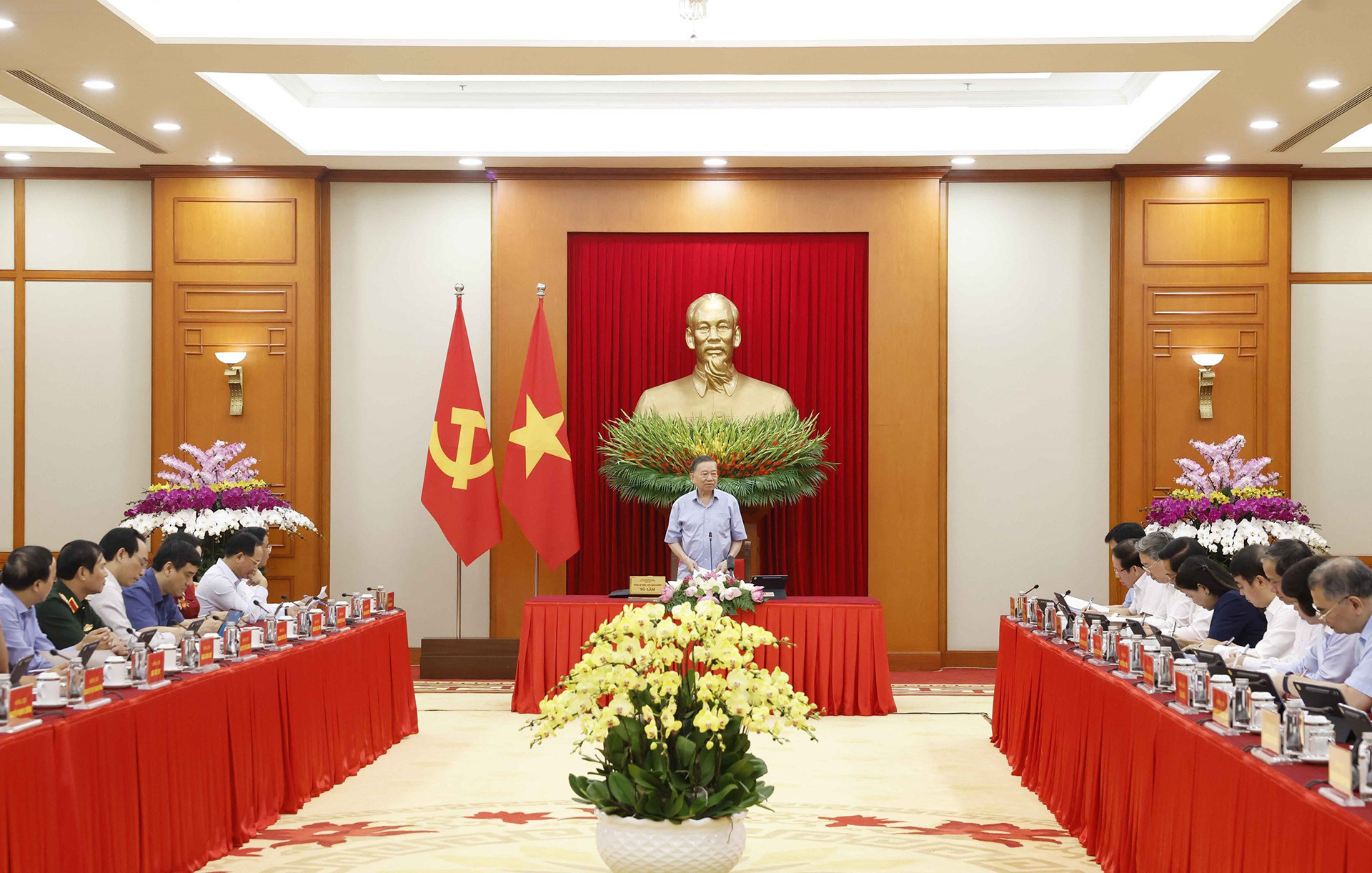
University autonomy should encompass financial independence, tuition-setting authority, academic freedom, organizational management, personnel decisions, international cooperation and research activities. However, autonomy must be accompanied by accountability, quality accreditation, transparent reporting and equal access to educational opportunities.
He also underscored the importance of strengthening links between universities, businesses, research institutes and local development needs.
At the same time, Vietnam should continue investing in fundamental sciences, social sciences and humanities to ensure technological progress is accompanied by human development, cultural advancement, institutional strengthening and the preservation of core values.
To Lam called for improvements to education financing mechanisms, emphasizing that spending on education should be viewed as a long-term development investment.
Increased funding, he said, must be allocated transparently, efficiently and with measurable outcomes. Priority should be given to urgent needs such as recruiting additional teachers, expanding school infrastructure, developing preschool and boarding facilities, strengthening digital infrastructure, advancing vocational education, supporting key universities and assisting disadvantaged students.
Every policy objective should be translated into specific tasks, budgets, deadlines and responsible agencies, he added.
Successful models should be recognized and replicated, while delays should be subject to review and corrective action.
"Any cases involving formality, wastefulness or misconduct must be handled strictly," To Lam said.
Tran Thuong
.svg)
