 Vietnamnet.vn

 Podcast


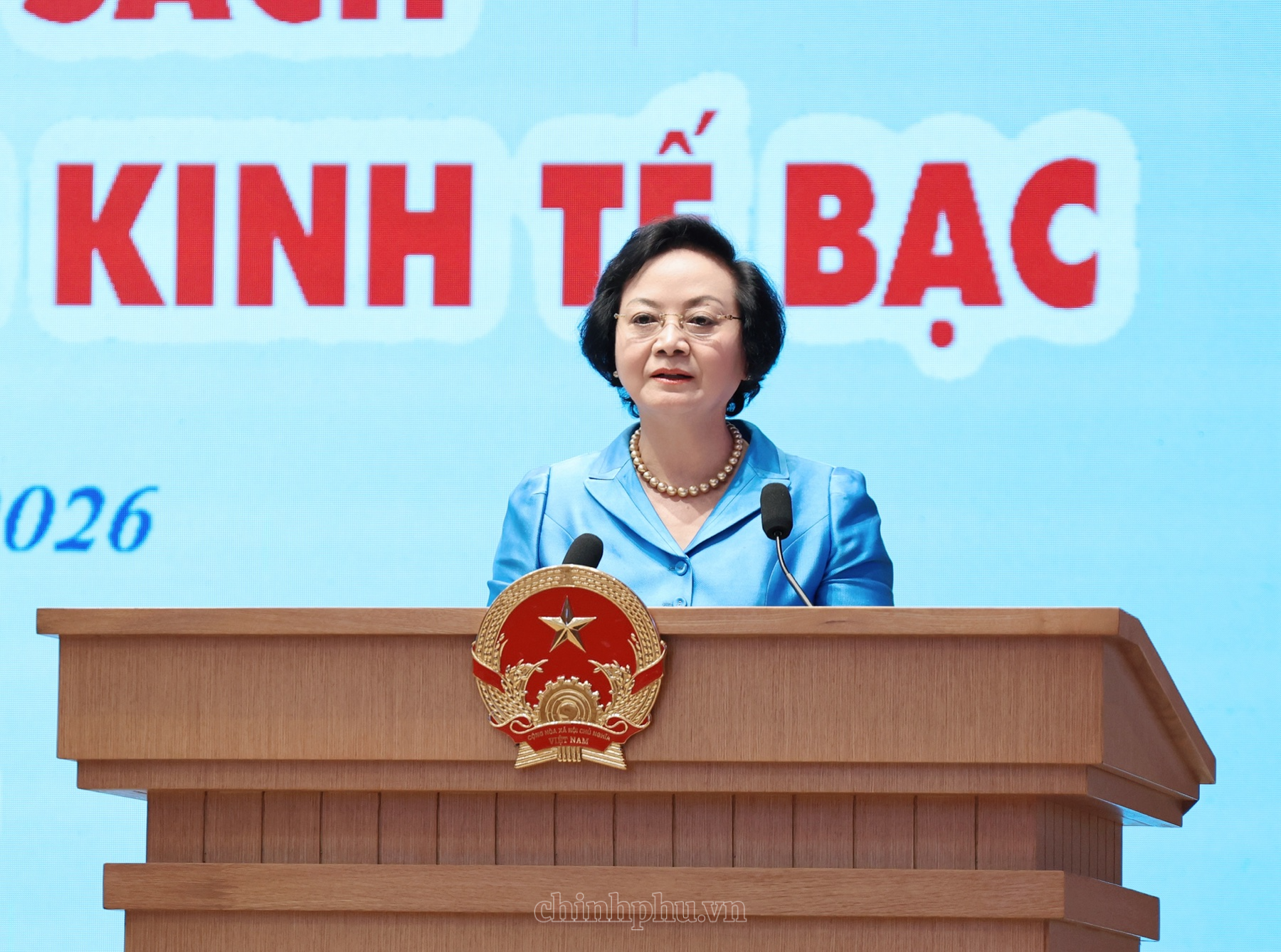
Vietnam is preparing major reforms to its salary and social insurance policies as the country seeks to adapt its labor market and social welfare system to rapid population aging, Deputy Prime Minister Pham Thi Thanh Tra said on November 16.
Speaking at the conclusion of a policy dialogue on developing Vietnam's silver economy ecosystem, Tra, who also chairs the National Committee on Older Persons, said the upcoming fifth plenum of the Party Central Committee would adopt a new resolution on salary policy reform and social insurance.
The resolution would provide a basis for a comprehensive revision of the Social Insurance Law, including provisions related to supporting health insurance, she said, according to the Government News Portal.
The planned reforms form part of broader efforts to strengthen social protection, make better use of the older workforce and develop economic opportunities arising from Vietnam's rapidly aging population.
Population aging presents challenges and economic opportunities
Tra described population aging as an inevitable trend that is advancing rapidly in Vietnam, creating significant challenges for the labor force, economic growth, social security and healthcare.
However, she emphasized that the demographic shift also presents substantial opportunities to unlock the potential, resources and spending power of older people.
Older citizens represent a valuable national resource, possessing knowledge, professional experience and life skills that enable them to continue contributing to their families, communities and society, she said.
The Deputy Prime Minister described the silver economy as a cross-sectoral socioeconomic ecosystem driven by older people's consumption needs, accumulated resources and capacity to contribute to economic development.
The ecosystem encompasses healthcare, housing, finance, insurance, culture, tourism, science and technology, and the labor market.
She stressed that silver economy development must balance economic growth with social welfare, ensuring social progress and equity while respecting Vietnam's traditional values of honoring and caring for older people.
"Ensuring the dignity and autonomy of older people is extremely important and necessary," Tra said.
She added that the success of the silver economy should be measured by tangible improvements in older people's health, quality of life, happiness, independence and ability to contribute to society.
The Politburo has assigned the Central Policy and Strategy Commission to lead the development of a national silver economy strategy through 2030, with a vision to 2045.
The Government will continue reviewing and improving legislation concerning older people, social insurance, health insurance, labor, investment, land, housing and other related sectors.
It also plans to address overlapping or inconsistent regulations to establish a more favorable legal framework for new products, services and business models serving an aging population.
Priority areas will include healthcare, rehabilitation, long-term care, age-friendly housing and infrastructure, cultural and tourism services, and assistive technologies.
Tra also called for integrated care models connecting healthcare facilities, nursing homes, families and communities to provide continuous support for older people.
Comprehensive revisions to social insurance and elderly care legislation
The Deputy Prime Minister said the Politburo would issue a separate resolution on developing Vietnam's silver economy ecosystem.
She instructed the Ministry of Health to accelerate preparations for a comprehensive revision of the Law on Older Persons, with the revised legislation targeted for adoption in the second quarter of 2028.
The new law should establish a coordinated and comprehensive policy framework covering different stages of life and ensuring consistency across related sectors, she said.
Tra also emphasized the urgent need to develop a qualified workforce specializing in elderly care.
Without sufficient professional caregivers and nursing personnel, both community-based care services and residential elderly care facilities would struggle to meet growing demand.
She called for a dedicated workforce development plan to be prepared promptly and implemented in a coordinated manner following the adoption of the Politburo's new resolution.
The Ministry of Home Affairs was tasked with coordinating with the Central Policy and Strategy Commission to develop relevant policy proposals and advise on amendments to the Social Insurance Law.
According to Tra, the forthcoming Party Central Committee resolution on salary reform and social insurance will create an opportunity to revise the Social Insurance Law comprehensively, including measures concerning health insurance support.
She also called for amendments to the Labor Code to better accommodate population aging and encourage the continued participation of older workers in the economy.
In addition, the Ministry of Home Affairs will review the overall administrative reform program and propose further decentralization and delegation of authority within the state administrative system, consistent with Vietnam's two-tier local government model.
Five localities selected to pilot silver economy development
The Government plans to select five localities to pilot silver economy development models tailored to different demographic, economic and geographic conditions.
The selected localities are Hanoi, Thai Nguyen, Da Nang, Ho Chi Minh City and An Giang.
These areas will develop and expand models suited to their respective characteristics, including urban and rural communities and different regional conditions.
The pilot programs will focus on building practical ecosystems that connect elderly care, healthcare, housing, employment, technology and community services.
Over a two-year period, the Government will evaluate the implementation results, identify effective approaches and refine relevant policies.
Successful models will then be expanded nationwide to support the broader development of Vietnam's silver economy.
The initiative is intended to create a more sustainable response to demographic change by treating older people not only as recipients of social welfare but also as active participants in economic and social development.
Tra emphasized that the ultimate objective is to improve older people's well-being, autonomy and quality of life while enabling them to continue contributing to the country's development.
Tran Thuong

