 Vietnamnet.vn

 Podcast



Vietnam Post has officially expanded into telecommunications as a mobile virtual network operator (MVNO), choosing VNPT as its infrastructure partner and launching Pottel, a travel SIM brand aimed at international visitors to Vietnam.
Vietnam Post makes its move into telecommunications
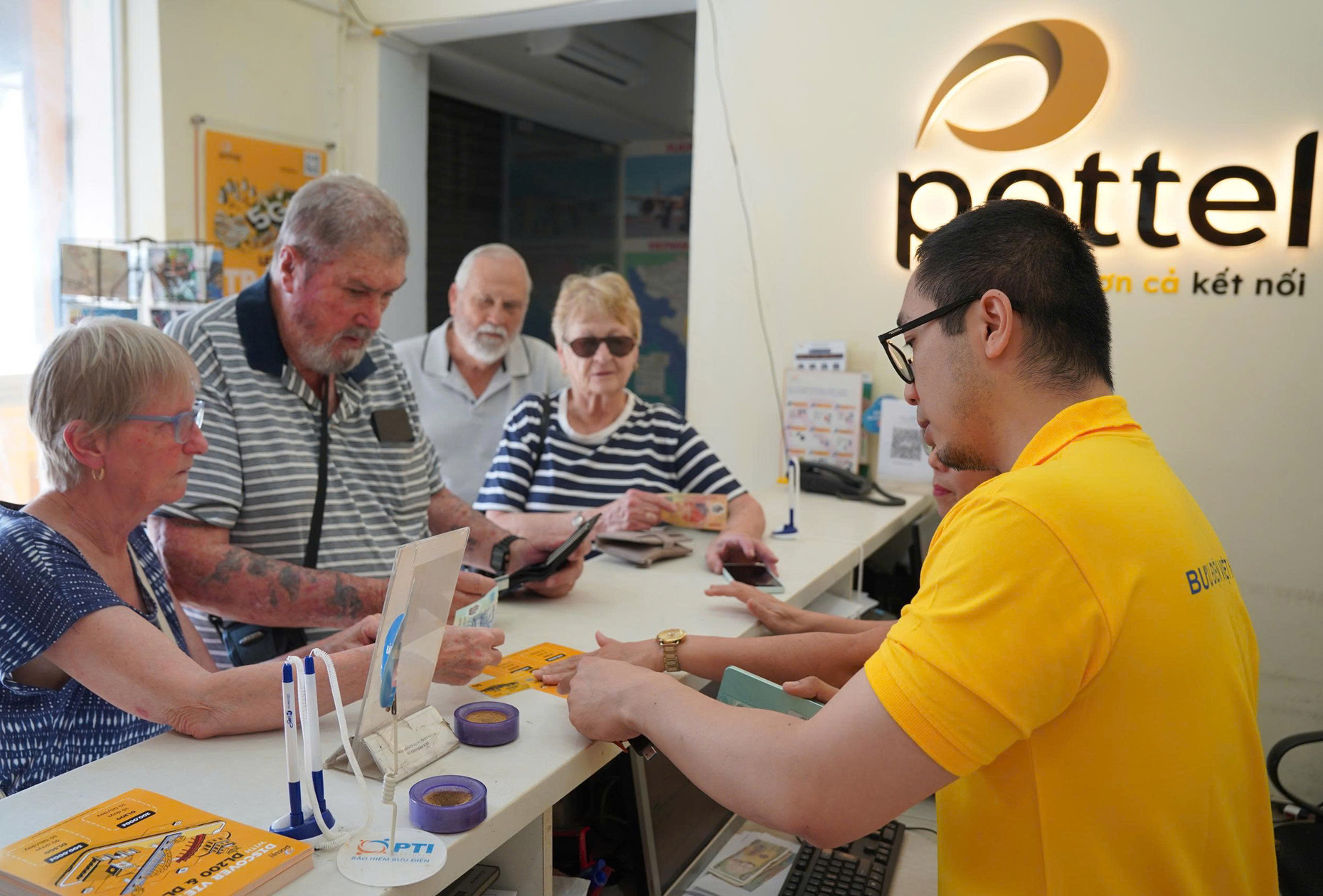
Vietnam Post has launched a travel SIM for international visitors to Vietnam under its new Pottel telecommunications brand.
Vietnam's Ministry of Science and Technology has granted Vietnam Post a license to provide nationwide public terrestrial mobile telecommunications services without using its own radio frequency spectrum, operating under the MVNO model.
The licensed services include voice calls, messaging, transmission for machine-to-machine connectivity and Internet access.
The expansion into telecommunications is expected to create closer links between the different services Vietnam Post already provides.
If its postal network facilitates the flow of goods, telecommunications can extend that ecosystem to the flow of data, information and digital connections.
One of Vietnam Post's notable advantages is its nationwide network of around 13,000 service points.
Alongside completing the necessary regulatory framework, the company is preparing its distribution system and retail network to bring telecommunications products closer to customers.
Pottel makes its mobile market debut
As its first move in the mobile market, Vietnam Post has launched a travel SIM for international visitors under the Pottel brand.
The product targets foreign travelers arriving in Vietnam, for whom staying connected to the Internet throughout a trip is increasingly important.
From checking maps and finding destinations to booking rides, contacting hotels, accessing social media and using travel service platforms, mobile connectivity has become an essential part of exploring an unfamiliar destination.
Rather than emphasizing complex technical specifications, Pottel's travel SIM is designed around practical traveler needs: easy access, straightforward use and quick connectivity.
For international visitors, having Internet access as soon as they arrive in a new country can make travel considerably more convenient and independent.
A phone with mobile data can support everything from maps, navigation and ride-hailing to communication, service bookings and accessing information throughout a journey.
Pottel has been developed to meet those needs while travelers are staying in Vietnam.
Having mobile data readily available can reduce reliance on public Wi-Fi while making it easier for visitors to remain connected as they move between destinations.
Alongside connectivity, the product places an emphasis on simplicity.
The activation process is designed to be convenient, allowing customers to complete the necessary steps quickly before using the SIM for communication, transportation and exploring Vietnam.
The travel SIM is also positioned at price points aligned with visitors' data requirements and length of stay.
Users can select a product based on their itinerary and actual connectivity needs, helping them avoid unnecessary costs while traveling.
Pottel's arrival in the travel SIM market also marks the beginning of Vietnam Post's broader journey into telecommunications.
From its regulatory foundation and distribution network to its product development strategy, the company is gradually expanding its ability to provide connectivity services.
Vietnam Post chooses VNPT as infrastructure partner
Alongside its market entry, Vietnam Post has announced VNPT as the infrastructure partner for its telecommunications brand.
The two companies share a history rooted in Vietnam's former unified postal and telecommunications sector.
For many years, postal and telecommunications services operated within the same system, jointly contributing to the development of communications networks and services across the country.
A major restructuring in 2013 marked a turning point, with the two areas organized into independently operating entities.
VNPT focused on developing telecommunications infrastructure, information technology and digital services, while Vietnam Post concentrated on postal services, delivery, logistics, postal financial services and community-oriented services.
After more than a decade pursuing their respective development paths, the two companies have continued to maintain various forms of coordination and cooperation.
Vietnam Post's move into telecommunications with VNPT as its infrastructure partner therefore both builds on that longstanding relationship and opens a new chapter in the digital era.
Under the MVNO model, Vietnam Post will develop its brand, products, distribution system and customer service operations while using its partner's telecommunications infrastructure.
This approach allows the postal company to take advantage of existing infrastructure, shorten deployment time, optimize investment resources and focus more heavily on areas that directly create value for customers.
The MVNO model also gives Vietnam Post an opportunity to integrate telecommunications with the ecosystem of services already available across its network, gradually expanding its ability to serve customers in both physical and digital environments.
With more than 13,000 service points and a workforce of postal carriers and counter staff operating across a wide range of locations, Vietnam Post has a network capable of reaching and serving customers on a large scale.
That network also provides a foundation for gradually bringing new products and services to users, particularly in rural, remote and isolated areas.
VNPT, meanwhile, operates a nationwide telecommunications network backed by technology platforms and years of investment and operational experience.
Together, these elements provide an additional foundation for Vietnam Post as it gradually rolls out its telecommunications services.
Through the move, Vietnam Post is adding telecommunications capabilities to its existing ecosystem, expanding its ability to connect with and serve customers in the digital environment.
It also creates a foundation for the company to explore and develop new products and services as user needs become increasingly diverse.
Thai Khang
.svg)
