 Vietnamnet.vn

 Podcast



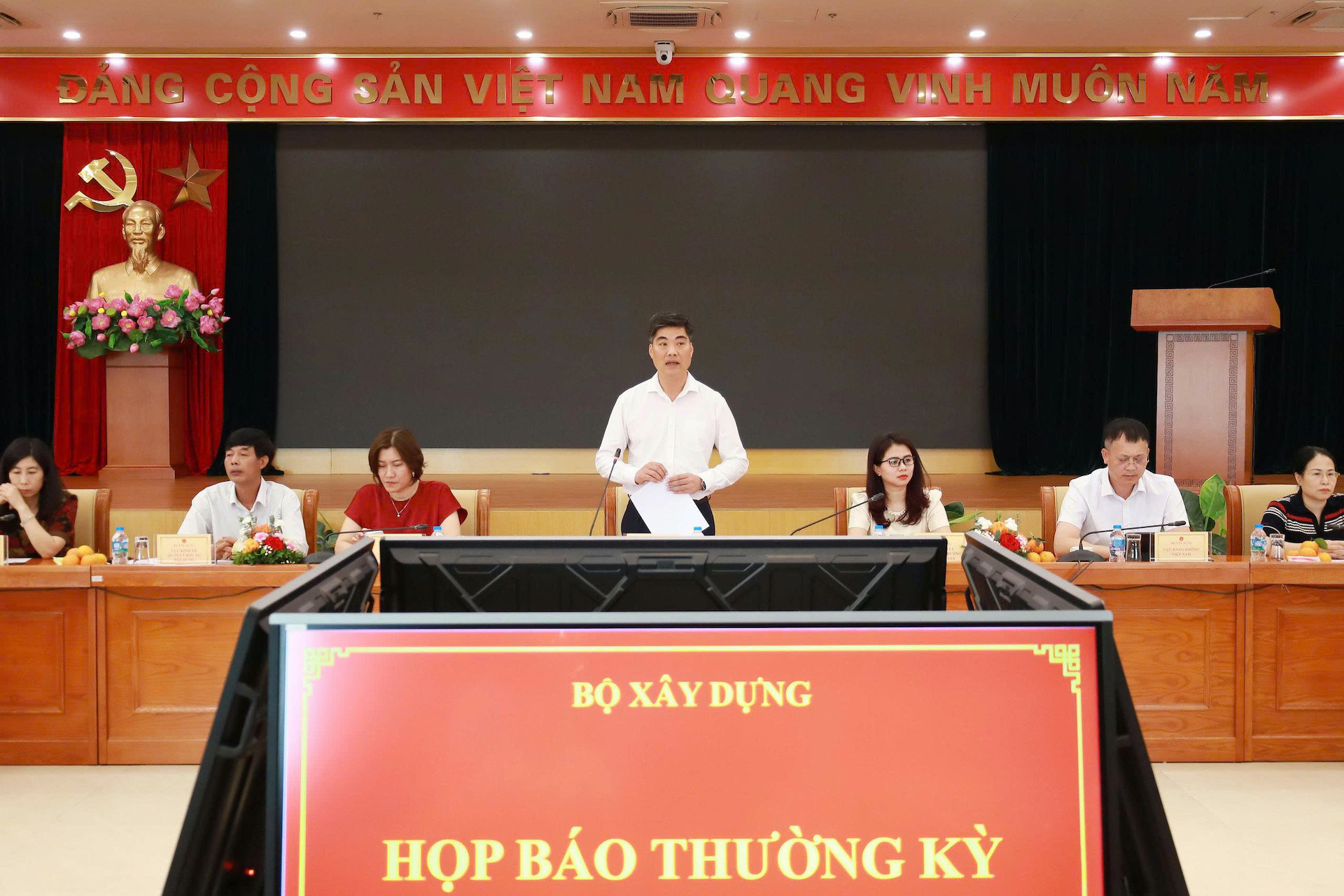
Additionally, 340 infrastructure projects serving land subdivision and sales are underway, providing more than 103,700 plots.
In the segment of projects eligible to sell off-plan housing, the country recorded 74 projects with over 34,300 units, marking a strong increase compared to the same period last year. A total of 51 projects were approved for investment policy during the quarter.
For social housing, there are currently 737 projects under development nationwide, totaling more than 701,000 units, achieving about 70.1% of the target of 1 million units.
In the first quarter alone, 66 projects were assigned investors, 33 were licensed and started construction, and four projects were completed with 578 apartments.
The total number of social housing projects completed and commenced so far accounts for approximately 0.18% of the target set for 2026.
Prices remain high, transactions decline
Despite improved supply, property prices have generally remained high.
According to Hoang Thu Hang, Deputy Director General of the Housing and Real Estate Market Management Agency under the Ministry of Construction, housing prices in the first quarter were largely stable but stayed at high levels, with slight increases in some localities.
Specifically, prices in Hanoi, Ho Chi Minh City, and Khanh Hoa rose by about 2%, while Da Nang and Dong Nai saw increases of over 1%.
Some market reports also point to early signs of cooling in Hanoi’s apartment segment. The average primary price stands at around VND100 million per square meter (US$4,100), down slightly quarter-on-quarter, while secondary prices remain at about VND82 million per square meter (US$3,300).
In terms of transactions, market liquidity has shown a downward trend. In the first quarter of 2026, total transactions reached approximately 115,650, down nearly 24% compared to the previous quarter and 14% year-on-year.
The apartment and individual housing segment recorded more than 25,600 successful transactions, dropping over 30% quarter-on-quarter. Land plots also saw nearly 90,000 transactions, down more than 10% compared to the same period last year.
A representative of the ministry noted that continued supply additions will play a key role in stabilizing the market.
“Improved supply will help stabilize the overall price level, limit unreasonable increases, and create more favorable conditions for genuine housing demand,” Hang said.
Looking ahead, demand is expected to concentrate on affordable housing in major urban areas, along with land plots in areas with well-developed infrastructure and stable populations.
The ministry also noted that as new legal regulations are implemented in a synchronized manner in 2026, the market will become more clearly segmented.
Brokerage activities are expected to become more professional as management is tightened and standards are raised. At the same time, speculative behavior and price manipulation will be more strictly monitored and controlled, reducing abnormal fluctuations.
Notably, a strong “filtering” process is expected to continue across the market. Weaker developers lacking financial capacity or legal compliance will gradually be eliminated, while those with clean land banks and well-structured projects will have greater opportunities to recover and grow.
Hong Khanh
.svg)
