 Vietnamnet.vn

 Podcast


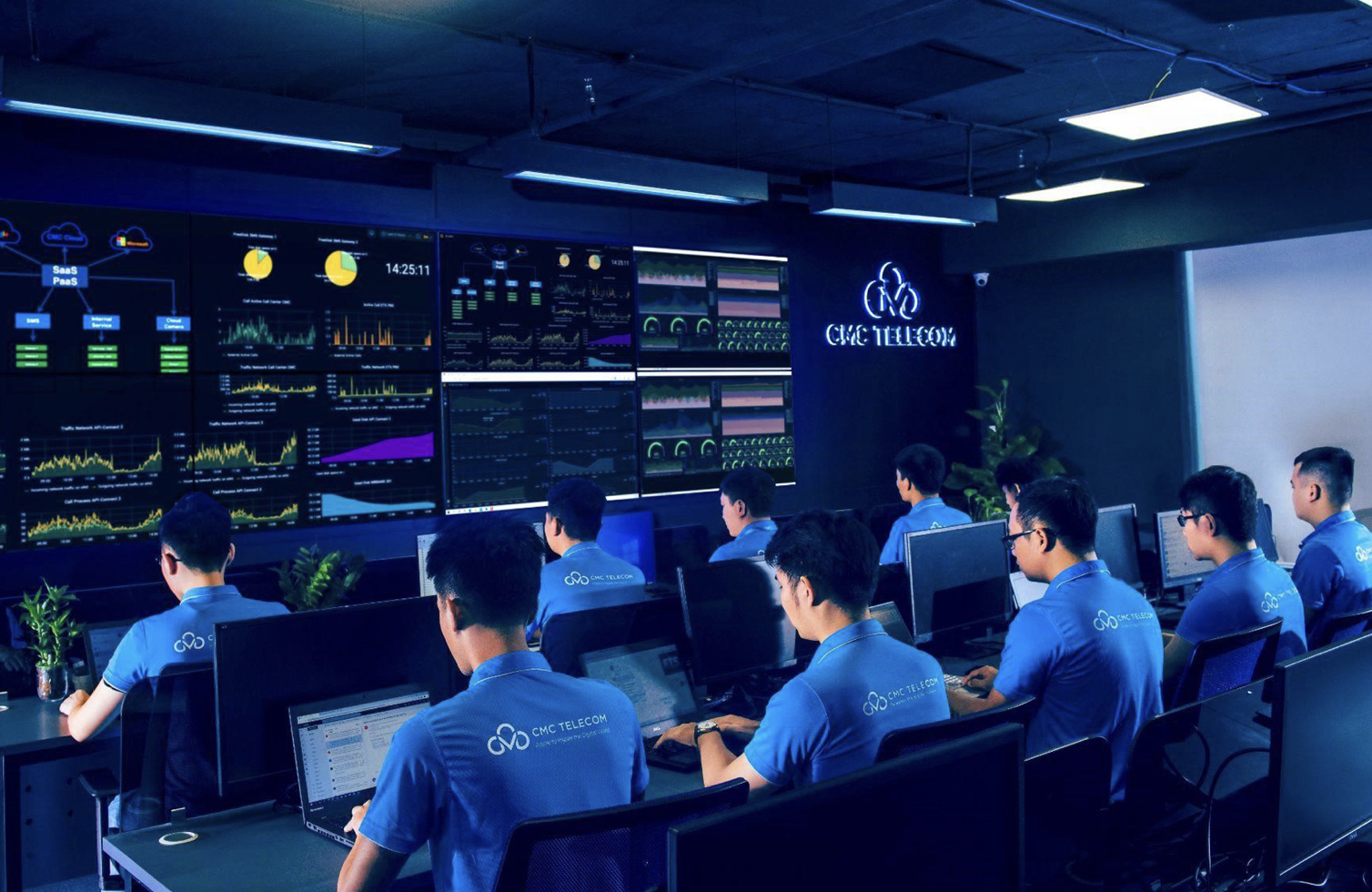
Vietnam's Ministry of Industry and Trade is seeking public feedback on proposed amendments to Circular 60/2025/TT-BCT, which governs retail electricity pricing, including a provision that would classify data center operations under industrial electricity tariffs.
According to an urgent notice issued on November 19, relevant agencies and organizations have been asked to submit their comments before November 25.
Under the draft amendments, a data center is defined as a telecommunications facility comprising buildings, stations, cabling systems, computers, electrical systems and supporting equipment used to process, store and manage data for one or more organizations or individuals.
The ministry proposes adding data center operations to the category eligible for industrial electricity tariffs, rather than the higher commercial rates currently applied to certain facilities.
Other entities providing centralized data processing, storage and management services that do not meet the proposed definition of a data center would remain subject to commercial electricity tariffs.
Regulatory inconsistencies create challenges for data centers
In its explanatory report, the Ministry of Industry and Trade said it had received numerous recommendations concerning electricity pricing for data centers during the implementation of Circular 60.
Previously, when Vietnam's data center industry was less developed and had not been recognized as a distinct service category, these facilities were generally charged industrial electricity rates under Circular 16/2014.
However, as the industry expanded and the Telecommunications Law 2023 introduced new provisions, the ministry revised the pricing framework through Circular 60.
Under the current regulations, data centers providing services to external organizations and individuals are subject to commercial electricity tariffs.
Facilities serving only a company's internal operations are charged according to the electricity usage purpose specified in their existing supply contracts.
Where electricity is used for multiple purposes, the buyer and electricity supplier must agree on the proportion attributable to each activity and apply the corresponding tariff.
In practice, this arrangement has created significant difficulties because of the technical characteristics of data centers.
Many facilities simultaneously support internal business operations and provide services to third parties, making it difficult for operators and electricity suppliers to distinguish consumption by purpose.
To address these complications, the Ministry of Science and Technology recommended applying industrial electricity tariffs uniformly to the technical infrastructure of data centers, regardless of whether they serve internal operations or external customers.
Office areas, customer service locations and other commercial activities would continue to be charged commercial electricity rates.
Based on that recommendation, the Ministry of Industry and Trade issued Official Letter 2818 on April 22, providing guidance that industrial electricity tariffs should apply to the technical systems of data centers when electricity buyers and suppliers cannot agree on how consumption should be allocated between different purposes.
However, an audit of Vietnam Electricity (EVN) subsequently raised questions about the legal validity of this guidance.
The State Audit Office of Vietnam noted that Official Letter 2818 was an administrative document addressing specific circumstances and could not supersede the provisions of Circular 60.
The audit authority warned that applying pricing guidance inconsistent with the circular could create unequal treatment among businesses and undermine the effectiveness of existing regulations.
The Ministry of Industry and Trade therefore considers amendments to Circular 60 necessary to establish a clear legal basis and ensure consistent electricity pricing for data centers nationwide.
Viettel and CMC face electricity cost increases exceeding 50%
The regulatory dispute has already had significant financial consequences for major Vietnamese technology companies.
Viettel and CMC previously submitted petitions to the Ministry of Industry and Trade after their data centers in Ho Chi Minh City were charged commercial electricity rates, while similar facilities in other localities continued to receive industrial tariffs.
According to the companies, switching to commercial electricity pricing increased their power costs by more than 50%.
The two businesses were also asked to pay approximately VND9.62 billion (around $363,000) in additional electricity charges and faced the possibility of having their electricity supplies suspended.
The dispute stemmed from differing interpretations of the ministry's guidance and the State Audit Office's findings.
While the Ministry of Industry and Trade had instructed electricity suppliers to apply industrial tariffs to data center technical systems under certain circumstances, the State Audit Office maintained that such guidance could not override Circular 60.
Faced with these conflicting interpretations, Ho Chi Minh City Power Corporation (EVNHCMC) requested that the Ministry of Industry and Trade and EVN issue consistent instructions to minimize legal risks and prevent disruptions to data center operations.
The Ministry of Science and Technology also sent three separate written requests urging the Ministry of Industry and Trade to direct EVN to implement the earlier guidance consistently.
The latest proposal seeks to resolve these differences by formally incorporating the relevant pricing provisions into Circular 60.
If adopted, the amendments would establish a clearer distinction between qualifying data center operations and other commercial data services, providing a more consistent framework for electricity billing.
The proposed changes come as Vietnam's data center industry expands to support growing demand for cloud computing, digital infrastructure and data processing services.
For operators such as Viettel and CMC, greater regulatory clarity could help reduce uncertainty over operating costs and electricity supply arrangements.
Tam An

