 Vietnamnet.vn

 Podcast


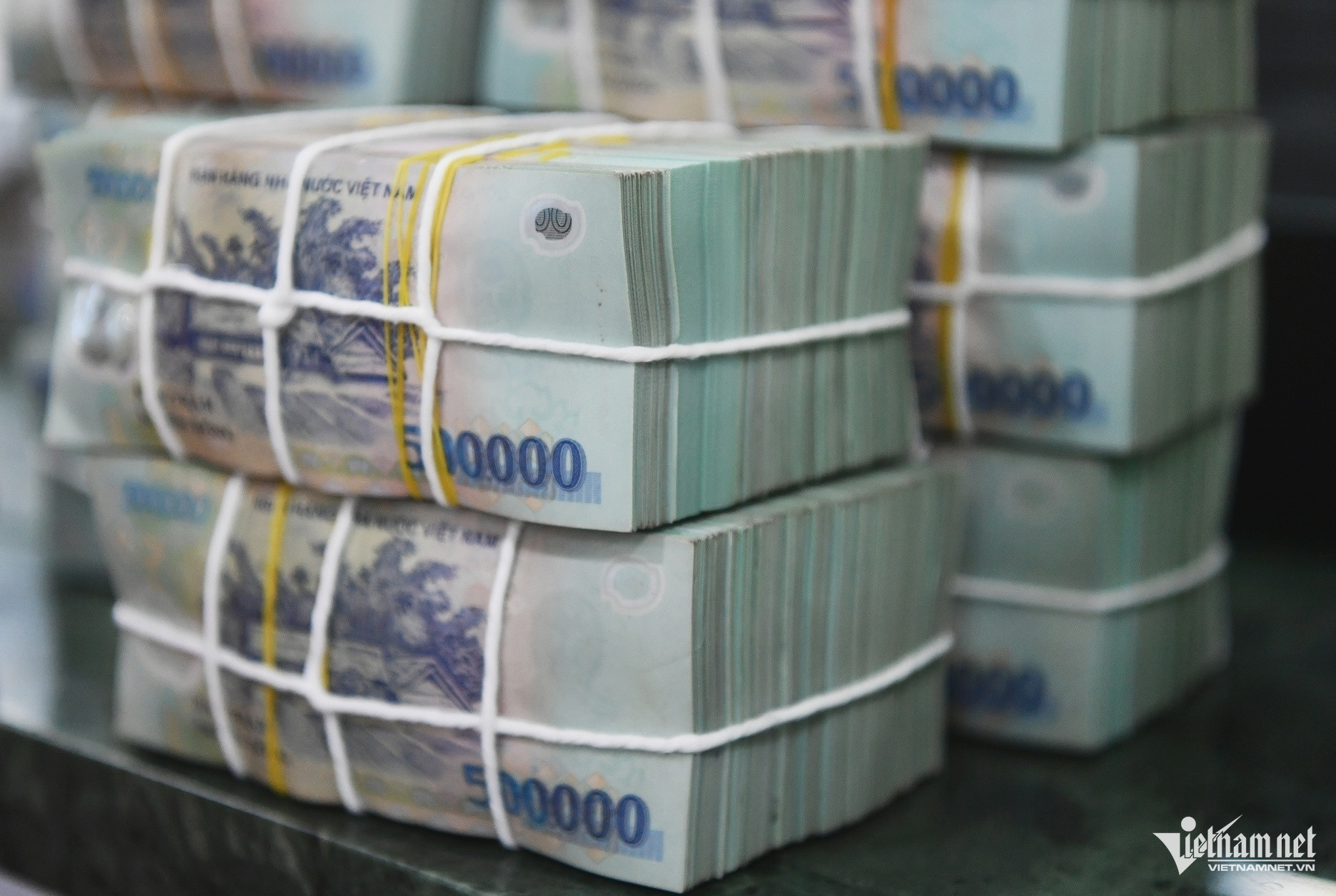
Business license fee debts could be canceled, including for active companies
Vietnam's Ministry of Finance is seeking public feedback on a draft National Assembly resolution introducing special measures to address outstanding tax debts and ease financial difficulties for taxpayers.
Under the proposal, business license fee debts incurred through December 31, 2025, and recorded in the tax administration system would be written off, along with the corresponding late-payment penalties.
According to the ministry's submission, approximately 764,000 taxpayers had outstanding business license fee debts totaling VND1.45 trillion (about $55.8 million) as of December 31, 2025.
The policy would apply to all taxpayers with eligible debts, regardless of whether they remain operational or have ceased business activities.
The ministry said the measure aims to clear outstanding obligations related to a fee abolished on January 1, 2026, while reducing administrative costs.
For companies, household businesses and individual entrepreneurs that have ceased operations, unpaid business license fees can complicate procedures to deactivate their tax identification numbers.
The longer a business remains inactive, the greater its outstanding obligations may become, leaving some taxpayers unable to afford the costs of completing the required procedures.
Nearly 2 million additional taxpayers are currently classified as having ceased operations without completing tax identification number deactivation procedures (status 03), or as no longer operating at their registered addresses (status 06). Their business license fee obligations during periods of inactivity have not yet been recorded in the tax system.
If all these taxpayers sought to reactivate or deactivate their tax identification numbers, the unrecorded business license fee obligations could amount to approximately VND15 trillion ($577 million).
However, the ministry emphasized that this is a hypothetical estimate, not an officially recorded debt or revenue the government could necessarily recover.
Under the draft resolution, tax authorities would use existing tax administration data to identify and cancel eligible business license fee debts without requiring taxpayers to submit applications.
The process is expected to be completed within six months of the resolution taking effect. Tax authorities would also be required to terminate enforcement measures associated with debts eligible for cancellation.
Taxpayers must settle principal debts to qualify for penalty relief
Another major provision would introduce conditional relief from late-payment penalties for taxpayers classified under statuses 03 and 06.
According to the ministry's figures, more than 2.5 million taxpayers fell into these categories as of October 23, 2026.
Their combined outstanding tax obligations totaled approximately VND27.805 trillion ($1.07 billion), comprising VND18.09 trillion ($696 million) in principal debts and VND9.715 trillion ($374 million) in late-payment penalties.
The ministry noted that many businesses had been inactive for years, with no remaining assets or income available for enforcement. In some cases, tax authorities could no longer contact business owners.
Meanwhile, late-payment penalties continued to accumulate, making it increasingly difficult for taxpayers to settle their obligations and complete the necessary administrative procedures.
The draft therefore proposes waiving late-payment penalties on the condition that taxpayers fully repay their principal debts and resolve the legal status of their tax identification numbers.
Under the proposal, eligible taxpayers must submit valid applications to reactivate or deactivate their tax identification numbers, with the applications received by tax authorities no later than June 30, 2028.
They must also settle all principal debts by that deadline.
Taxpayers with no outstanding principal debts would be considered to have satisfied the repayment requirement, based on records verified and confirmed by tax authorities.
Principal debts under the draft include unpaid taxes, administrative fines imposed by tax authorities and other outstanding amounts, excluding business license fee debts eligible for cancellation.
The relief would not apply to debts associated with tax evasion, tax fraud, illegal invoices or documents, or cases undergoing inspection, investigation, prosecution or trial.
The draft also provides exceptions for taxpayers who conducted business activities or incurred tax obligations from those activities while classified under statuses 03 or 06 without completing tax identification number deactivation procedures.
These exceptions would not affect the proposed cancellation of eligible business license fee debts and their corresponding late-payment penalties.
Heads of tax authorities would be responsible for verifying eligibility, approving relief and adjusting late-payment penalty balances in the tax administration system within 10 working days of receiving complete and valid documentation and sufficient evidence that the taxpayer meets all requirements.
Penalty relief would be processed alongside applications for tax identification number reactivation or deactivation.
The proposed policies would remain applicable through June 30, 2028.
Taxpayers who submit valid applications and meet the principal debt repayment requirements before that deadline would remain eligible for processing even if tax authorities have not completed the relevant procedures by then.
The Ministry of Finance estimates that the conditional waiver could reduce recorded outstanding debts by approximately VND9.715 trillion ($374 million).
However, it stressed that this amount does not represent revenue the state could necessarily collect, as many affected taxpayers have ceased operations, cannot be contacted or lack assets and income.
The ministry believes the policy could encourage taxpayers to repay their principal debts, improving actual debt recovery while lowering tax administration costs.
The resolution is expected to take effect on the date of its adoption by the National Assembly.
The government would be responsible for implementation without introducing additional conditions, documentation requirements or administrative procedures beyond those specified in the resolution.
It would also report the implementation results to the National Assembly at its final session of 2028.
Nguyen Le

