 Vietnamnet.vn

 Podcast



Vietnam has proposed amendments to its Publishing Law that would establish a legal framework for creating national flagship publishing and media organizations, part of a broader effort to modernize the country's publishing industry and strengthen its digital content ecosystem.
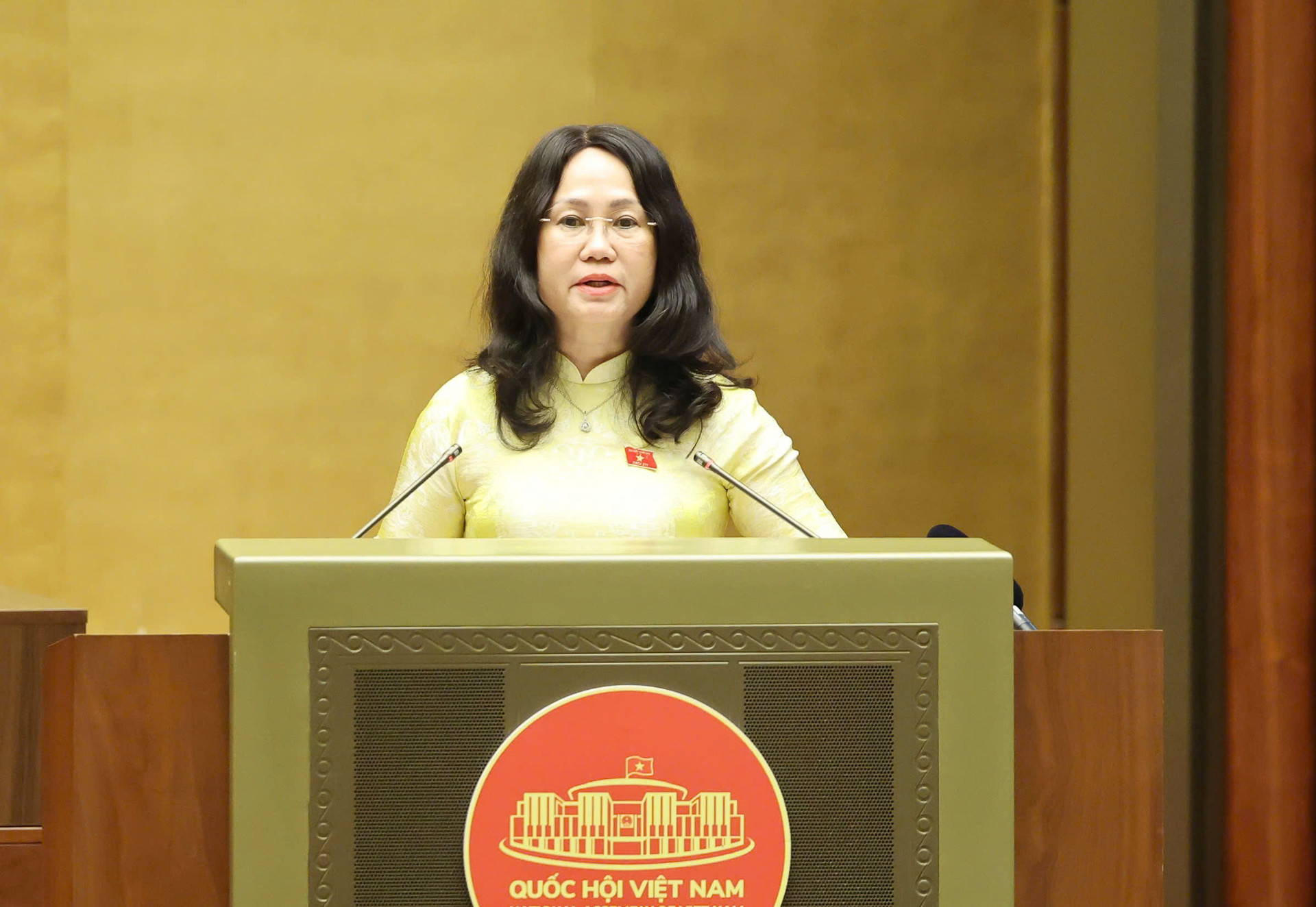
Presenting the draft legislation to the National Assembly on August 5 on behalf of the Prime Minister, Minister of Culture, Sports and Tourism Lam Thi Phuong Thanh said the proposed amendments are designed to remove regulatory bottlenecks while creating a legal foundation for the publishing sector's next stage of development.
Publishing viewed as both a cultural and economic sector
The draft legislation revises Article 3 to redefine the role of publishing in Vietnam's development strategy.
Under the proposal, publishing would no longer be viewed solely as a cultural and ideological activity. It would also be recognized as an economic and technology sector, a key component of the country's cultural industries, an element of national knowledge infrastructure, a major tool for education and training, and a contributor to Vietnam's soft power.
Lam Thi Phuong Thanh said the draft also modernizes the state's regulatory approach by shifting greater emphasis toward data-driven governance, digital technologies and post-publication oversight while further strengthening policies supporting the publishing industry.
Instead of relying primarily on pre-publication controls, regulators would increasingly oversee publishing activities through digital data, post-publication supervision and clearer accountability for organizations involved in publishing.
The proposal also calls for wider use of digital technologies in regulatory management, monitoring and enforcement.
Legal framework for flagship publishing and media organizations
One of the draft law's most significant proposals is the creation of a legal basis for national flagship publishing and media organizations.
It also introduces policies supporting investment in and development of large-scale, multi-platform, multi-product publishing and media groups.
According to the minister, such organizations would improve coordination across the industry, concentrate resources, strengthen competitiveness and help build large publishing entities capable of operating across multiple platforms.
The reforms also aim to foster an integrated publishing ecosystem while supporting the growth of Vietnam's content and cultural industries.
The draft legislation further expands opportunities for collaboration by allowing technology companies, media businesses, educational institutions, libraries and content creators to participate more actively in the publishing value chain.
At the same time, it establishes clearer rules governing the rights, obligations and responsibilities of organizations participating in publishing partnerships.
Additional provisions would create mechanisms for licensing adaptations, commercializing intellectual property and developing derivative products from published content, with the goal of supporting Vietnam's broader creative economy.
The draft also strengthens measures against illegal printing, unauthorized reprints, counterfeit publications and copyright infringement in digital environments while defining the responsibilities of digital platforms and intermediary service providers.
National Assembly committee seeks greater clarity
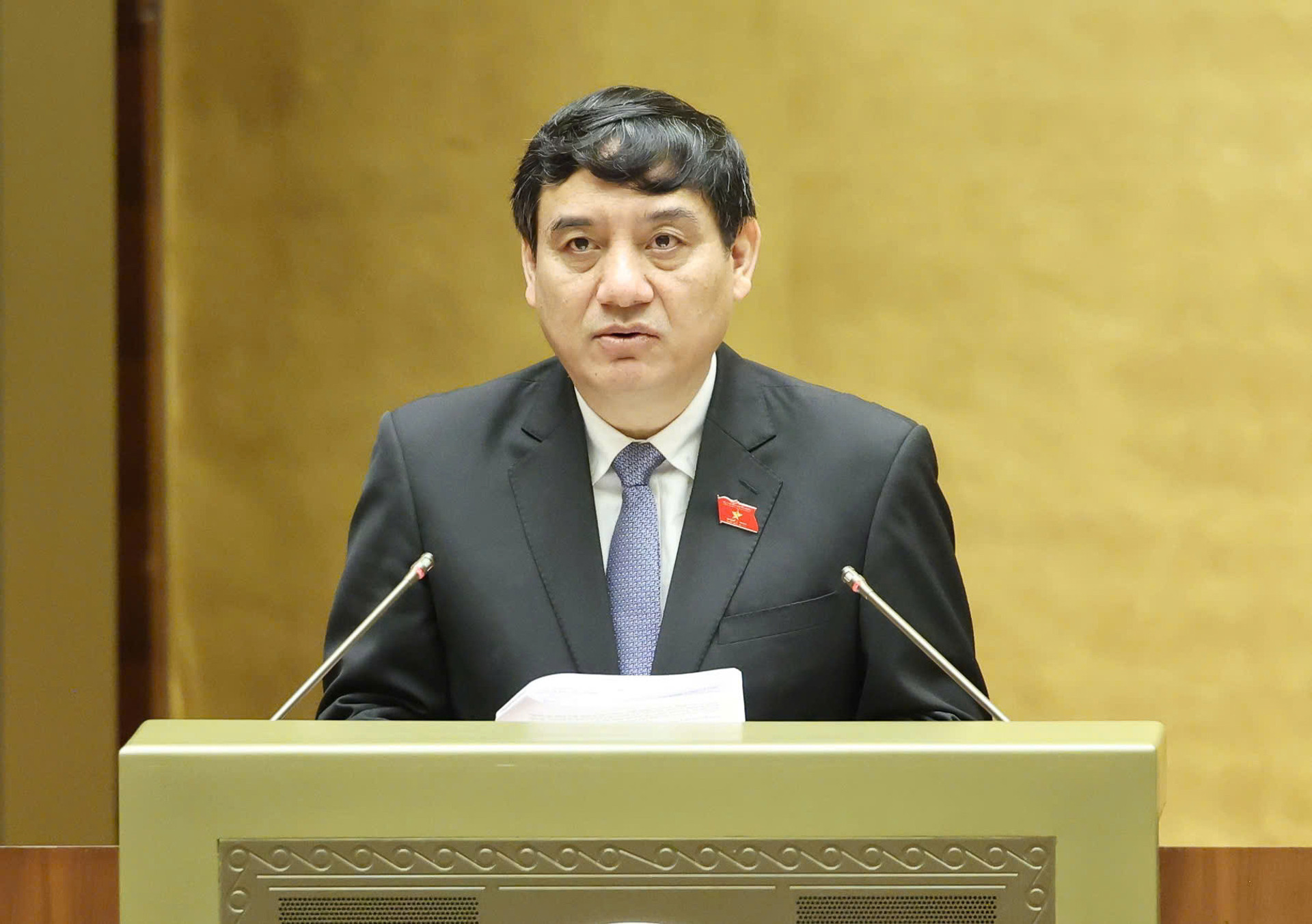
Presenting the National Assembly's review of the bill, Nguyen Dac Vinh, Chairman of the Committee for Culture and Society, expressed support for amending the Publishing Law.
The committee agreed with proposals to revise the organizational model for publishing houses and supported the introduction of national flagship publishing and media organizations.
However, it recommended further clarification of the governance structure, organizational model and operational mechanisms for these institutions.
Lawmakers also called for clearer definitions of both the national flagship publishing and media organization model and the proposed national flagship publishing and media group.
The committee further recommended reviewing provisions relating to organizational structures, including references to affiliated public service units.
Regarding online publishing activities, lawmakers urged the government to ensure consistency with Vietnam's existing laws governing online information management and related legislation to avoid overlapping or conflicting regulations.
They also called for the draft law to more comprehensively address cross-border publishing platforms and intermediary distribution services that provide publications to the Vietnamese market.
Thu Hang
.svg)
