 Vietnamnet.vn

 Podcast



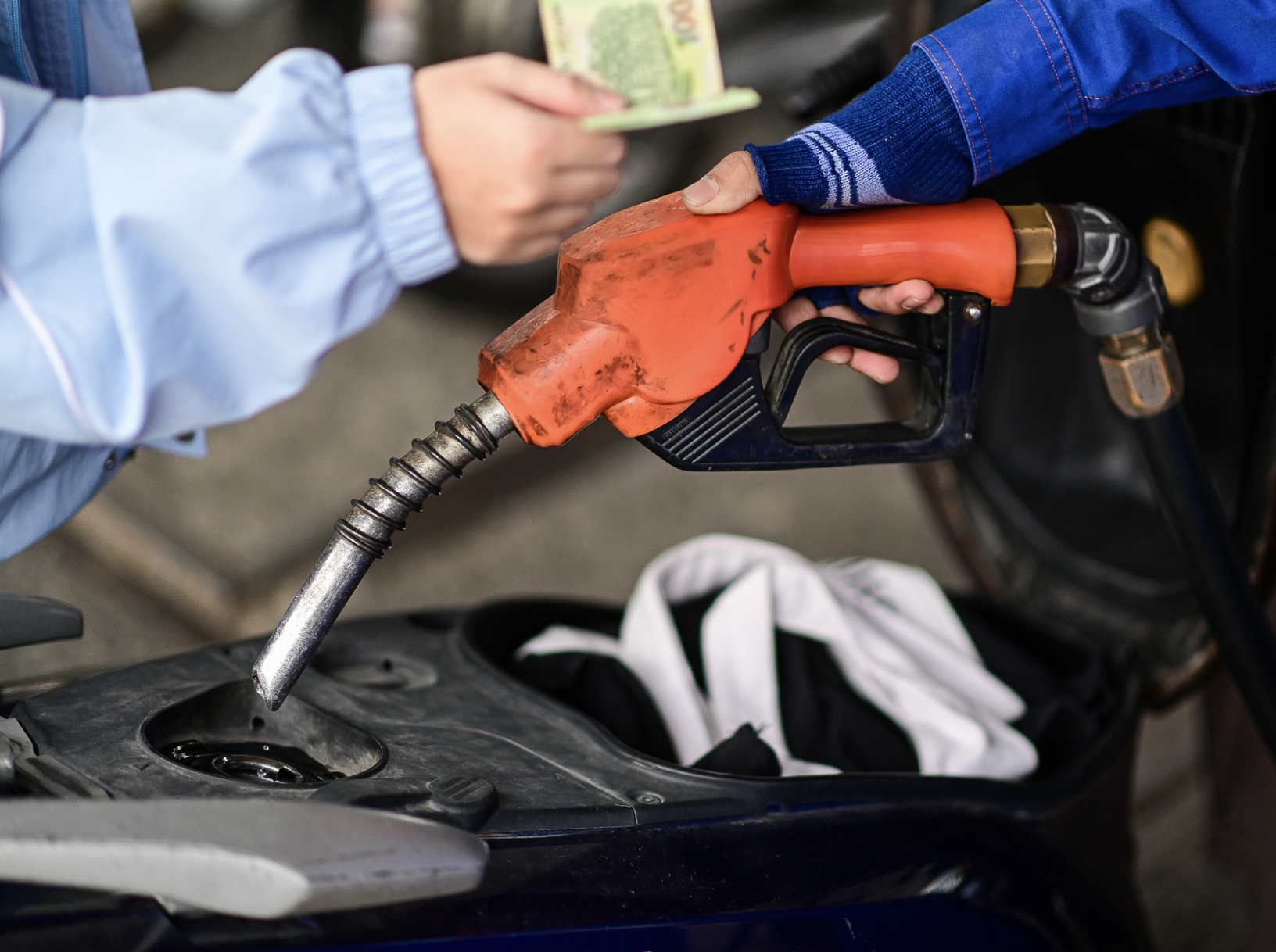
Under Circular 50 issued by the Ministry of Industry and Trade, from June 1, 2026, all gasoline sold domestically must be blended into E10 for use in gasoline engines. However, amid growing global energy uncertainties, the government is pushing to bring forward the timeline, aiming to deploy E10 nationwide as early as April 2026 to help cut fossil fuel consumption by around 10 percent.
According to Deputy Minister Nguyen Sinh Nhat Tan, the accelerated roadmap shortens implementation by about one month, reflecting the urgency of the transition.
To meet this goal, Vietnam will require between 100,000 and 110,000 cubic meters of ethanol (E100) each month, equivalent to 1.2 to 1.3 million cubic meters annually. This demand level is fixed, raising a key question: whether supply can keep pace.
At present, the answer appears to be no.
Vietnam has six ethanol production plants, but only four are currently operational. While total theoretical capacity across all six facilities is around 41,000 cubic meters per month, actual output from the four active plants reaches only about 25,000 cubic meters monthly, covering roughly 25 to 27 percent of demand.
Even if all six plants were to operate at full capacity, they would meet only about 41 percent of national needs.
Among the active facilities, the Ethanol Dong Nai plant is operating steadily at around 250 cubic meters per day, or approximately 7,000 cubic meters per month, and has already reached its maximum capacity. Its flexible production line allows the use of various feedstocks, including corn, cassava and broken rice, helping stabilize input supply. Plans are in place to increase output to 130 percent of current capacity.
Meanwhile, the Ethanol Dung Quat plant has recently resumed operations. After trial runs began in January, it produced its first batch of fuel ethanol in early February. Output reached around 150 cubic meters per day in March and is expected to rise to 200 cubic meters per day in April, and approximately 300 cubic meters per day from May once new grinding systems are fully operational.
Other facilities, including the Dai Tan and Dak To plants, contribute additional capacity of 8,000 and 3,000 cubic meters per month, respectively.
Authorities are also working with relevant stakeholders to restart previously idle ethanol plants. Over time, restoring and expanding domestic production is expected to reduce reliance on imports and strengthen supply security.
However, in the near term, imports will remain essential.
Industry estimates indicate that Vietnam will need to import between 700,000 and nearly 1 million cubic meters of ethanol annually during 2026-2027. Major suppliers include the US and Brazil, with logistics routes that avoid conflict-affected areas such as the Middle East, ensuring relatively stable transportation.
Additional supply channels are available through regional distribution hubs such as South Korea and Singapore.
While ethanol prices tend to fluctuate less than conventional fuel, challenges remain in timing and competition. As countries like India, the Philippines, Thailand and China ramp up their own biofuel programs, demand pressure on supply hubs is expected to intensify.
Vietnam does have infrastructure advantages. Key ports including Nha Be, Van Phong, Da Nang and Quang Ninh are capable of handling large shipments, facilitating imports when needed. Still, industry representatives warn that without early procurement planning, domestic firms could face supply shortages or be forced to purchase at higher prices from regional markets.
The push toward E10 represents a strategic shift in Vietnam’s energy policy, balancing environmental goals with energy security. Yet the transition also highlights a structural gap between ambition and capacity, one that will require coordinated efforts across production, logistics and international sourcing to bridge in the years ahead.
Tam An
.svg)
