 Vietnamnet.vn

 Podcast



Amid concerns over the potential impact on national digital infrastructure, the Ministry of Science and Technology has sent a second official document to the Ministry of Industry and Trade, warning that applying commercial electricity tariffs to data centers could increase operating costs by 20 to 25 percent.
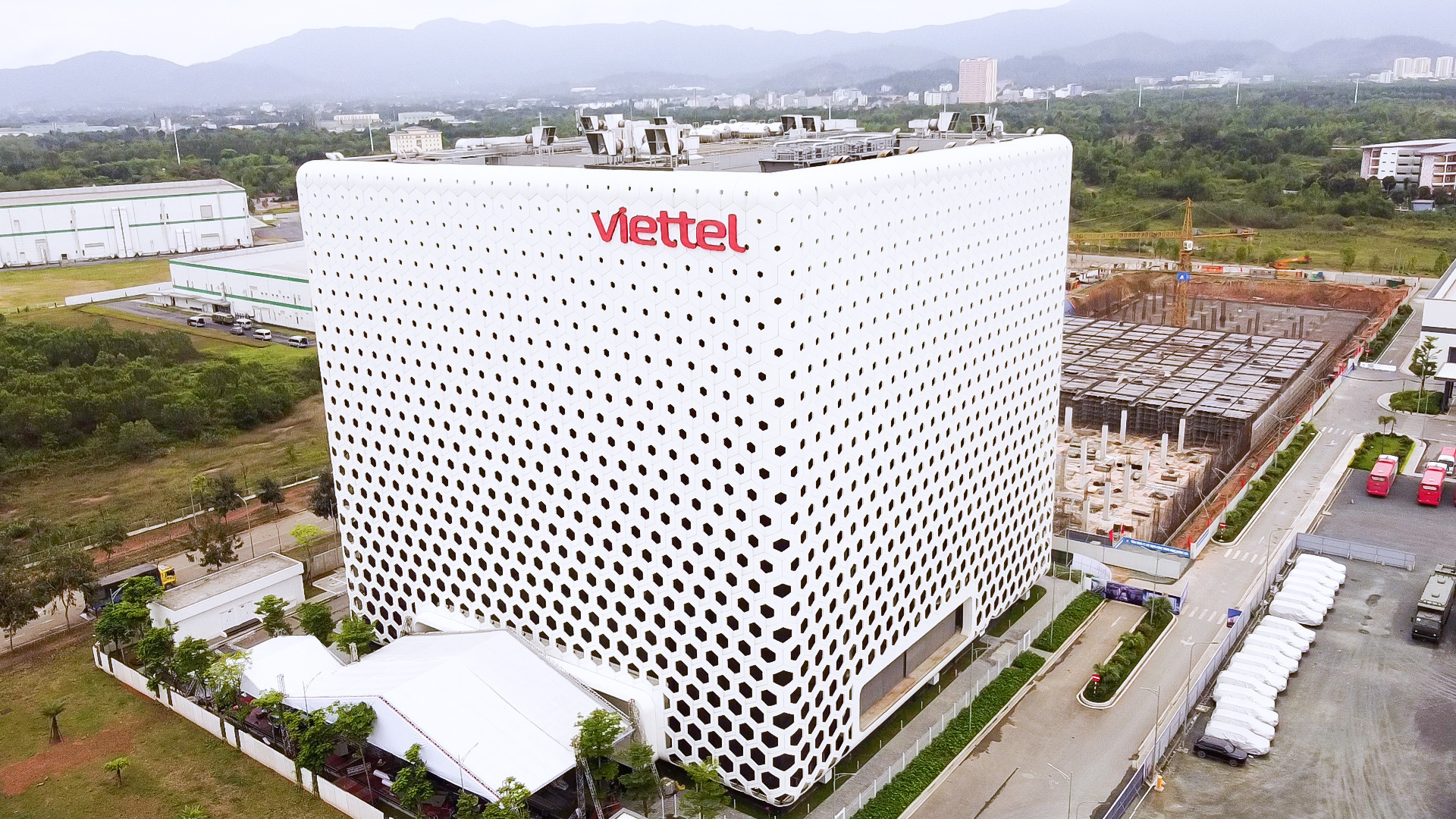
Recently, the ministry reiterated its position regarding the application of electricity pricing policies to data centers.
From a sectoral management perspective, it emphasized that the application of electricity pricing under Circular 60 should be reviewed to ensure consistency with the Telecommunications Law and the Law on Digital Technology Industry.
Under Circular 60, electricity prices are categorized based on usage purposes. Electricity used for telecommunications infrastructure - such as switching centers, transmission networks, and broadcasting stations - is subject to production pricing, while electricity used for telecom service business operations is subject to commercial pricing.
According to the Telecommunications Law (2023), data centers are classified as a type of telecommunications infrastructure, while data center services are considered telecommunications services.
Therefore, electricity pricing for data centers should follow the same principle applied to other telecommunications services and should not depend on whether the services are used internally or provided to external customers.
In practice, production activities are fundamental to generating products and services for the market. Supplying services externally does not change the nature of electricity usage within technical systems.
Specifically, electricity used for technical systems within data centers - including servers, storage, data processing, cooling, and infrastructure operations - directly enables service provision and should be classified under production pricing. Meanwhile, electricity used in business service areas such as offices and transaction points should fall under commercial pricing.
In addition, under the Law on Digital Technology Industry (2025), data centers are part of digital technology industry infrastructure.
The ministry affirmed that applying production electricity pricing to data centers aligns with the principle of applying such pricing to industrial sectors under Circular 60.
As a critical component of digital infrastructure, any disruption or interruption in electricity supply to data centers could severely affect information systems and a wide range of socio-economic activities in the digital environment.
Electricity pricing is also a key factor for foreign investors when deciding whether to establish data centers in Vietnam.
Applying commercial electricity tariffs would significantly increase operating costs, potentially affecting investment efficiency and raising the risk of relocating data storage and processing activities خارج Vietnam. This could undermine the effective implementation of Resolution No. 57-NQ/TW, which calls for policies to support domestic enterprises in developing data centers and cloud computing, while attracting foreign investment in these sectors.
Based on these considerations, the Ministry of Science and Technology urged the Ministry of Industry and Trade to issue clear guidance on the application of Circular 60 to data centers to ensure consistency and promptly address difficulties faced by businesses.
In the absence of unified guidance, the ministry proposed temporarily maintaining production electricity pricing and ensuring stable power supply for data centers.
Earlier, major companies including Viettel, VNPT, FPT Telecom, CMC, and VNG Data Center had submitted proposals to the Ministry of Industry and Trade regarding changes in electricity pricing under Circular 60.
Under the current interpretation, electricity authorities classify data center operations as “centralized data processing, storage, and management services,” thereby applying commercial electricity tariffs instead of production tariffs - which had previously been consistently applied to all data centers in Vietnam.
On February 13, 2026, the Ministry of Science and Technology sent an initial document to the Ministry of Industry and Trade regarding enterprise recommendations on electricity pricing for data centers.
On March 19, 2026, the Electricity Authority and the Telecommunications Authority held a joint meeting with representatives from Vietnam Electricity, power corporations, data center enterprises, and the Vietnam Internet Association.
At the meeting, businesses and industry groups expressed concerns that policy changes would significantly increase costs, affecting operations and the investment environment.
Electricity costs currently account for around 40 to 50 percent of total operating expenses for data centers. Switching from production to commercial electricity pricing has already increased electricity costs by more than 50 percent compared to previous levels, potentially raising total operating costs by approximately 20 to 25 percent.
Thai Khang
.svg)
