 Vietnamnet.vn

 Podcast



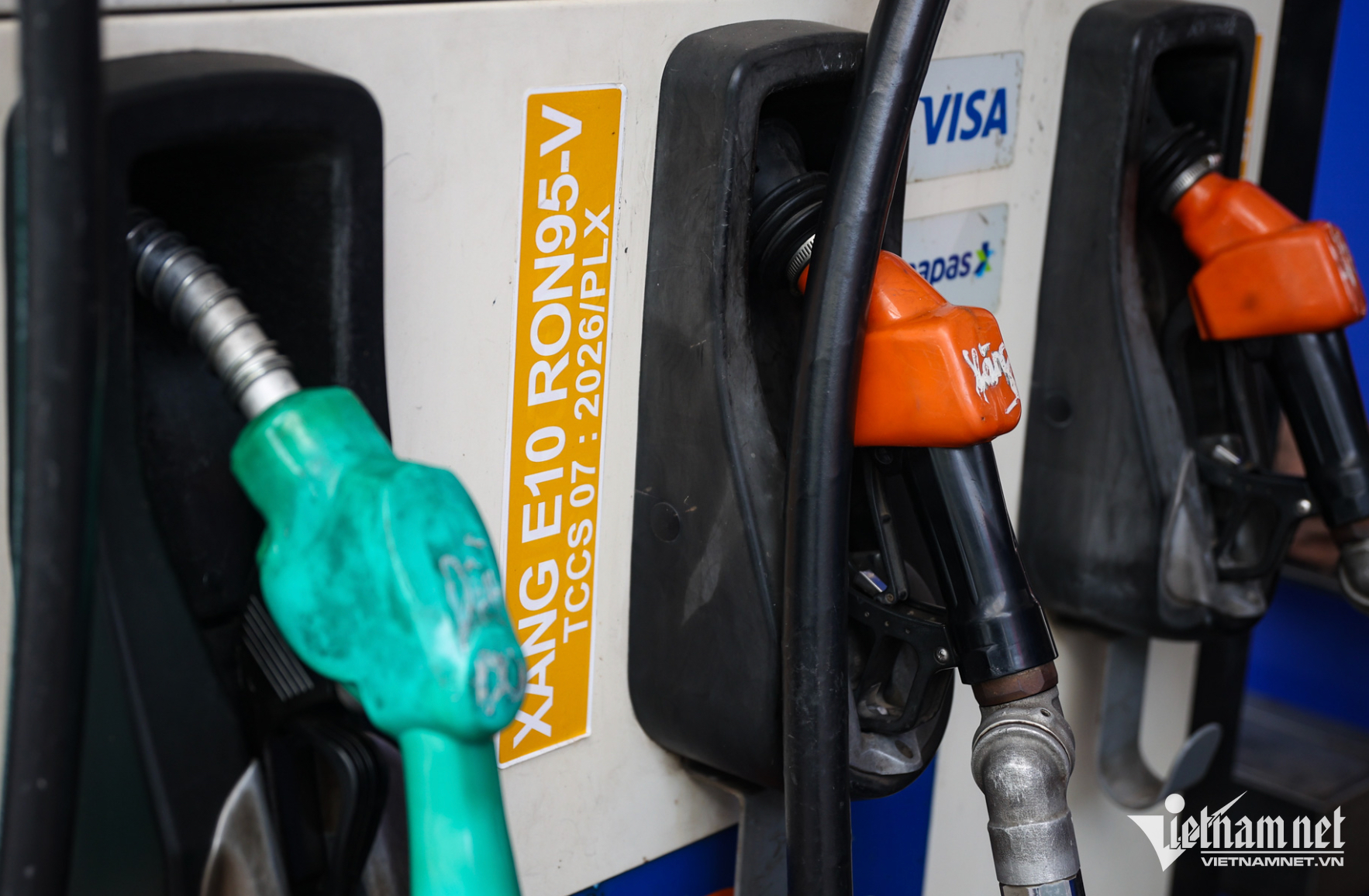
Speaking at the seminar "Nationwide E10 gasoline sales: Understanding it correctly, using it properly, implementing it effectively," organized by Tien Phong newspaper on June 5, Dao Duy Anh, Deputy Director General of the Department of Innovation, Green Transition and Industrial Promotion under the Ministry of Industry and Trade, said the shift to biofuel is driven by several strategic objectives, including reducing greenhouse gas emissions and creating stable demand for agricultural products.
In addition, energy security remains one of the key drivers behind the rollout of E10 gasoline.
Currently, around 70% of Vietnam’s fuel demand depends directly or indirectly on imported sources. Against a backdrop of geopolitical conflicts that could disrupt supply chains, the development of biofuels is viewed as a solution to strengthen energy self-sufficiency and reduce risks to the economy.
Addressing concerns that E10 gasoline could damage engines, Dao Duy Anh said the Ministry of Industry and Trade had consulted automobile and motorcycle manufacturing associations. According to those consultations, most vehicles manufactured after 2000 are compatible with E10 gasoline.
Circular No. 50 governing E10 fuel trading took effect on June 1, 2026. During the first days of implementation, E10 consumption reached more than 141 million liters out of a total of 151 million liters of gasoline sold nationwide, with no significant negative consumer feedback recorded.
“Regarding information circulating on social media claiming that vehicles experienced problems after being filled with E10 gasoline, we believe specific causes should be verified before rushing to blame fuel quality,” he said.
Cleaning properties may expose existing issues in older vehicles
According to Associate Professor Dr. Dam Hoang Phuc, Director of the Automotive Engineering Training Program at Hanoi University of Science and Technology, the most notable characteristic of E10 gasoline is its cleaning capability.
For vehicles that have been in use for five to ten years, fuel systems and tanks typically accumulate layers of residue and deposits. When E10 gasoline is introduced, the ethanol component dissolves these deposits, pushing them through fuel lines and potentially causing operational issues.
He stressed that ethanol itself does not cause faults. Rather, it acts as a diagnostic trigger for the fuel system.
“It brings forward problems that might otherwise remain hidden for several more years,” he explained.
Because E10 contains a higher ethanol concentration than the E5 fuel previously available in Vietnam, the cleaning process occurs more quickly and more aggressively. Vehicle owners are therefore advised to proactively inspect fuel filters. If filters appear dark or heavily contaminated, cleaning or maintenance should be carried out promptly.
For older vehicles that are 15 to 20 years old, fuel systems may not have been designed to accommodate E10 gasoline. Phuc recommended that owners of such vehicles have them inspected, serviced and fitted with replacement parts where necessary to ensure safe operation.
Sharing the same view, Dao Duy Anh emphasized that E10 gasoline has strong solvent properties. When introduced into a vehicle, it can remove years of accumulated deposits inside fuel tanks and fuel delivery systems.
The loosened deposits can then travel through the fuel system, clogging injectors and reducing the amount of fuel supplied to the engine.
To address this issue, the Ministry of Industry and Trade has advised owners of older vehicles or vehicles that have been inactive for long periods to inspect and clean fuel tanks and fuel lines before switching to E10 gasoline.
The ministry has also publicly released a set of 85 frequently asked questions and answers, along with guidebooks, leaflets and posters distributed at fuel stations nationwide.
According to Dao Duy Anh, many consumers remain concerned and are being influenced by speculation surrounding E10, believing it will become the only fuel option available.
However, not all vehicles are required to use the new fuel.
For older vehicle models, engines can continue to operate reliably on RON92 gasoline. As a result, the market will continue supplying E5 RON92 fuel to serve this segment of users.
Dao Duy Anh also said the Ministry of Industry and Trade is working with the Ministry of Finance on proposals to reduce taxes and fees on fuel products while studying adjustments to pricing structures through an appropriate roadmap aimed at balancing the interests of the state, businesses and consumers.
Tam An
.svg)
