 Vietnamnet.vn

 Podcast



The 14th National Congress of the Communist Party of Vietnam has been hailed as a transformative event-not only for its outcomes but for the bold shifts it introduced in both political thought and institutional practice. For Dr. Dinh Duy Hoa, a veteran policy analyst, three major breakthroughs stand out. Together, they signal a decisive turn toward strategic clarity, institutional agility, and people-first governance.
1. A strategic shift in policy vision
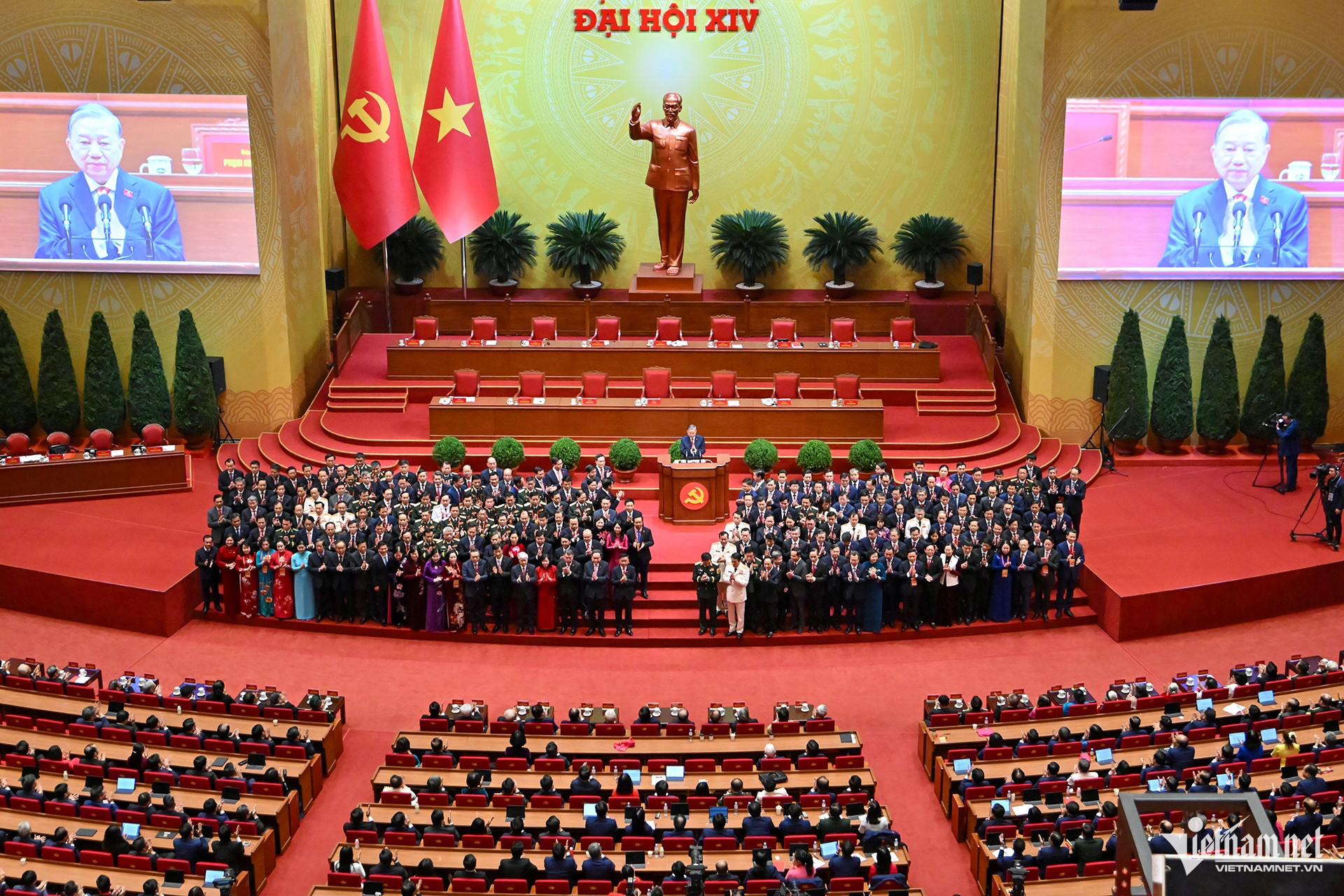
Unlike previous congresses, the 14th Congress was preceded by a wave of significant policy resolutions that laid the groundwork for a new development trajectory. These included:
Resolution 57 (December 2024) on science, technology, innovation, and national digital transformation.
Resolution 59 (January 2025) on global integration in a shifting geopolitical context.
Resolution 66 (April 2025) on reforming lawmaking to meet the needs of a modernizing society.
Resolution 68 (May 2025) on the role of the private sector.
Resolution 71 (August 2025) on education reform.
Resolution 79 (January 2026) on state-owned economic development.
These documents reflect a fundamental change in the Party’s strategic thinking: Vietnam can no longer rely on old growth models. Instead, it must pivot to knowledge-based, digital, green, and circular economies-where private enterprise, innovation, and global integration become the new engines of development.
This readiness to embrace new paradigms-while directly confronting existing weaknesses-marks the first major breakthrough of the 14th Congress. It also shows the political courage to reframe long-standing assumptions: that private enterprise is not just important but the primary driver of economic vitality in the years ahead.
2. Institutional reform that cuts to the core
Vietnam’s political apparatus has long struggled with bloated structures, inefficiencies, and fragmented implementation. Despite multiple past resolutions on institutional streamlining, progress remained slow and uneven.
That changed in 2025.
In what Dr. Hoa describes as a “quiet revolution,” Vietnam undertook a comprehensive restructuring of its political system-starting with the most entrenched elements. The Party, government bodies, and mass organizations were trimmed, restructured, and aligned more closely with performance and accountability goals.
This institutional shake-up was not merely cosmetic. It served as both precedent and platform for the second breakthrough of the 14th Congress: a commitment to effective governance, guided by leaner structures, stronger coordination, and a results-based culture.
In the words of General Secretary To Lam, “We must say what we mean, do what we say, and see it through to the end.” That ethos now extends across the entire political system, from top-level leadership to frontline administration.
3. A social contract rooted in real lives
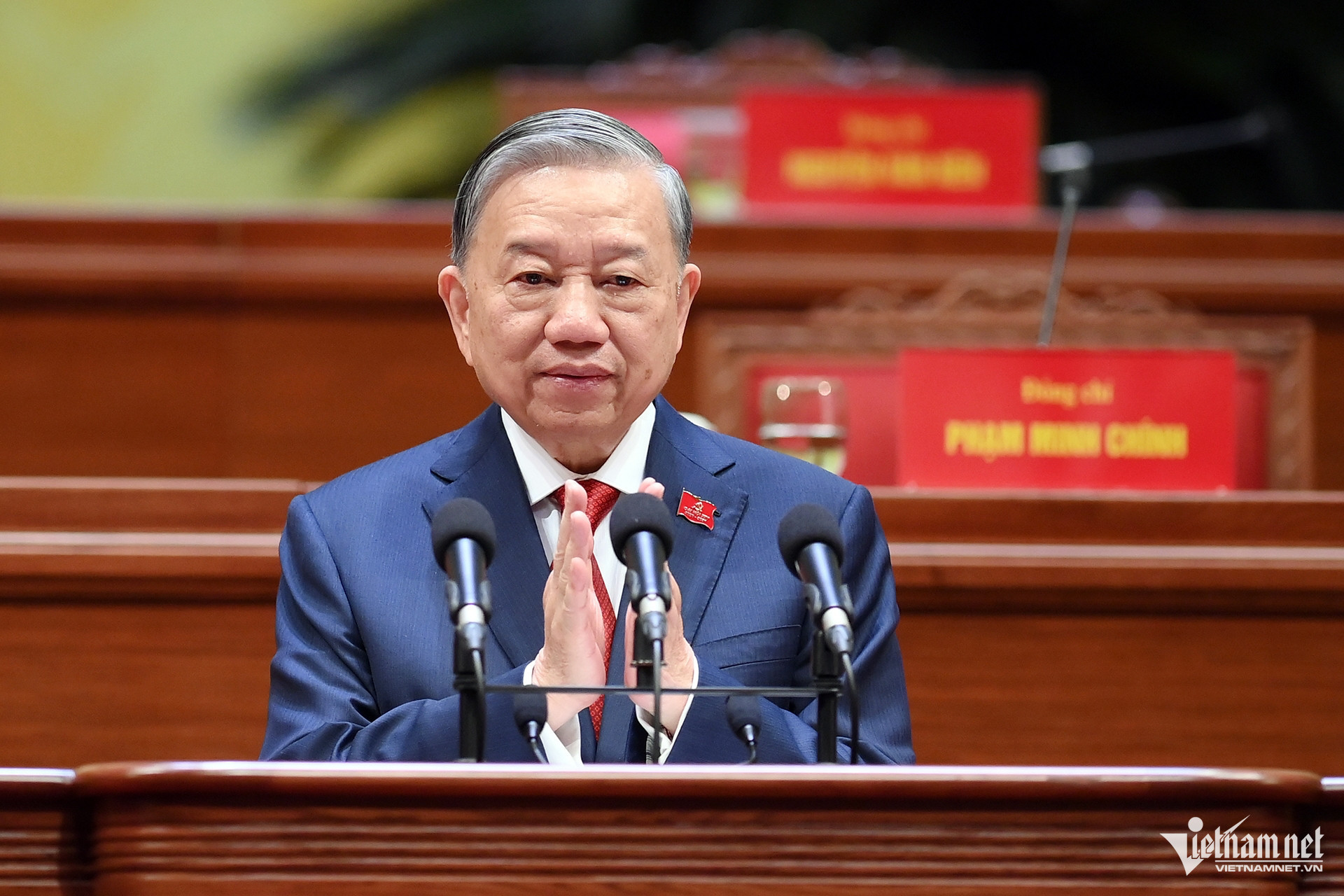
Perhaps the most powerful shift is the Congress’s renewed commitment to social equity-not as ideology, but as action.
In a country where Party legitimacy is deeply tied to the lived realities of everyday citizens, economic growth alone is not enough. What matters is what growth delivers: decent incomes, access to healthcare, quality education, and social security.
The 14th Congress enshrined that ethos in concrete policies-many of which began rolling out as early as 2024. These include:
Universal tuition-free public education from kindergarten through high school.
An ambitious public housing agenda targeting low-income and working-class citizens.
Construction of nearly 250 multi-level boarding schools in remote border communes.
Expanded social pension coverage for elderly citizens.
Increased public health insurance subsidies for vulnerable groups.
Dr. Hoa notes that while such policies are not new in concept, their scale, political backing, and rapid implementation signal a real breakthrough. The most powerful illustration came in 2025, when Prime Ministerial and military leaders were seen on the ground in flood-stricken central provinces-personally inspecting relief efforts and helping rebuild homes damaged by natural disasters.
These images were not just symbolic. They showed a political system ready to deliver-where “serving the people” is no longer just a slogan, but a visible commitment.
The long arc of transformation
Vietnam has entered a critical window for development. With less than a decade before its population begins to age significantly, the country must move fast-and move smart. That requires not only economic agility but political will, strategic clarity, and a governance model capable of earning public trust.
As Dr. Hoa recalls, the Đổi Mới (Renovation) reforms of 1986 were celebrated-but their first real results didn’t arrive until 1989, when Vietnam successfully exported rice for the first time in modern history. The legacy of the 14th Congress may follow a similar trajectory: early disruption, gradual momentum, and eventual transformation.
For now, the signs are promising.
The 14th Congress has delivered three breakthroughs that speak not only to the Party’s evolving thinking but to its readiness to act. In doing so, it has begun to redefine what leadership looks like in Vietnam’s new era-strategic, efficient, and grounded in the needs of the people.
Dr. Dinh Duy Hoa
.svg)
