 Vietnamnet.vn

 Podcast



Passing a family business from one generation to the next is rarely straightforward. Differences in outlook and management style can complicate the transition, leaving successors with the formidable task of safeguarding substantial wealth while taking the business forward.
The pressures of inheriting wealth
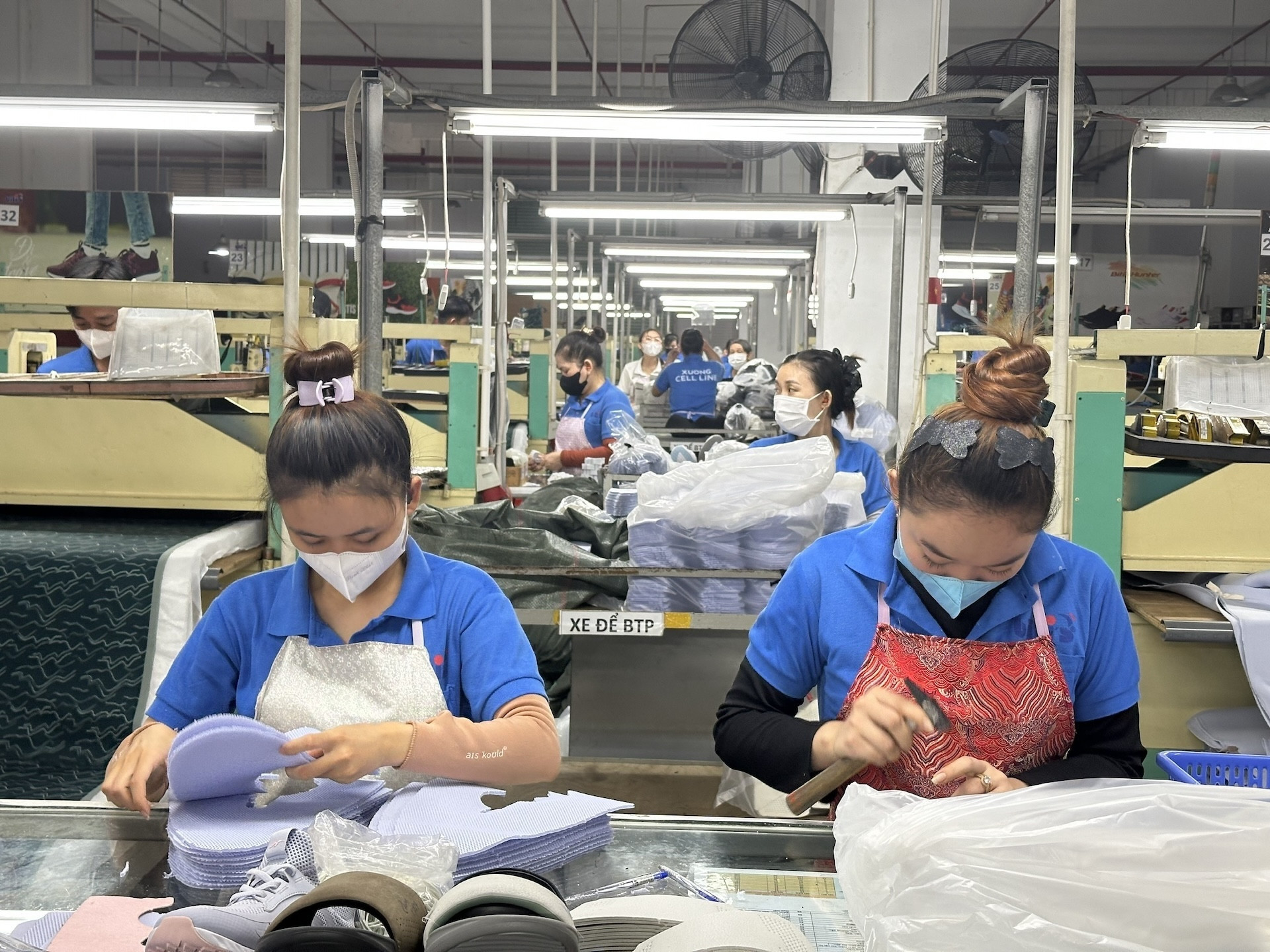
“People often say overcoming hardship is difficult, but overcoming the comfort of privilege can be much harder,” said Vuu Le Quyen, chief executive of footwear company Biti’s, reflecting on her experience of taking over the family business.
Quyen still remembers the moment years ago when her father, entrepreneur Vuu Khai Thanh, gave her two weeks to decide whether to accept the chief executive role.
At the time, she did not want the job. A business with assets worth hundreds of millions of dollars, hundreds of stores and 8,000 employees carried enormous responsibilities. Its corporate culture was also largely driven by fear. Her father was known for his strictness and high expectations of staff. Quyen felt she could neither lead through punishment nor force herself to become someone she was not.
Her mother’s encouragement changed her mind. By taking the role, she could help make working life less difficult for 8,000 people. That appealed to her desire to do something useful for others. Quyen eventually agreed to lead the company and began working to shift its culture from fear to care.
Biti’s introduced programmes to develop skills for happiness, focusing on three connections: with oneself, with others and with nature. The company uses a 118-question survey based on the nine domains of the Gross National Happiness model.
Meetings begin with two minutes of silence. Every Friday afternoon, employees have one paid working hour to practise these skills and share the difficulties they are facing.
Eight years on, Quyen said Biti’s had achieved double-digit revenue growth, improved profits compared with the earlier period and seen employees become more proactive. She stressed, however, that building a happy workplace does not mean disregarding performance or discipline.
Ha Quoc Phong, born in 1992 and now deputy general director of Tan Hoan Cau Electromechanical, described a similar burden. His greatest concern on joining the family business was how to preserve and develop what his parents had spent 20 to 30 years building.
Outsiders may assume that children taking over a family company simply need to avoid ruining what they inherit, he said. In reality, sustaining and growing a business built over decades is far from easy.
After returning from Canada, Phong hoped to bring new knowledge and approaches into the company. But when he put forward a proposal, his father was not convinced: “I don’t think this will work.”
Rather than arguing or trying to persuade his father immediately, Phong would seek to understand the concerns behind the objection and develop a suitable response.
Some of their discussions continued until 1am or 2am. Phong came to appreciate that, although his father might not use modern management terminology, practical experience allowed him to spot risks that younger people could overlook.
The point, he said, was not to use newly acquired knowledge to dismiss established practices, but to understand why the previous generation had made particular decisions.
For Phong, debate gives both generations an opportunity to explain their views and see an issue from the other’s perspective, rather than allowing disagreements to build into conflict.
Modernising without turning generational differences into conflict
For young business leaders, succession means finding ways to change traditional management practices without undermining the foundations they have inherited.
Quyen recalled overseeing the introduction of an enterprise resource planning system at Biti’s around 16 years ago. A month after it went live, numerous complaints emerged. Her father decided to dismiss almost the entire IT team involved in the project, retaining just one person.
Quyen quietly encouraged former team members to continue helping remotely while keeping two systems running in parallel as the problems were resolved. She said the ERP system had since operated reliably for 16 years.
The experience taught her that organisational change requires persistence and the ability to respond to unexpected reactions. Leaders must respect professional expertise, encourage their teams and remain calm when a crisis hits.
Within Biti’s, she also introduced lean manufacturing to reduce material waste. Alongside that, she gradually changed management practices, emphasising skills for happiness to limit less visible sources of waste, such as anger, fear, negativity and internal conflict.
Taking over a company with thousands of employees can offer greater scope for social impact than starting a business with a few dozen people, Quyen said. Yet those born into affluent families face their own challenge: moving beyond the comfort of privilege. Without a clear sense of purpose, they can lose their direction.
Successors therefore need hands-on work experience, a willingness to make mistakes and an understanding of the people working on the front line of the business.
At Duy Tan Group, board vice chairman Tran Duy Minh Dat, born in 1990 and the son of the founder of Duy Tan Plastics, also stressed the importance of clearly separating ownership from management during a generational transition.
Independent board members are another necessary element in improving corporate governance, he said.
Duy Tan is also developing a family office to centralise asset management, manage financial risks and establish development pathways for the next generation.
Future successors may remain in manufacturing, start businesses or choose paths of their own, Dat said. Preparing the next generation therefore involves more than deciding who will take the top job. It also requires governance structures and a direction for development suited to the future.
Thu Ha
.svg)
