 Vietnamnet.vn

 Podcast


Vietnam's first nationwide Culture Day celebrations will focus on meaningful public engagement rather than extravagant performances or costly productions, Deputy Minister of Culture, Sports and Tourism Trinh Thi Thuy has said.
Speaking to VietNamNet ahead of the event, Thuy outlined plans for the November 24 celebrations, alongside proposed reforms to remove institutional barriers facing Vietnam's cultural industries and strengthen the country's cultural influence internationally.
The 2026 celebrations will coincide with National Great Unity Day on November 18, Vietnam Cultural Heritage Day on November 23 and the 80th anniversary of the first National Cultural Conference.
More than 400 cultural activities planned nationwide
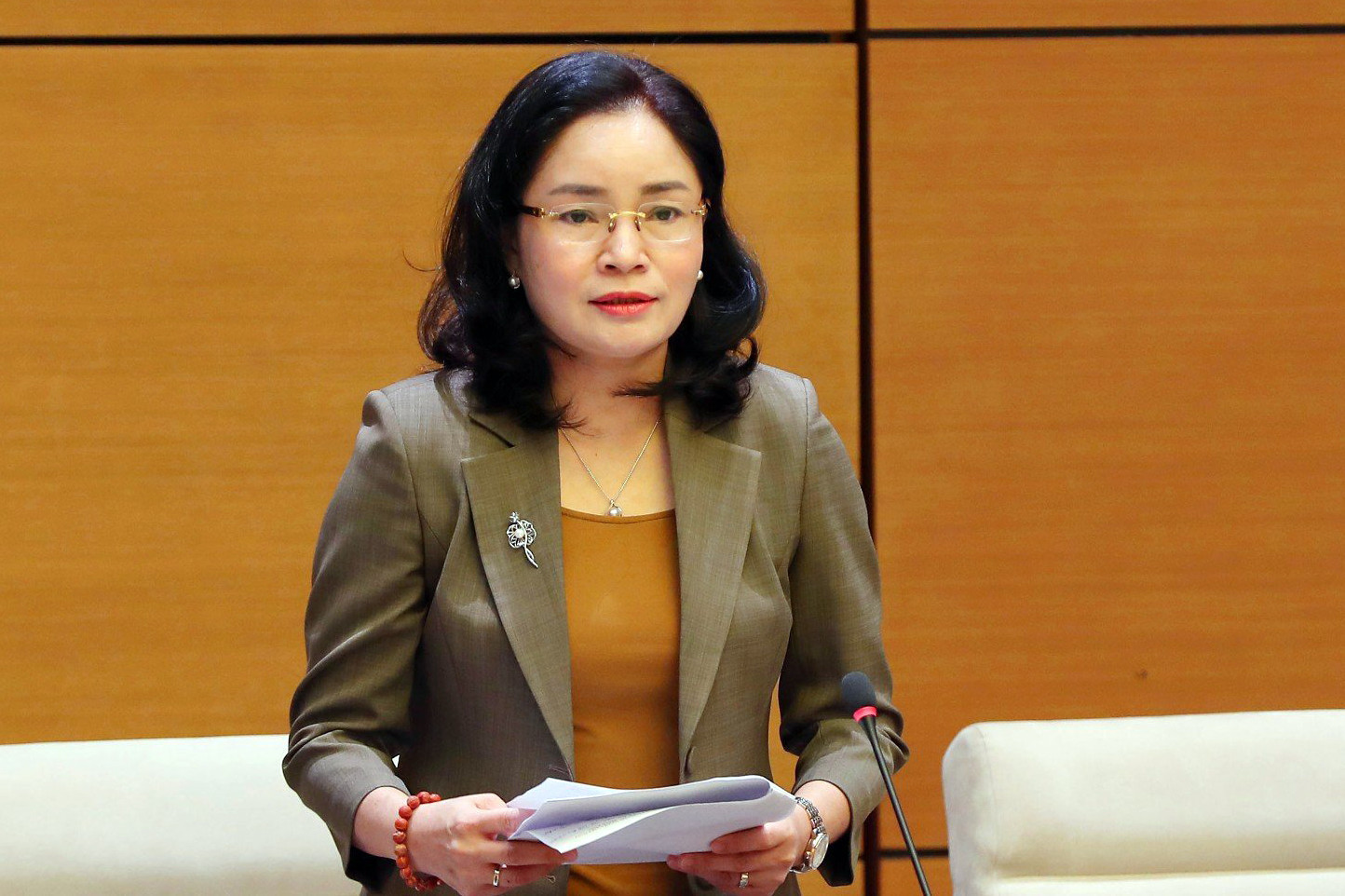
Deputy Minister of Culture, Sports and Tourism Trinh Thi Thuy says culture must become deeply embedded in leadership, governance, business activities and social behavior. Photo: Nguyen Dung
Thuy emphasized that the success of Vietnam Culture Day should not be measured by the size of elaborate stages or the amount of money spent on performances, but by the depth of its impact, lasting public engagement and the sense of national pride it inspires.
She said cost efficiency did not mean cutting essential activities or compromising professional standards. Instead, resources should be directed toward programs that deliver tangible cultural and social value.
The Ministry of Culture, Sports and Tourism has identified three strategic priorities for organizing the celebrations.
The first is to maximize existing resources by using cultural and sports facilities, including community centers, libraries, museums, heritage sites, parks and public squares, as primary venues.
The ministry also plans to mobilize artists, artisans and community performing arts groups to contribute to the activities.
The second priority is to place local communities at the center of cultural development, moving away from large-scale events organized primarily for appearances.
Rather than having the government organize cultural activities for people to passively enjoy, Thuy said authorities should create opportunities for communities to propose, organize and participate in cultural activities themselves.
This approach will extend to villages, residential neighborhoods, government agencies and businesses.
The third priority is to coordinate activities and resources effectively, linking events from November 18 to 24 under the Prime Minister's Directive No. 35/CT-TTg to avoid duplication and unnecessary expenditure.
As of November 5, more than 400 activities had been prepared nationwide, including 282 cultural and artistic events, 36 community sports activities and 85 exhibitions and thematic displays.
The public will be able to visit heritage sites and museums, attend free film screenings and participate in community creative activities.
A major highlight will be the ceremony commemorating the 80th anniversary of the first National Cultural Conference, scheduled for the morning of November 24 at Ho Guom Theatre in Hanoi.
That evening, a special artistic program titled Muon sac Viet Nam, themed "Culture Lights the Way - The Nation in Harmony," will take place at My Dinh National Stadium.
The performance will combine modern stage technology, 3D mapping and digital scenic effects to portray Vietnam's cultural heritage through a contemporary perspective.
Both programs will be broadcast live on VTV1.
Another major initiative is the official launch of Vietnam's Digital Culture Map at cmap.vn, which will integrate real-time searches, geographical coordinates and event information.
The platform is expected to improve public access to cultural activities while helping younger generations explore, engage with and promote Vietnamese cultural identity online.
Four institutional barriers hindering cultural industry growth
Beyond the celebrations, Thuy stressed that developing cultural industries was essential not only for economic growth but also for strengthening Vietnam's national brand and international soft power.
With its rich cultural heritage and growing creative workforce, Vietnam has considerable potential to expand its cultural economy. However, several institutional barriers continue to restrict investment, innovation and the commercialization of cultural products.
Thuy identified four major areas requiring urgent reform.
The first involves improving the legal and policy framework for cultural industries.
Current regulations remain fragmented across multiple sectors, while some policies have struggled to keep pace with emerging creative business models and digital cultural products.
She called for a more coherent legal framework that supports creativity, investment, production, distribution and consumption of cultural goods and services.
Regulatory sandboxes were also identified as an important mechanism for encouraging innovation while maintaining appropriate government oversight.
According to Thuy, developing a dedicated Law on Cultural Industry Development is an urgent priority to unlock resources and support sustainable growth.
The second area concerns financing and investment.
Vietnam needs more flexible public-private partnership mechanisms, financial instruments, venture capital funds and tax and credit incentives tailored to creative industries.
The government should act as a facilitator, helping businesses, investors and creative professionals access resources rather than relying primarily on direct state investment.
The third priority is strengthening intellectual property protection, valuation and commercialization.
Describing intellectual property as the heart of cultural industries, Thuy called for improved mechanisms to value, establish, protect and commercialize copyright and related rights.
A transparent and professional intellectual property marketplace would help safeguard creators' interests, strengthen investor confidence and encourage reinvestment in creative activities.
The fourth priority involves developing market ecosystems and digital cultural infrastructure.
This includes establishing cultural industry centers and national creative complexes while supporting cultural businesses in improving management capabilities, integrating artificial intelligence and big data, strengthening national branding and expanding cultural exports.
Thuy also highlighted the proposed pilot introduction of a National Culture Card as a potential measure to stimulate domestic cultural consumption and improve public access to arts and cultural experiences.
The ministry's approach places creativity at the center of development, with businesses and artists playing leading roles, technology providing the foundation, market demand guiding development and the government acting as an enabler.
These proposals are being studied and incorporated into the draft Law on Cultural Industry Development for consideration by the National Assembly during its ongoing session.
Thuy expressed confidence that the proposed reforms could provide a major boost to Vietnam's cultural industries.
Overseas Vietnamese communities key to promoting national identity
Looking beyond the November 24 celebrations, Thuy said Vietnam Culture Day should generate lasting changes in public awareness and attitudes toward cultural preservation and development.
She emphasized that culture must become an integral part of leadership, governance, business activities and everyday social behavior, serving as a spiritual foundation and an internal source of strength for sustainable national development.
The ministry hopes to encourage families to nurture positive cultural values, communities to promote solidarity and cultural participation, and organizations and businesses to take a more active role in creating and preserving cultural traditions.
Thuy also highlighted the important role of overseas Vietnamese communities in preserving national identity and promoting Vietnamese cultural values internationally.
She described overseas Vietnamese as vital bridges connecting the country's cultural heritage with the wider world through cultural exchange and international engagement.
The deputy minister called for greater efforts to strengthen cultural awareness, national pride and a spirit of contribution among Vietnamese people at home and abroad.
She expressed hope that when cultural values are nurtured within families, shared across communities and embraced by Vietnamese people worldwide, they will become an enduring source of national strength and help the country advance in a new era.
Tinh Le

