 Vietnamnet.vn

 Podcast



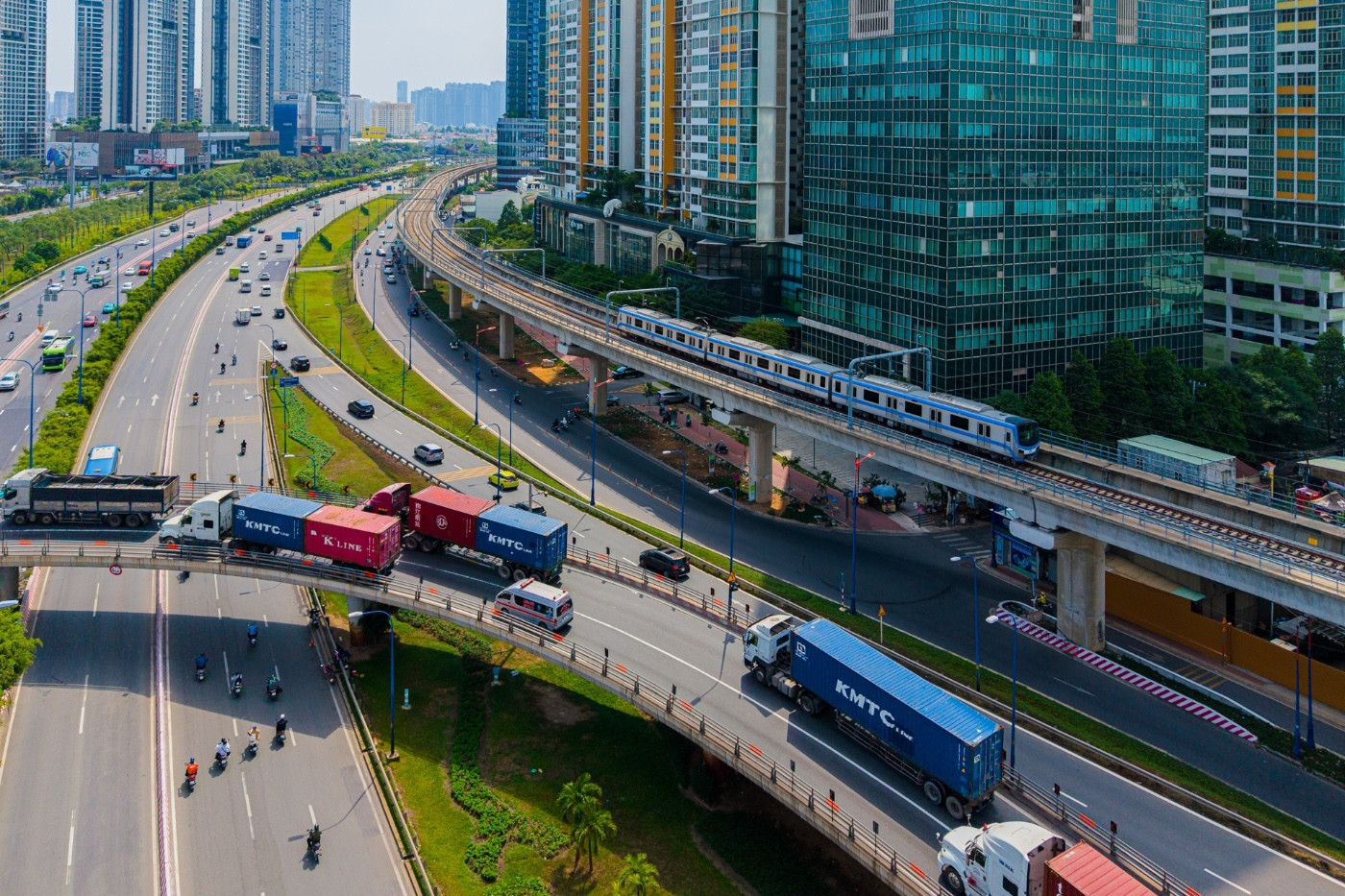
GDP surges, income levels rise
According to the General Statistics Office, Vietnam’s gross domestic product grew by an estimated 8.02% in 2025 compared to the previous year. This growth rate ranks among the highest in the world, far surpassing that of both developed and developing nations.
At this pace, Vietnam’s nominal GDP in 2025 is projected to exceed VND 12.8 quadrillion (approximately USD 514 billion, based on the average exchange rate of 24,976 VND/USD), up USD 38 billion from 2024.
The country’s GDP per capita also saw a sharp rise, reaching VND 125.5 million (around USD 5,026), an increase of USD 326 from 2024. The previous year already marked significant progress, with GDP per capita at VND 114 million (USD 4,700).
In 2024, under the World Bank’s latest income classification (for the fiscal year from July 2023 to July 2024), Vietnam had not yet made it into the upper-middle income group. Thailand and Indonesia had already reached that bracket, with per capita incomes of USD 7,100 and USD 4,910 respectively, while the Philippines stood at USD 4,470.
The World Bank classifies economies based on gross national income (GNI) per capita - not GDP. GNI includes GDP plus net income from abroad, such as remittances and overseas investments.
While Vietnam’s official GNI figure for 2025 has not been released, the strong GDP growth, combined with positive trends in foreign direct investment, remittance inflows, and capital returns, suggests that GNI per capita likely increased significantly. Assuming exchange rates remain relatively stable, Vietnam is believed to have effectively crossed the World Bank’s upper-middle income threshold.
A new chapter for Vietnam’s economy
The latest data underscores Vietnam’s remarkable journey. Once categorized as a low-income economy for decades, the country has transformed itself and is now on the cusp of higher income status.
This achievement reflects more than just fast GDP growth. It is also the outcome of long-term structural reforms, proactive global integration, robust foreign investment inflows, and a gradual shift toward a more service- and industry-driven economy. The steady rise in both GDP and GNI per capita suggests a maturing economy with a growing middle class and a more sophisticated labor force.
In an earlier interview with VietNamNet, Dr. Can Van Luc, Chief Economist at BIDV and a member of the Prime Minister’s economic advisory group, projected that if Vietnam maintains an average GDP growth rate of 9% between 2026 and 2030 - and 8% from 2031 to 2045 - its GNI per capita could reach USD 22,600 by 2045.
However, he emphasized that Vietnam doesn’t need to chase double-digit growth at any cost to become a high-income country by 2045, as targeted. Instead, the focus should be on sustainable and inclusive development, with macroeconomic, political, and environmental stability as top priorities.
Luc recommended keeping inflation below 5%, budget deficits within 4–4.5%, and public debt under 60% of GDP in all scenarios. He warned against sacrificing environmental protection or macroeconomic balance in pursuit of short-term gains.
“To get there, we must prioritize structure, quality, and efficiency in our growth model,” he said. “For example, the agriculture sector should be maintained at a reasonable share of the economy to ensure food security while also improving product quality and value. Meanwhile, the industrial and service sectors must be well-calibrated to ensure overall balance.”
Vietnam’s road ahead requires a decisive shift from quantity-driven to quality-driven growth - focusing on productivity, innovation, and high technology. Escaping the “middle income trap” will be the country’s next major test on the path to sustainable prosperity and global competitiveness.
Manh Ha
.svg)
