 Vietnamnet.vn

 Podcast



The flexibility in monetary, credit, and exchange rate policy - combined with bold institutional reforms - has fueled a strong recovery of the private sector in Vietnam.
The year 2025 also marked significant progress in international financial integration, with the Vietnamese stock market upgraded by FTSE Russell to “Emerging Market” status, paving the way for billions of dollars in future capital inflows.
Gold reaches historic highs

Gold prices in 2025 saw one of the most explosive growth cycles in years. By the end of November, international spot gold surged to USD 4,220 per ounce, up nearly 61% from the start of the year, nearing the all-time high set in October. This reflected a volatile global environment: a weakening USD due to looser U.S. monetary policy, persistent inflation in major economies, and prolonged geopolitical and trade tensions.
In Vietnam, gold had a “red-hot” year. SJC gold bars rose from VND 84 million per tael at the end of 2024 to a peak of VND 154.9 million (approx. USD 6,300) in November. In October, scenes of people lining up to buy gold in all forms pushed free market prices as high as VND 160–170 million per tael (USD 6,500–6,950), with spreads reaching VND 13–20 million above international levels.
However, after this feverish spike, domestic gold prices quickly stabilized thanks to timely regulatory intervention and flexible adjustments by private gold traders. At many small retail outlets, prices are now more aligned with global rates based on black market exchange rates, averaging around VND 142–143 million per tael (approx. USD 5,800–5,850). This signals the market’s improved ability to self-regulate and avoid speculative extremes seen in previous years.
Stock market surges with private sector leaders in spotlight

Vietnam’s stock market began 2025 with a wave of optimism and sustained a powerful upward trend for months. The VN-Index climbed 33.5% year-to-date to 1,691 points by November’s end, briefly nearing 1,800 points - a remarkable performance outpacing many other emerging markets. Liquidity surged, domestic capital dominated, and investor sentiment remained strong amid low interest rates, robust credit growth, and corporate profit recovery.
One of the brightest highlights was the rise of leading private enterprises, particularly the Vin group ecosystem. VIC shares soared 6.5 times within just eight months, becoming a magnet for capital and reflecting investor enthusiasm for the conglomerate’s bold expansion into industry, technology, energy, and infrastructure.
Still, the market faced sharp corrections in Q4 due to profit-taking pressures and the impact of leverage. Many stocks dropped 20–50% from their peaks. Yet, 2025 remains a landmark year overall for the Vietnamese stock market. The FTSE Russell upgrade fuels expectations that foreign capital will return more strongly in 2026, supporting Vietnam’s shift toward a greener, more sustainable economy.
Real estate remains hot, but growth is now under control
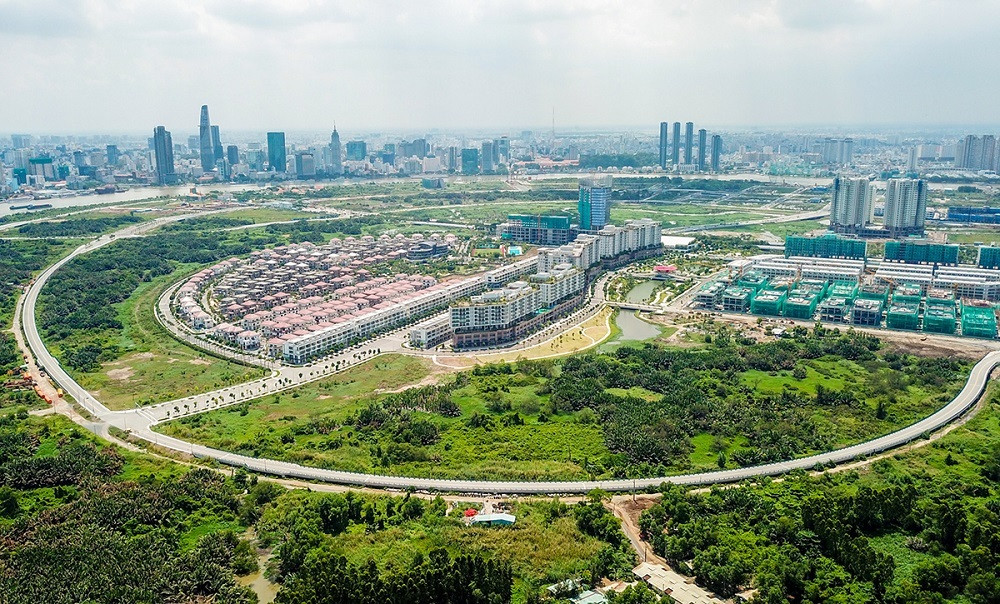
Vietnam’s real estate market stayed active throughout 2025, especially in Hanoi and Ho Chi Minh City, where average apartment prices reached VND 80–90 million per square meter (approx. USD 3,250–3,650). Demand was fueled by rapid urbanization, slow supply growth, and capital flowing into safe-haven assets.
However, a series of new policies implemented in 2025 helped transition the market from unchecked growth to more controlled expansion. The government accelerated project approvals, resolved longstanding legal hurdles, and promoted social housing - boosting supply and reducing excessive price pressure.
On the credit side, banks tightened lending to risky projects, focusing instead on manufacturing, business, and healthier real estate segments. This led to a slowdown in the apartment and land plot markets in late 2025. Interbank interest rates rose to 5–6%, while deposit rates also inched up. These adjustments helped the market avoid a dangerous asset bubble, laying a more sustainable foundation for future growth.
Industrial real estate continued to shine. Multinational supply chain shifts to Vietnam drove high land lease demand in provinces like Bac Ninh, Hai Phong, Quang Ninh, Dong Nai, and Binh Duong. The year also saw numerous new industrial zones breaking ground, reinforcing Vietnam’s growing role in global value chains.
Exchange rate remains stable amid global turbulence
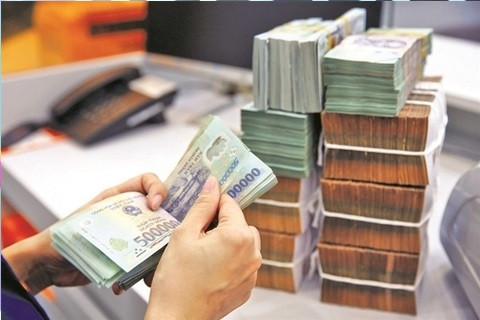
One of the most notable achievements in 2025 was Vietnam’s stable exchange rate management in a volatile world. By late November, the central reference rate had risen only 3.4% year-to-date, within the State Bank of Vietnam’s (SBV) target range. Commercial bank rates hovered between VND 26,162–26,412 per USD, showing a relatively balanced foreign currency supply-demand dynamic.
The black market saw more volatility, especially in October when the USD rose 7.3% year-to-date - partly due to widening gaps between domestic and global gold prices. In response, the SBV sold USD via 180-day forward contracts at reasonable rates, helping banks balance forex positions and reduce speculation, stabilizing market psychology.
Looking ahead, the exchange rate is expected to cool down as the U.S. Fed may cut interest rates, remittance inflows increase, and financial market confidence strengthens.
A pivotal year for Vietnam’s growth journey
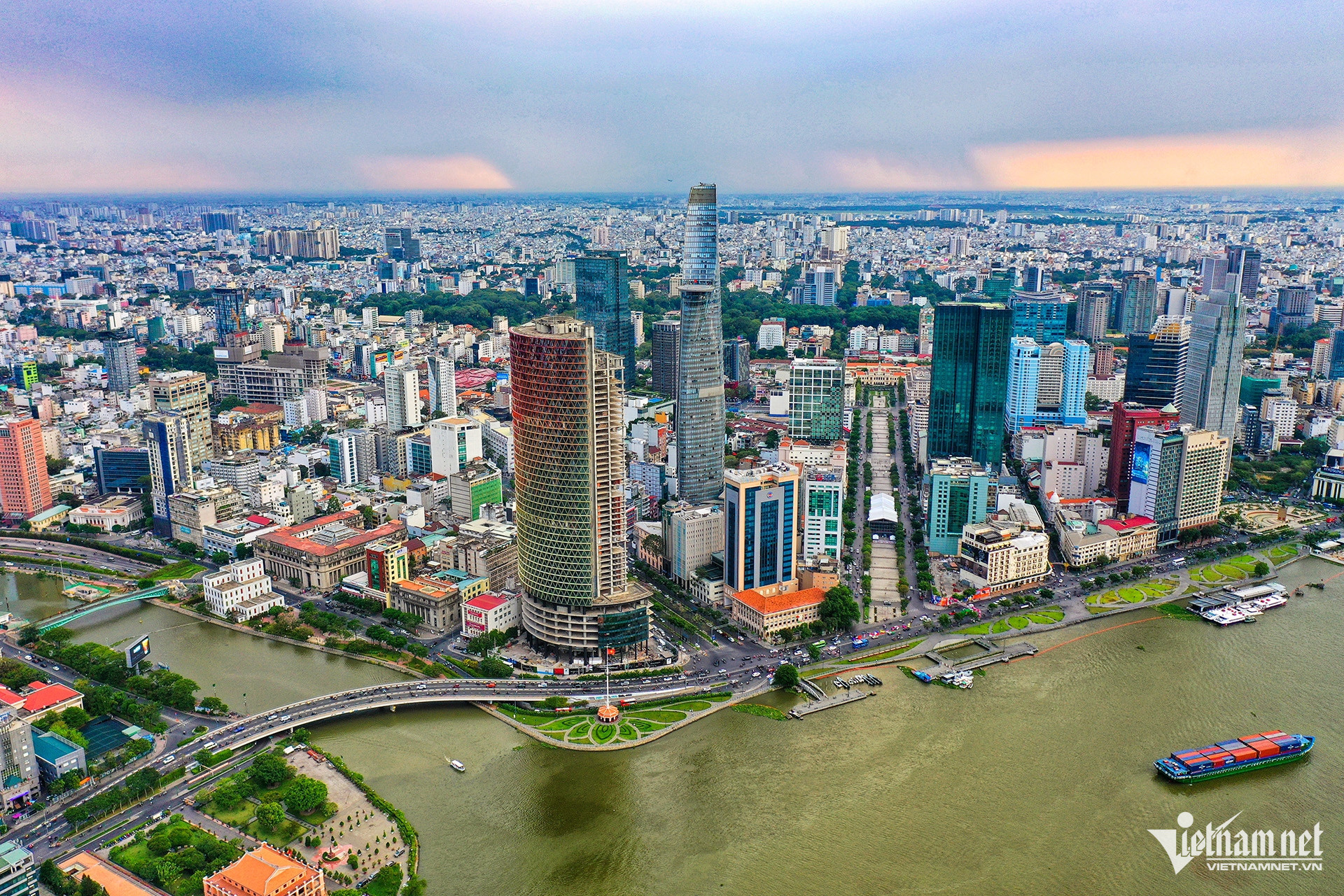
With standout achievements in governance, reform, and investment attraction, 2025 stands as a milestone year marking Vietnam’s entry into a new growth cycle. Although gold, stock, and property markets experienced phases of volatility, capital flows and investor sentiment largely reflected deep confidence in Vietnam’s economy.
This year’s growth momentum was not merely a post-pandemic rebound but the result of institutional transformation, production capacity upgrades, tech advancement, and the rising ambition of Vietnamese enterprises.
Together, these form the vital foundation for Vietnam to sustain strong performance in the coming years, moving toward a phase of rapid and resilient development.
Manh Ha
.svg)
