 Vietnamnet.vn

 Podcast



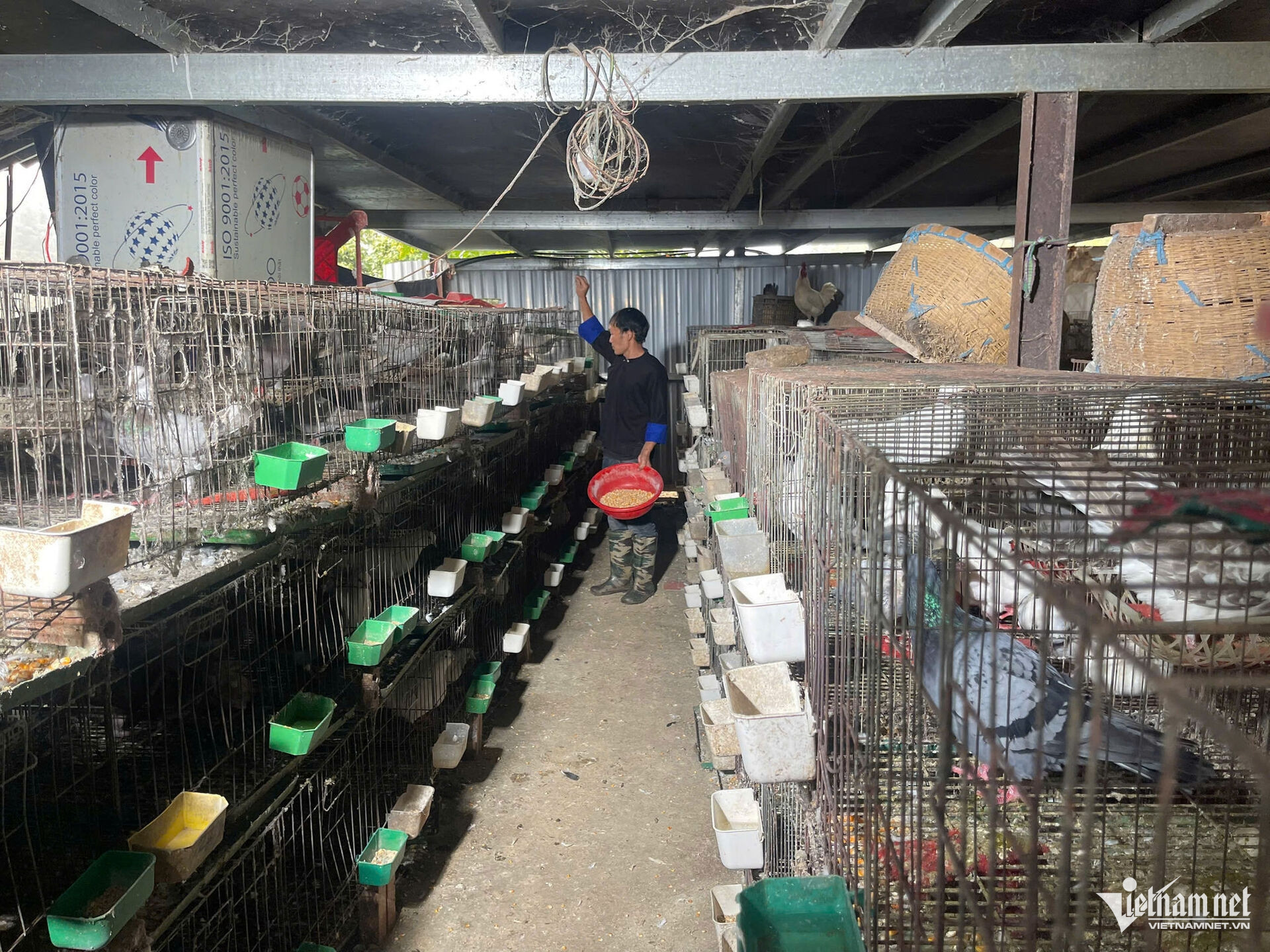
Working every day, but income still comes and goes
Ho Thi Binh, a Bru-Van Kieu woman from K-Ret Village in Dan Hoa Commune, Quang Tri Province, and her husband take whatever work they can find to support their four young children, from harvesting corn and clearing weeds to working at local production facilities.
Also in Dan Hoa, Ho Thi Bon regularly works cutting acacia trees for hire. The work is physically demanding but irregular. When no one is hiring, her family’s income stops as well. Both women hope to gain access to capital and technical knowledge so they can raise livestock and grow crops, creating additional sources of income at home.
By the statistical definition of employment, neither Binh nor Bon is unemployed. Yet their jobs come without contracts or insurance and depend heavily on the season. A prolonged spell of rain, a drop in agricultural prices or an illness in the family can immediately destabilize their livelihoods.
Dan Hoa does not lack people willing to work. What it lacks are jobs stable enough for workers to anticipate their income and build savings.
According to the 2024 survey on the socioeconomic conditions of Vietnam’s 53 ethnic minority groups, around 7.2 million ethnic minority people aged 15 and older were employed, equivalent to 68.7%. The employment rate was 72.9% among men and 64.2% among women, while 87.1% of those employed lived in rural areas.
Labor force participation is substantial, but having a job does not necessarily mean being able to make a living from it.
Only 14.9% of employed ethnic minority workers have received vocational or professional training. Elementary occupations account for 50.6% of employment, while high- and mid-level technical and professional occupations together represent just 4.4%.
Notably, 62.9% of ethnic minority workers remain employed in agriculture, forestry and fisheries. Such heavy dependence on sectors directly exposed to weather, disease and fluctuations in agricultural prices leaves incomes particularly vulnerable.
Around two-thirds of ethnic minority workers are either self-employed or family workers. Unpaid family workers account for 28.1%, while only 0.8% are owners of production or business establishments.
Among ethnic minority women, the share working as family labor reaches 38.9%, 2.1 times the rate among men. They plant crops, tend livestock, harvest and process products, yet much of this work is never recorded as income of their own.
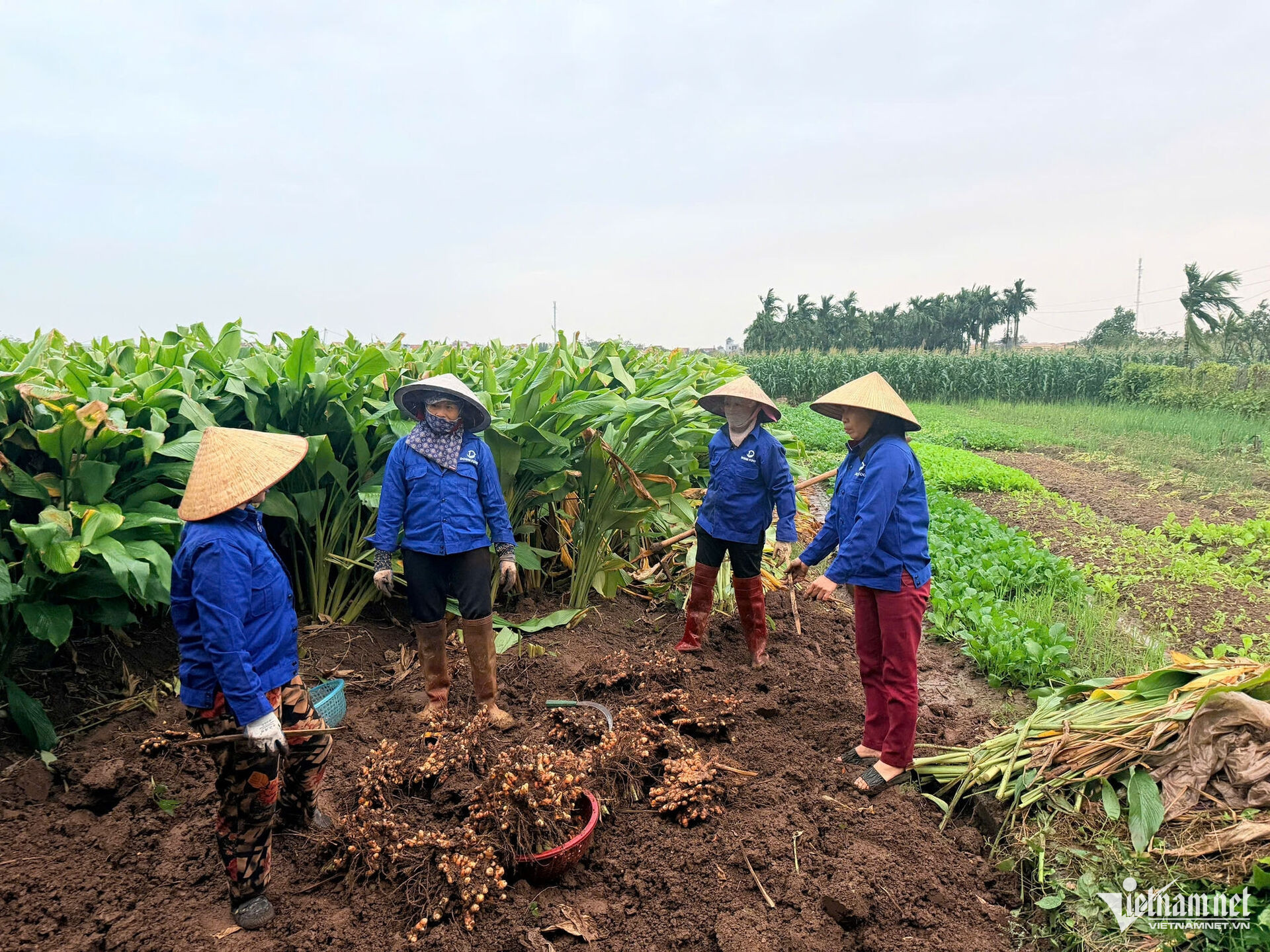
A review of the 2021-2025 National Target Program for Socioeconomic Development in Ethnic Minority and Mountainous Areas, known as National Target Program 1719, found that average annual income among ethnic minority people reached VND43.4 million ($1,650) per person by the end of 2024, 3.1 times the 2020 level. Even so, livelihoods remain fragile when people sell raw products, lack purchasing contracts and have to bear the risks themselves.
The experience of Ho San, a Bru-Van Kieu man from Xuan Tien Village in Truong Son Commune, illustrates how uncertainty can affect even relatively organized employment. He once earned a stable income from forest protection work.
But since July 1, 2026, he and many other workers have had to temporarily stop working because of a funding shortage.
At the beginning of 2026, the management authority signed contracts with 58 households to protect more than 5,800 hectares of forest. The work required more than VND7.1 billion ($270,000) in funding, but only just over VND2.6 billion ($99,000) was allocated.
With the contracts interrupted, San does not yet know what work he will turn to next.
By contrast, the family of Dinh Thi Hien in Go Nghenh Hamlet, Dang Thuy Tram Commune, Quang Ngai Province, has diversified its income by combining acacia cultivation, beekeeping and contracted forest protection.
In Quang Tri, after the first year of a climate-resilient agricultural livelihoods project, 13 livelihood groups were established involving 140 households, most of them ethnic minority women. Women’s incomes increased by an average of 45%.
The results show that access to capital is most effective when combined with technical knowledge, organized production and reliable markets.
From one-off assistance to an employment policy chain
A paper presented by the Department of Policy under the Ministry of Ethnic and Religious Affairs at the scientific conference “Tasks and solutions for job creation, service development and sustainable labor connectivity in ethnic minority and mountainous areas for 2026-2035” found that existing policies already cover many areas, from vocational training and livelihood assistance to credit and entrepreneurship.
The weakness is that these policies remain fragmented: training does not always lead to employment, while livelihood assistance does not always come with market access.
Some households receive seedlings or livestock but lack technical knowledge. Others receive vocational training but find no employers hiring for their new skills. Some are able to produce goods but lack processing facilities and markets where they can sell them.
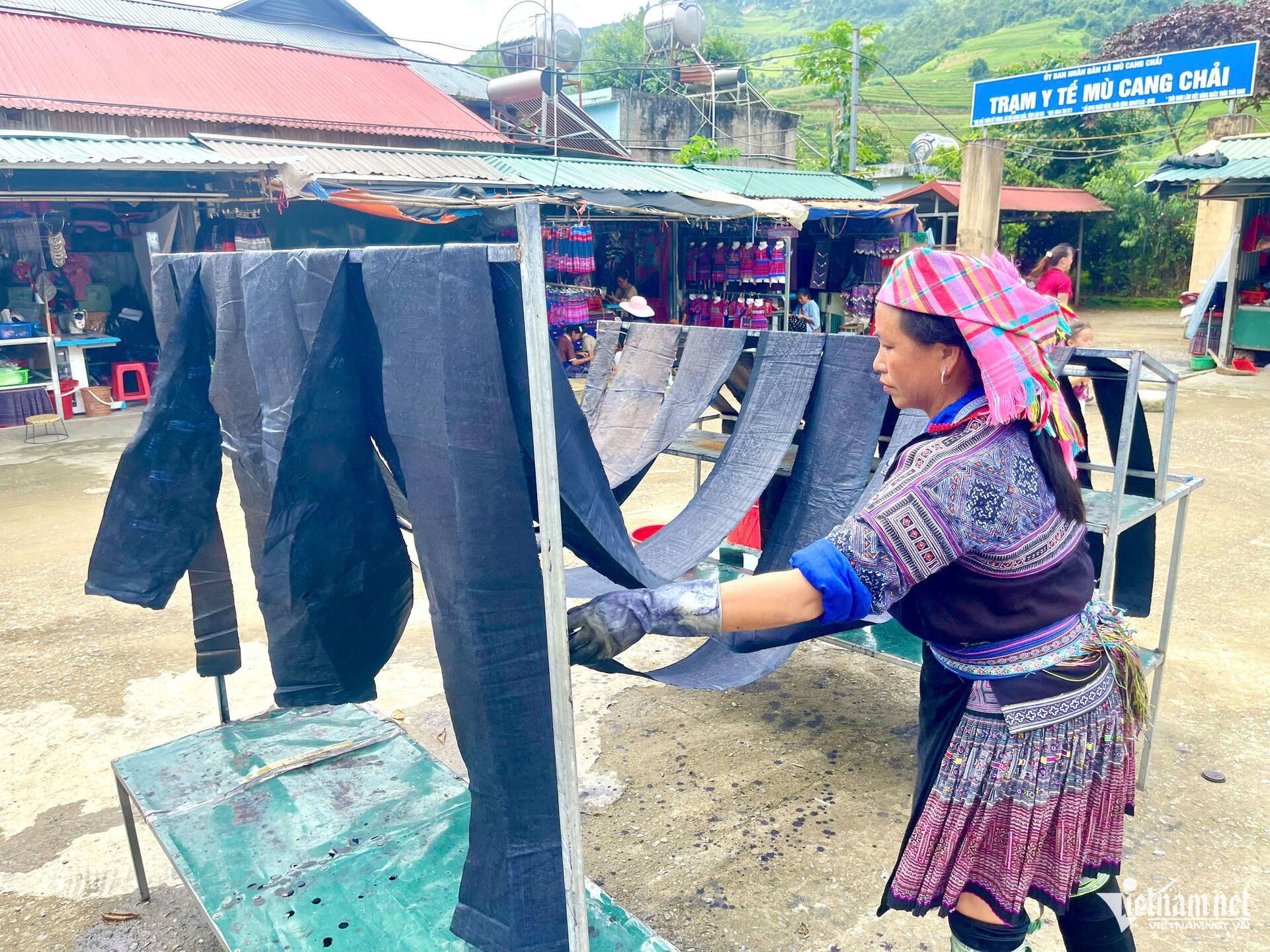
The scale of support has expanded, but the number of training courses, participants or counseling sessions does not reveal how long those jobs lasted or how much workers’ incomes ultimately changed.
In the next phase, policies need to be connected into a continuous chain: career guidance, training, capital, production organization, markets, income and social protection.
For self-employed livelihoods, authorities need to track net income, purchasing contracts and whether the livelihood can be sustained for 12 to 24 months after assistance is provided.
For salaried workers, the measures should include the employment rate after training, job retention after six or 12 months, income levels, employment contracts and social insurance coverage.
Indicators should also be broken down by gender so that women’s work does not continue to remain invisible.
The Ministry of Ethnic and Religious Affairs is finalizing a project on job creation, service development and sustainable labor connectivity in ethnic minority and mountainous areas for 2026-2035.
This is the moment to shift the focus from counting how many people are working to measuring the quality of life their jobs actually provide.
With 7.2 million ethnic minority people employed, the crucial question is whether their jobs generate enough income to live on, allow them to build savings and continue beyond a single agricultural season or assistance cycle.
Only when those questions can be answered with tangible results can employment truly become the foundation of sustainable livelihoods.
National Target Program 1719 alone supported 1,901 vocational training models involving 115,575 workers between 2021 and 2025. Another 5,385 people received support with skills, foreign languages and procedures for overseas employment, while 37,718 were given advice on job opportunities abroad.
Hoang Quy
.svg)
