 Vietnamnet.vn

 Podcast



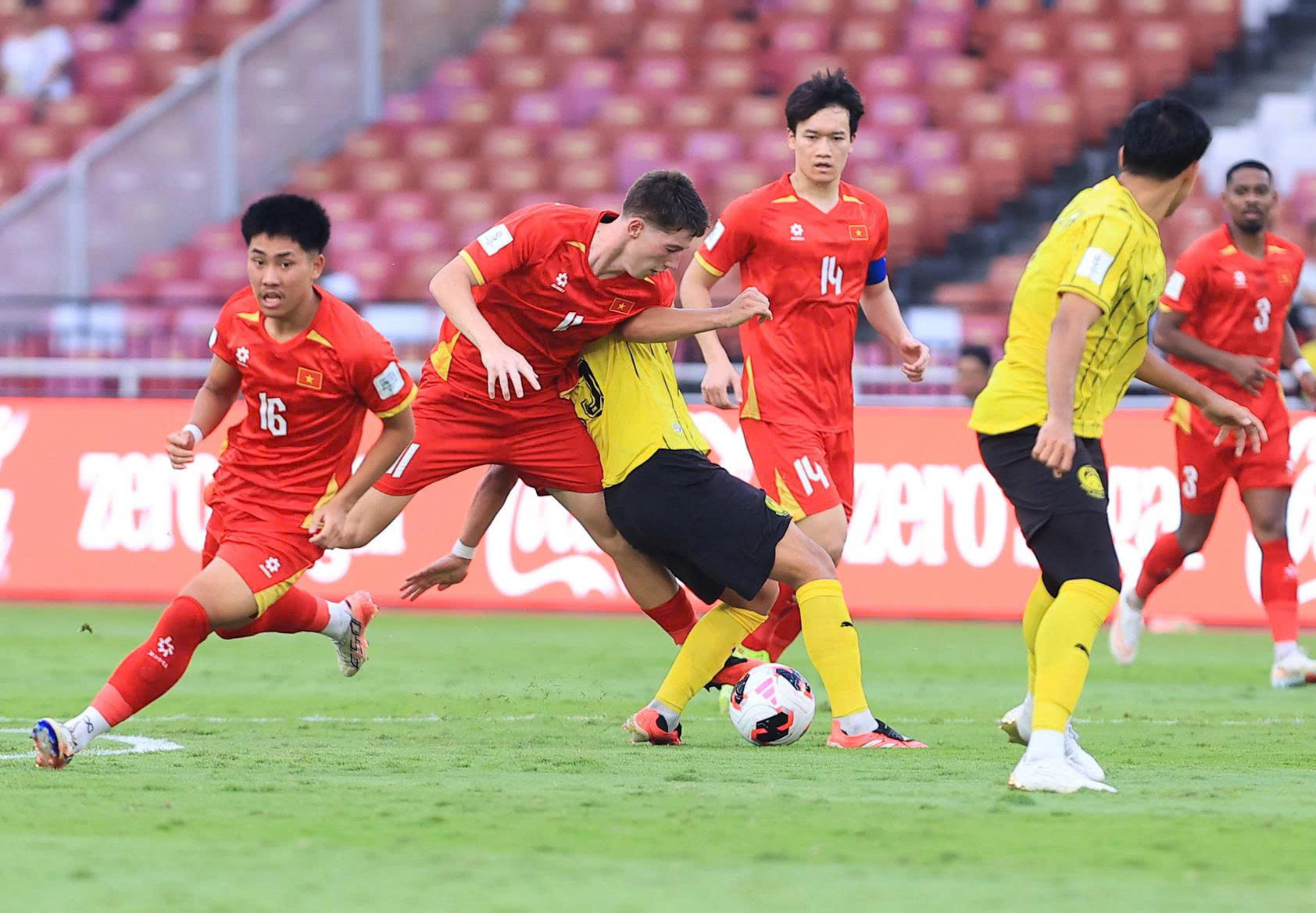
A defeat that should not come as a shock
Vietnam's disappointing campaign at the FIFA ASEAN Cup 2026 was not entirely unexpected.
Head coach Kim Sang-sik entered the tournament with a squad facing several personnel challenges.
Players had endured a demanding schedule with little recovery time, many key figures were below their best physical condition, and the injury list continued to grow both before and during the competition.
After Vietnam's defeat to Malaysia, vice-captain Nguyen Dinh Bac made a simple but important observation: no team can win forever.
His acknowledgment was entirely reasonable, particularly given that the participating teams had prepared more thoroughly, approached the competition more seriously and demonstrated greater ambition than in the ASEAN Cup.
Vietnam's fourth-place finish was undoubtedly disappointing, but it should not be treated as a catastrophe.
An unsuccessful tournament needs to be viewed with greater perspective, especially at a time when Vietnam appear to have lost some momentum while their regional opponents are making significant changes.
What should Vietnam really be worried about?

Vietnam's FIFA ASEAN Cup failure does not need to be dramatized. Losing a tournament is not, in itself, something to fear.
The more troubling question is whether supporters and coach Kim Sang-sik are prepared to acknowledge that Vietnam may no longer be the strongest or most complete team in Southeast Asia, despite having recently defended their ASEAN Cup title.
What happens if Kim and the fans continue to believe that the disappointing FIFA ASEAN Cup 2026 campaign was merely an unfortunate accident, caused by injuries, missing players or bad luck?
Such thinking could lead the national team in the wrong direction.
Rather than recognizing that their regional rivals are improving, or demonstrating the quality they have possessed for years, Vietnam might continue to look for explanations that allow them to avoid confronting their own shortcomings.
The concern is not simply that Vietnam may still regard themselves as Southeast Asia's leading footballing power.
It also lies in Kim Sang-sik's own tendency to play it safe.
His decision to rely heavily on established players who were already showing signs of fatigue after the ASEAN Cup is a case in point.
The beginning of a new tournament should have offered an opportunity to experiment more boldly, broaden the pool of available players and prepare the team for challenges further ahead.
Instead, Vietnam remained heavily dependent on a familiar core of players.
Kim did give opportunities to newcomers such as Adou Minh, Minh Hoang and Khoa Ngo, but introducing a handful of fresh faces does not necessarily amount to a genuine transition.
To inject new energy into the national team, the South Korean coach needs to be more adventurous with his squad selections and accept that some experiments will not produce immediate results.
Most importantly, Kim must create genuine competition for places within the national team, even if that means accepting the occasional defeat along the way.
Vietnam undoubtedly remain a formidable force in Southeast Asian football.
But the game continues to evolve, and the methods that brought Kim Sang-sik success in the past will not necessarily provide the formula for future victories.
That is why Vietnam's disappointing FIFA ASEAN Cup campaign should neither be exaggerated into a crisis nor dismissed as an isolated setback.
It should serve as a wake-up call for both the national team and its head coach.
If Vietnam want to go further, reach greater heights and achieve lasting success, they must be willing to evolve, make changes and adjust their approach.
Duy Nguyen
.svg)
