 Vietnamnet.vn

 Podcast



Fiscal resilience amid global volatility
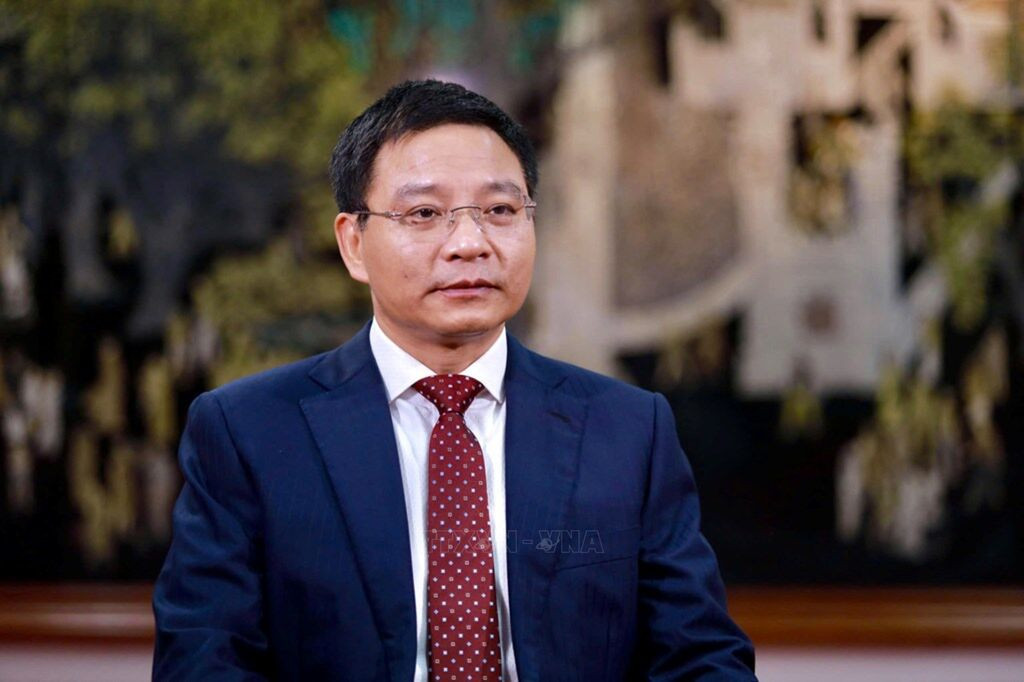
Reviewing the past five years, Minister Thang emphasized that public finance and state budget management were carried out under challenging global and domestic conditions.
Yet, thanks to the leadership of the Party, National Assembly, and Government - along with proactive, flexible, and effective governance from the Ministry of Finance - Vietnam not only met but exceeded its key fiscal targets for 2021–2025.
Financial resources were managed and mobilized with increasing efficiency, supporting national socio-economic development goals.
Eight standout achievements in public finance
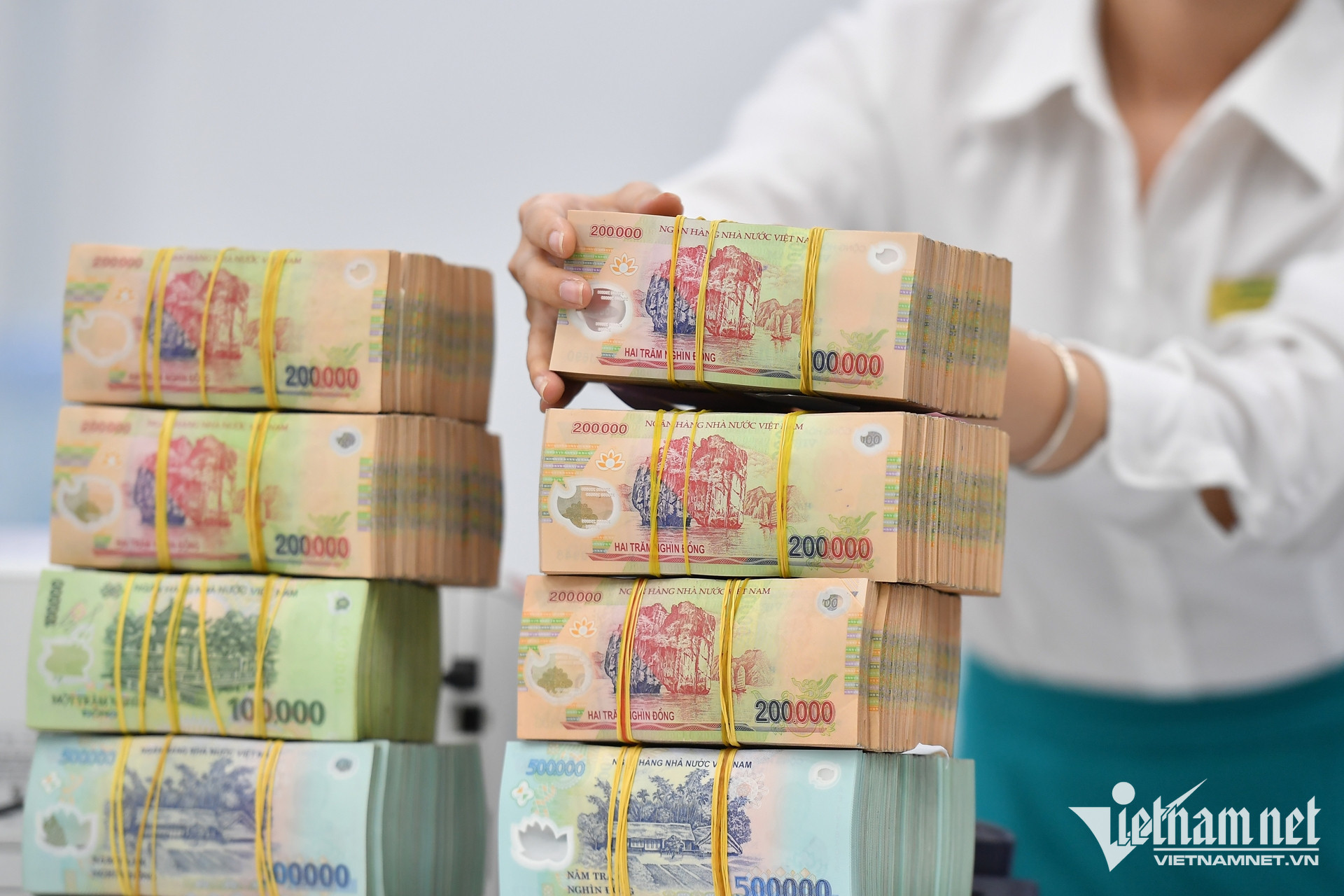
First, the Ministry promptly advised and implemented fiscal policies and planning that promoted economic growth while ensuring macroeconomic stability. The average budget deficit from 2021 to 2025 was contained at 3.1–3.2% of GDP, with public debt controlled at 35–36% of GDP, enhancing Vietnam’s sovereign credit rating.
Second, legal frameworks for finance and public budgeting were significantly improved. Between 2021 and 2025, the Ministry submitted 32 laws and resolutions to the National Assembly and Standing Committee, issued 168 decrees, and passed 436 circulars. These efforts targeted bottlenecks, promoted decentralization, and reduced red tape.
Third, tax administration was strengthened, with budget revenue restructured for sustainability. The five-year average state budget revenue reached about 18.3% of GDP, while over USD 44 billion in taxes and fees were waived, reduced, or deferred to support businesses and citizens during and after the pandemic.
Fourth, the Ministry generated additional fiscal space by increasing revenue and cutting expenditures, saving around USD 60 billion. These funds were redirected toward development investment, defense, science and technology, wage reform, social welfare, housing programs in remote areas, and school construction in border regions.
Fifth, development investment spending was boosted to 32% of total state expenditures, focused on strategic infrastructure projects with high impact.
Sixth, Vietnam’s investment climate continued to improve. The country now has over one million active enterprises, up more than 46% from 2020. Total social investment during 2021–2025 reached 32.2% of GDP, with the private sector and state-owned enterprises contributing over 65%.
Seventh, Vietnam remained a top destination for foreign investment, ranking among the 15 developing countries attracting the most FDI globally. FDI accounted for about 16% of total social investment.
Eighth, capital markets grew sustainably and became vital channels for long-term financing. By the end of 2025, Vietnam’s bond market was valued at roughly USD 157 billion (30.7% of GDP), while stock market capitalization neared USD 400 billion (77.9% of GDP). In 2025, the stock market was officially upgraded from frontier to emerging market status.
Finally, the Ministry actively promoted regional economic development and emerging economic models, helped develop international financial centers and free trade zones, and coordinated closely on social welfare policies to align economic growth with equity and progress.
Sustaining macroeconomic stability and high growth
Looking ahead, Minister Thang said the Finance Ministry will focus on a broad, targeted fiscal policy to stabilize the macroeconomy and pursue fast, sustainable growth.
The central budget will play a leading role, while encouraging autonomy and innovation from ministries and local governments. Fiscal policy will be closely aligned with monetary policy to maintain stability and support double-digit GDP growth and a shift in development models.
Revenue and expenditure management will be further strengthened, ensuring accurate, timely, and sufficient collection while nurturing long-term revenue streams. The Ministry aims to maintain average state budget mobilization at 18% of GDP for 2026–2030, increase development investment to 40% of total expenditures, and carefully manage public debt in line with repayment capacity, improving Vietnam’s credit rating.
Strategic plans for markets, business, and investment
The Ministry will continue improving fiscal institutions and laws, advancing digital transformation, streamlining administrative procedures, and enhancing oversight.
State-owned enterprises will be restructured to play a pioneering role in key industries and strategic sectors.
Meanwhile, the private sector will be promoted vigorously under Resolution No. 68-NQ/TW, with a goal of two million active enterprises by 2030. Vietnam also aims to lead ASEAN and Asia in technological innovation and digital transformation.
Capital markets, particularly the stock exchange, will serve as key sources of medium and long-term financing. The Ministry will harness the stock market’s upgraded status, while building legal frameworks for new trends such as digital assets, green finance, and digital transformation.
Crucially, Vietnam will adopt a selective approach to FDI, prioritizing large-scale, high-tech, and environmentally friendly projects. The goal is to enhance linkages between domestic and FDI firms, enabling deeper integration into global value and supply chains.
Tran Thuong
.svg)
