 Vietnamnet.vn

 Podcast



Vietnam's industrial parks can no longer limit themselves to providing manufacturing space. Instead, they must evolve into integrated ecosystems that combine technology, innovation, logistics, green energy and a highly skilled workforce to attract high-value foreign investment.
That was the central message at the Vietnam Industrial Park Summit 2026, an annual international conference and exhibition held in Hai Phong on July 10 under the theme "Developing Vietnam's industrial parks in line with national industrial growth objectives."
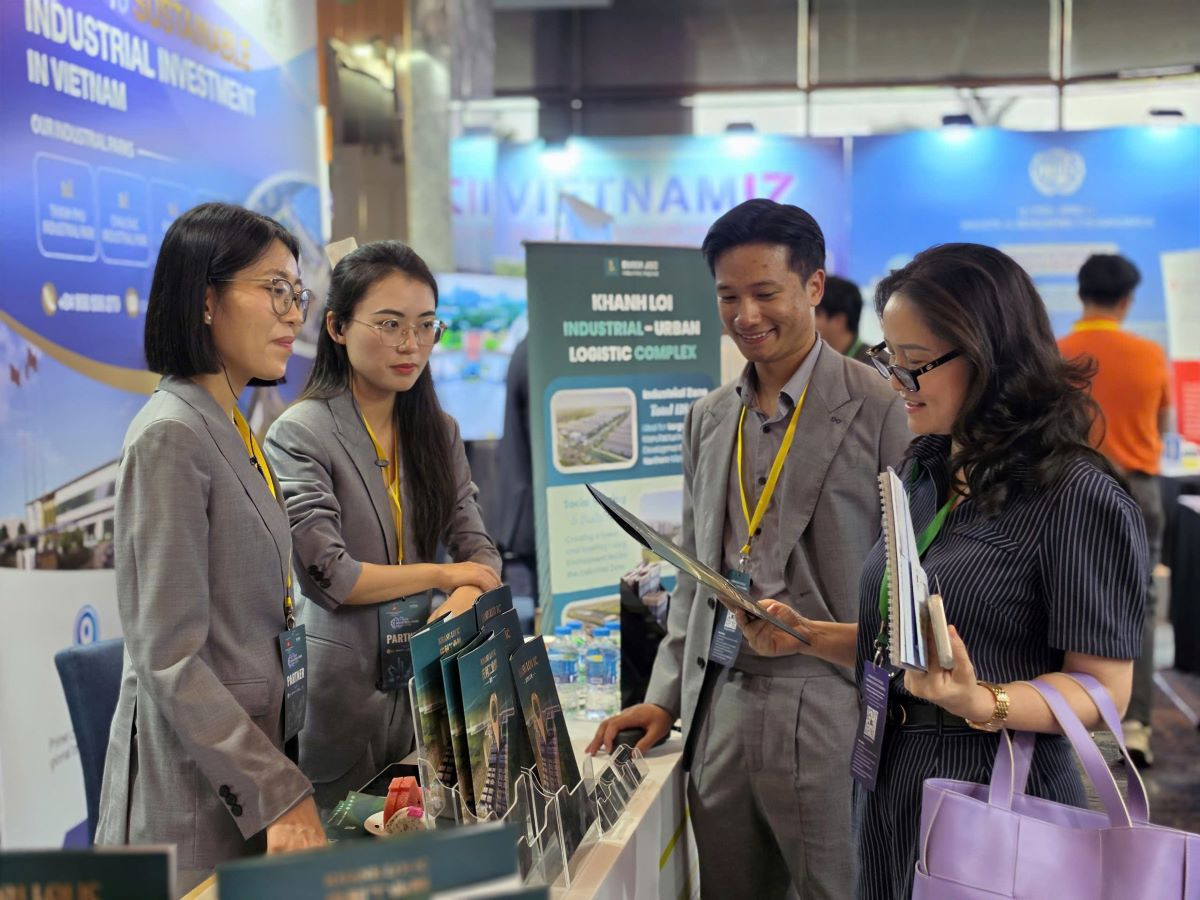
As the global economy undergoes rapid change, marked by intensifying strategic competition, expanding trade protectionism, geopolitical tensions and the continued restructuring of global supply chains, Vietnam's industrial sector faces the dual challenge of sustaining growth while improving its competitiveness.
During the first half of 2026, the country's industrial sector continued to post solid performance, with the Industrial Production Index (IIP) rising 10.8% year-on-year. Manufacturing remained the primary growth engine, expanding 11.4% over the same period.
However, uneven growth among provinces, rising demands for energy security, infrastructure development, high-quality FDI and the transition toward greener, more sustainable production models are creating new challenges for Vietnam's industrial park system.
The summit brought together policymakers, local authorities, industrial park developers, investors, manufacturers and technology providers to identify new growth drivers for the country's industrial parks.
Industrial parks must become innovation ecosystems
Opening the conference, Nguyen Van Khoi, chairman of the Vietnam Association of Realtors and a member of the Prime Minister's Advisory Council on Administrative Procedure Reform, said the world is undergoing profound geopolitical, economic and technological changes.
Global supply chains are being restructured, while investment relocation, green development, digital transformation, AI and the circular economy are reshaping industrial development models.
"For Vietnam, these changes present both tremendous opportunities and significant challenges," he said. "If we want industry to grow rapidly, we must first build a modern industrial park system. If we want to attract the world's leading technology companies, we need development platforms that match their expectations. And if we want to strengthen national competitiveness, industrial parks cannot simply lease land. They must become high-quality ecosystems for manufacturing, innovation and services."
Khoi said many industrial parks still follow traditional development models. Logistics infrastructure remains fragmented, connections with urban areas are limited, and housing and social amenities for workers and professionals fall short of demand.
Meanwhile, progress in digital and green transformation has been slow, and support services for investors remain inconsistent.
He also highlighted unresolved issues involving land availability, site clearance, land prices and investment procedures.
According to Khoi, Vietnam must shift from the traditional model of industrial parks providing production space to modern industrial ecosystems.
"A successful industrial park is more than a collection of factories. It should include logistics centers, digital infrastructure, research and innovation hubs, housing for workers and professionals, educational, healthcare, commercial and cultural facilities, along with a green, safe and sustainable living environment," he said.
He added that next-generation industrial parks should be managed through digital data and equipped with AI, the Internet of Things, big data and intelligent management platforms to improve operational efficiency, reduce energy consumption, lower costs and enhance competitiveness.
Next-generation industrial parks underpin industrial growth
Speaking at the conference, Nguyen Duc Hien, deputy head of the Central Policy and Strategy Commission, said Vietnam aims to achieve double-digit economic growth and become a developing country with a modern industrial base by 2030.
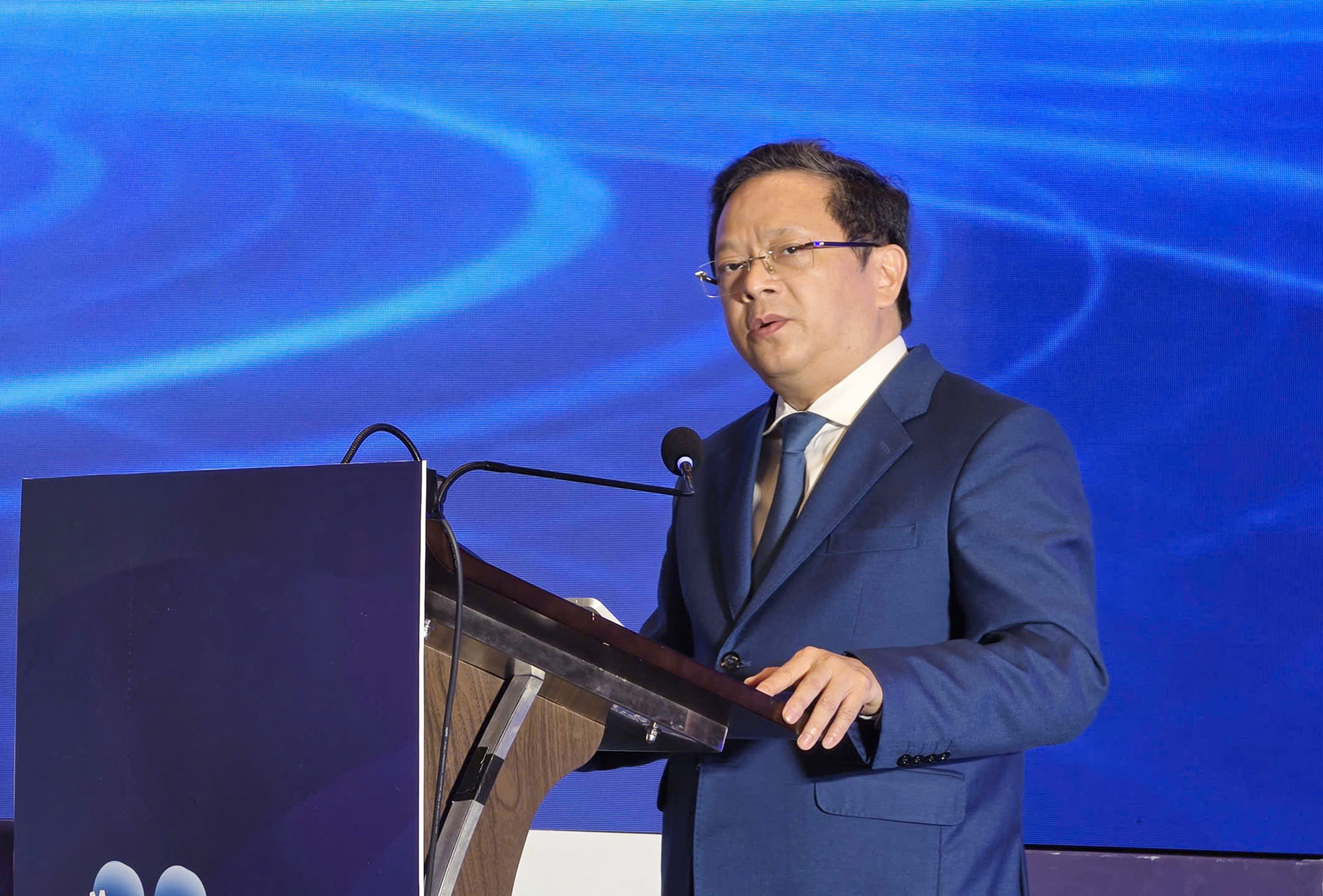
Achieving that goal requires industry to remain the primary driver of economic growth through a new development model built on science, technology, innovation, high value-added production, green and digital transformation, and deeper integration into global value chains.
According to Hien, this requires industrial parks and economic zones to be fundamentally repositioned in terms of their functions, development models and investment quality.
"Vietnam's industrial parks cannot simply serve as manufacturing sites or infrastructure providers. They must become modern industrial ecosystems where innovation, AI-powered digital technologies and high-quality human resources converge," he said.
He added that next-generation industrial parks will provide the foundation for developing innovation clusters, boosting productivity, strengthening competitiveness and improving the resilience of Vietnam's economy while directly supporting national industrial growth.
Building greener and smarter industrial parks
Tran Van Quan, vice chairman of the Hai Phong People's Committee, said industrial parks and economic zones have long been central to Vietnam's industrialization and efforts to attract foreign investment into manufacturing.
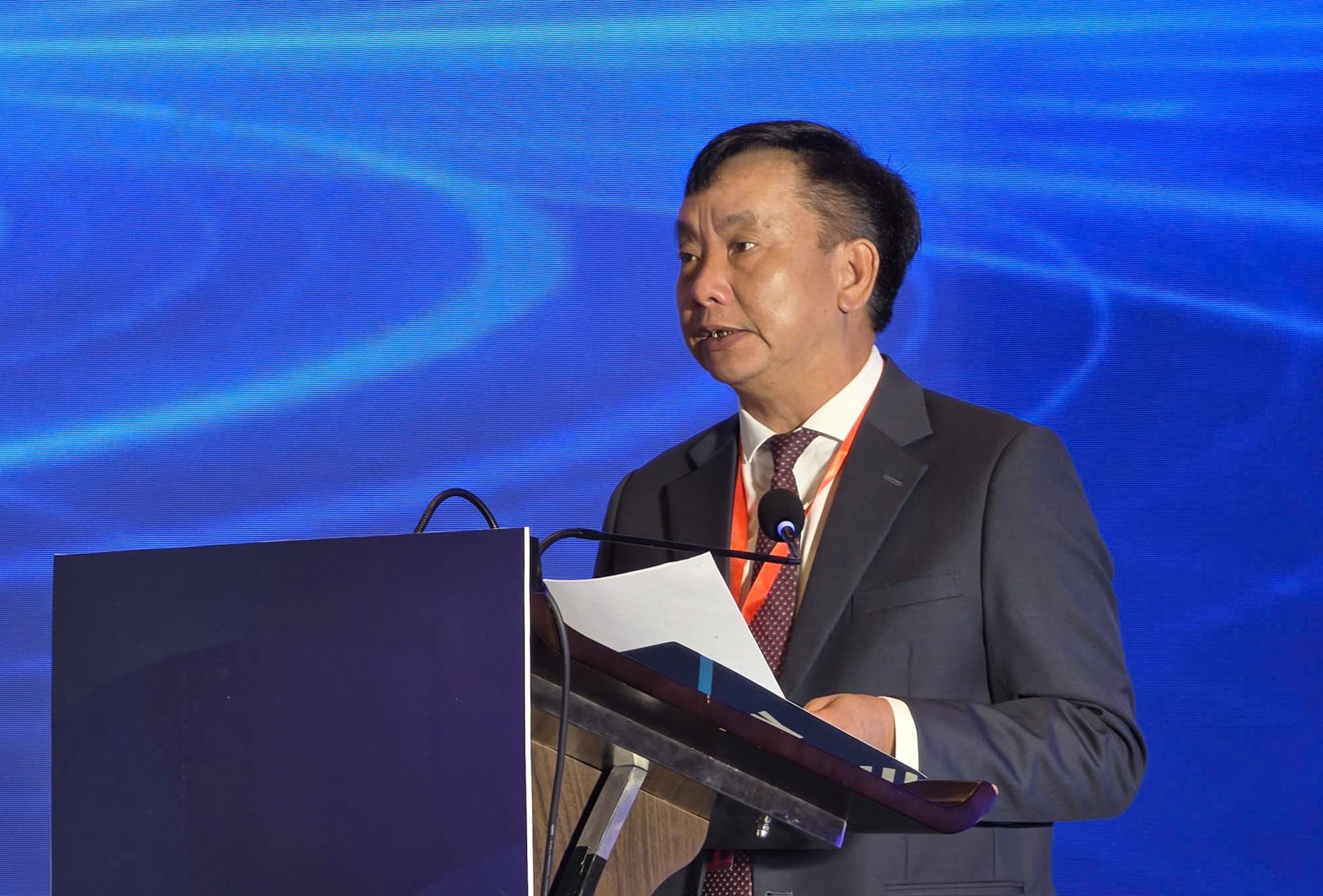
He noted that 70% to 80% of newly registered FDI in manufacturing is concentrated in industrial parks and economic zones.
Foreign-invested enterprises operating in these zones contribute around 20% of Vietnam's GDP, account for more than 70% of national exports, and provide direct employment for nearly 3.83 million workers.
"These figures clearly demonstrate the role of industrial parks as a driving force behind industrial growth and national competitiveness," Quan said.
As global supply chains continue to diversify, he added, Vietnam is emerging as a preferred destination for high-tech investment.
The semiconductor sector alone has attracted more than US$14 billion across over 240 projects, while new investment is also flowing into data centers, AI and renewable energy.
Investors from South Korea, Japan, Singapore, China, the United States and Europe continue to view Vietnam's industrial parks as strategic locations within regional and global supply chains.
Quan said that during the 2026 - 2030 period, as Vietnam targets annual GDP growth of at least 10%, industrial parks must continue upgrading their planning, infrastructure, green and digital transformation capabilities while strengthening their capacity to attract projects in high technology, semiconductors and innovation.
Conference presentations also focused on developing industrial parks for a new era of economic growth, renewable energy zones, industrial park planning following administrative boundary changes and building national spatial data platforms to support smart industrial parks.
Experts discussed international standards for industrial parks, integrated digital infrastructure, energy optimization through energy management systems (EMS), data-driven smart governance and cybersecurity for critical infrastructure.
The discussions concluded with broad agreement that Vietnam's industrial parks must shift their focus from expanding in number to improving quality and efficiency while strengthening links between foreign-invested and domestic enterprises.
Such a transformation, participants said, is essential to building modern, green and sustainable industrial ecosystems capable of attracting the next generation of global investment.
Thai Khang
.svg)
