 Vietnamnet.vn

 Podcast



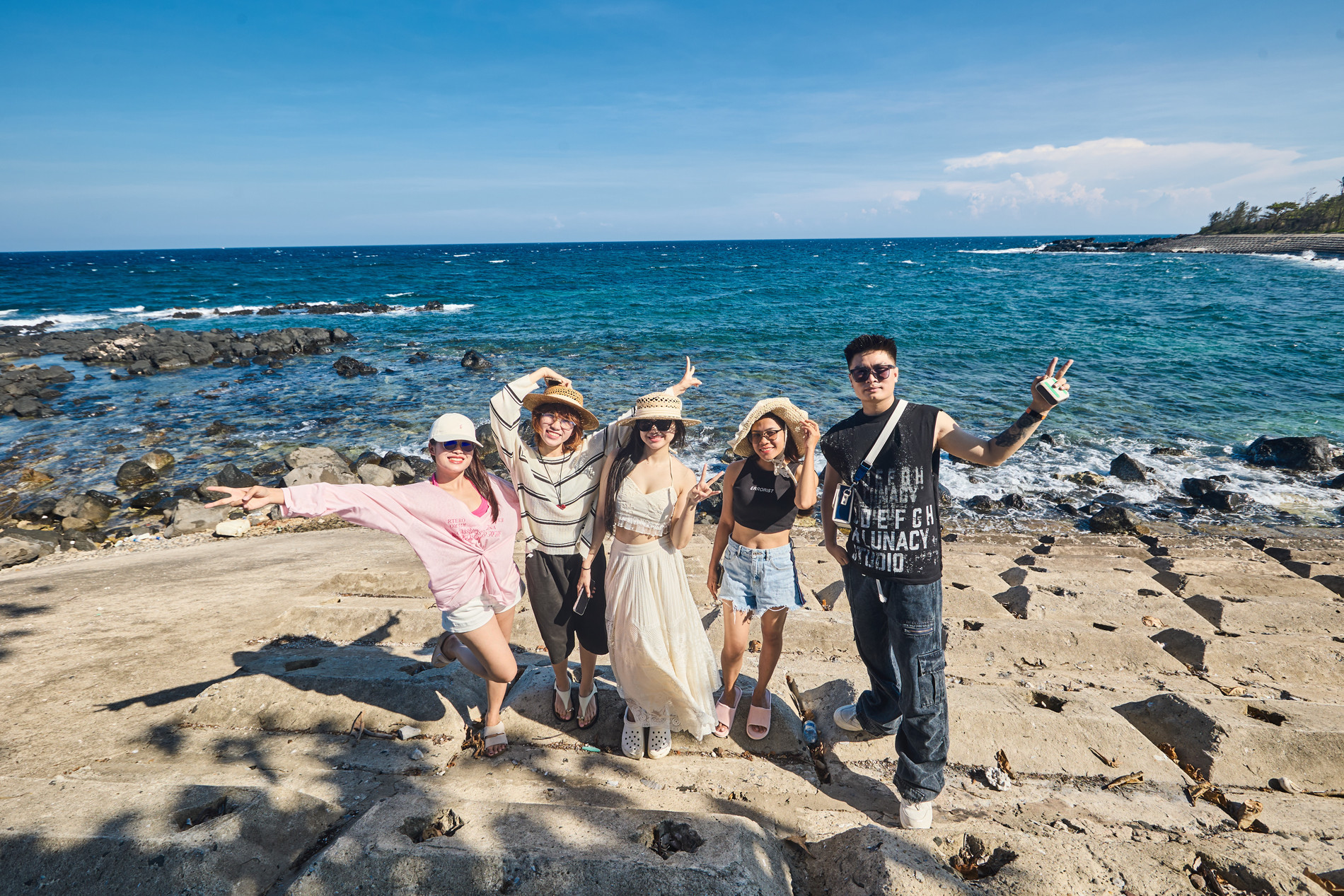
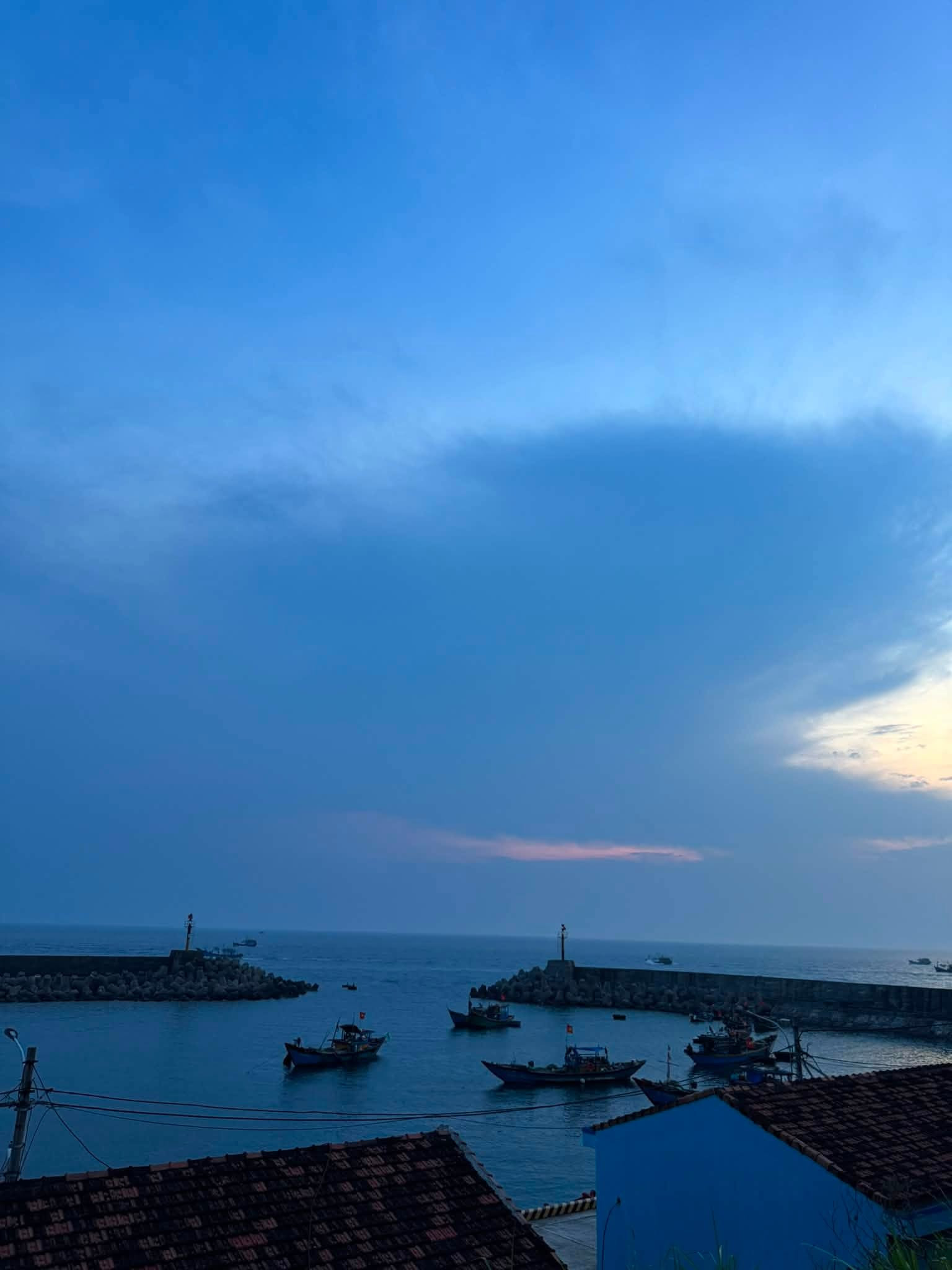
Located about 30 kilometers from Cua Viet Port in Quang Tri Province, Con Co - also known historically as Hon Co, Con Ho or Hon Me - has become an increasingly attractive destination for visitors seeking nature, history and authentic island experiences.
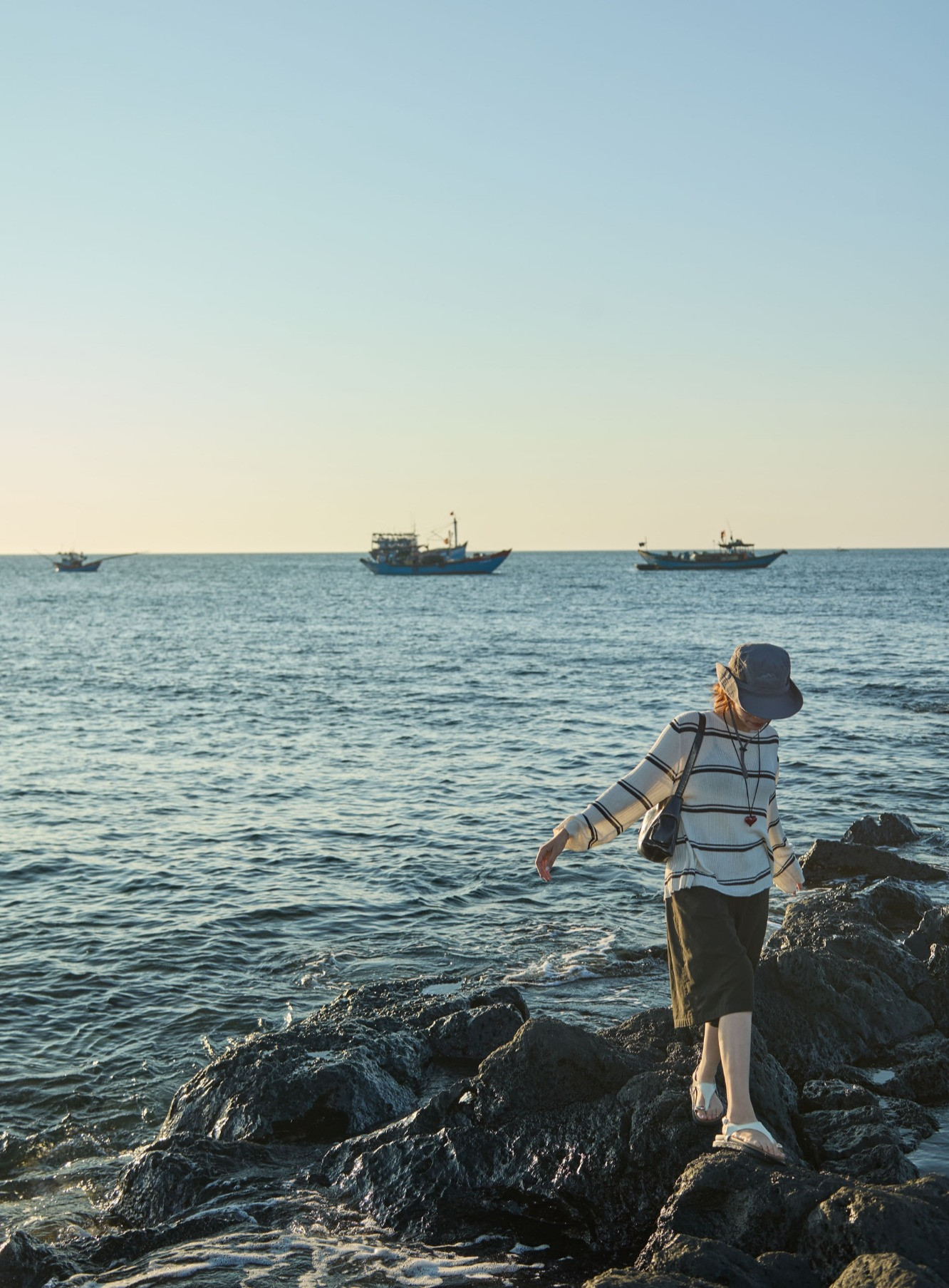
Formed by ancient volcanic eruptions, the island is distinguished by dramatic basalt rock formations lining its coastline and secluded beaches created from shells, coral fragments and fine sand.
An island where every visitor stays overnight
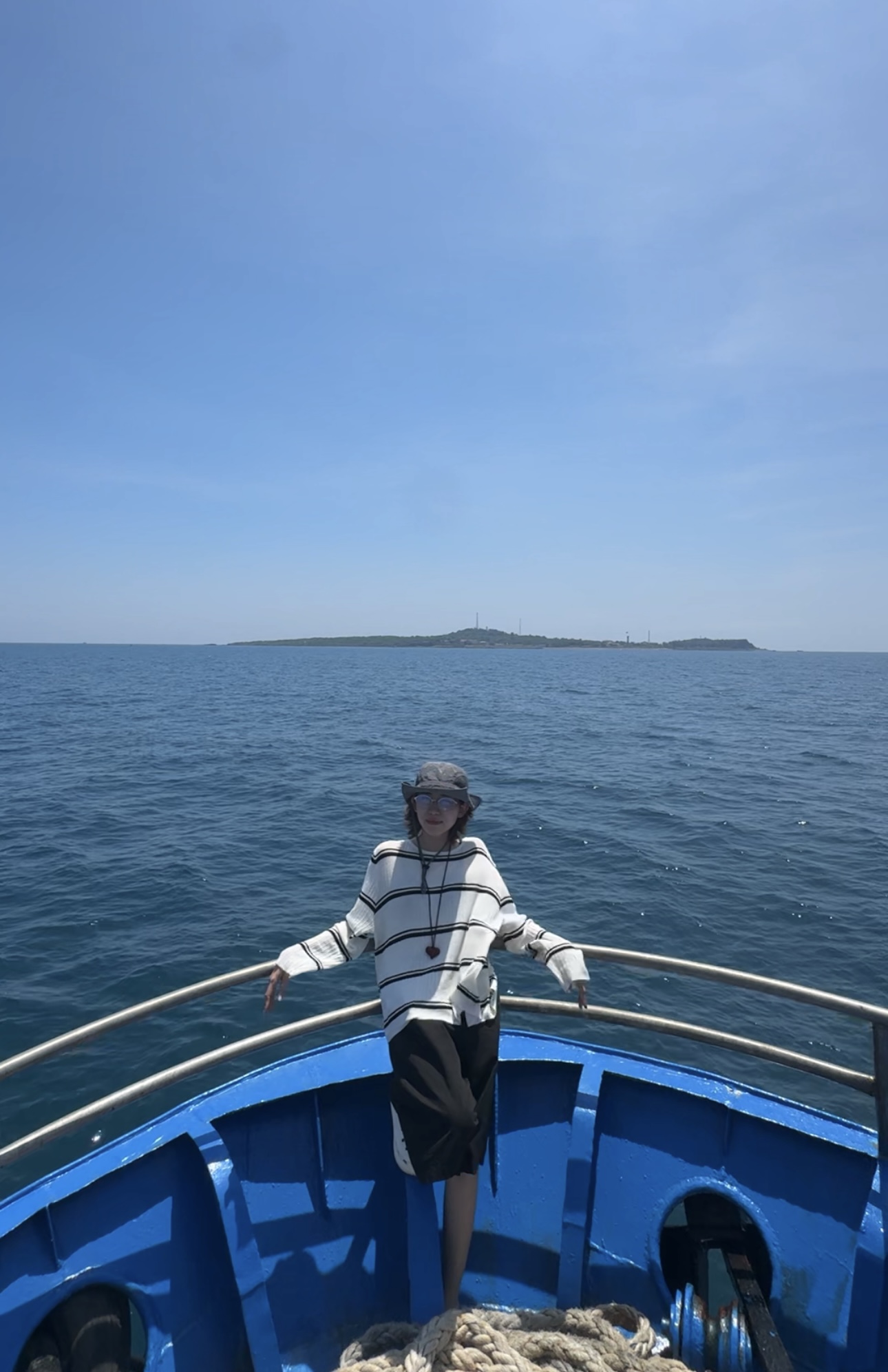
According to Nhi Linh, a tourism professional based in Quang Tri, visitors begin their journey from Cua Viet Port before boarding a high-speed ferry for a trip lasting between one and one-and-a-half hours.
Two high-speed ferries - Chin Nghia and Con Co Tourist - operate on alternating schedules.
Each day there is only one ferry departing for the island at 8 a.m., with the return trip leaving the following morning at the same time.
A one-way ticket costs VND340,000 (US$13).
"Visitors almost have to stay overnight because there is only one ferry to the island each day, and it returns to the mainland the following morning," Linh explained.
Tropical forest surrounded by the sea
According to the Vietnam National Authority of Tourism, Con Co lies along the 17th parallel and serves not only as a strategic offshore island but also as one of central Vietnam's most beautiful natural destinations.
Although covering just 2.3 square kilometers, more than 70% of the island remains protected primary forest.
It is also one of the few places in Vietnam where a three-layer tropical rainforest ecosystem has been preserved almost intact.
One of the island's most popular activities is cycling through this lush forest.
Because of Con Co's compact size, visitors can easily rent bicycles and circle the island while enjoying fresh sea air and observing its diverse flora and fauna.
The best time to visit is between April and August, when calm seas and sunny weather create ideal conditions for swimming and snorkeling.
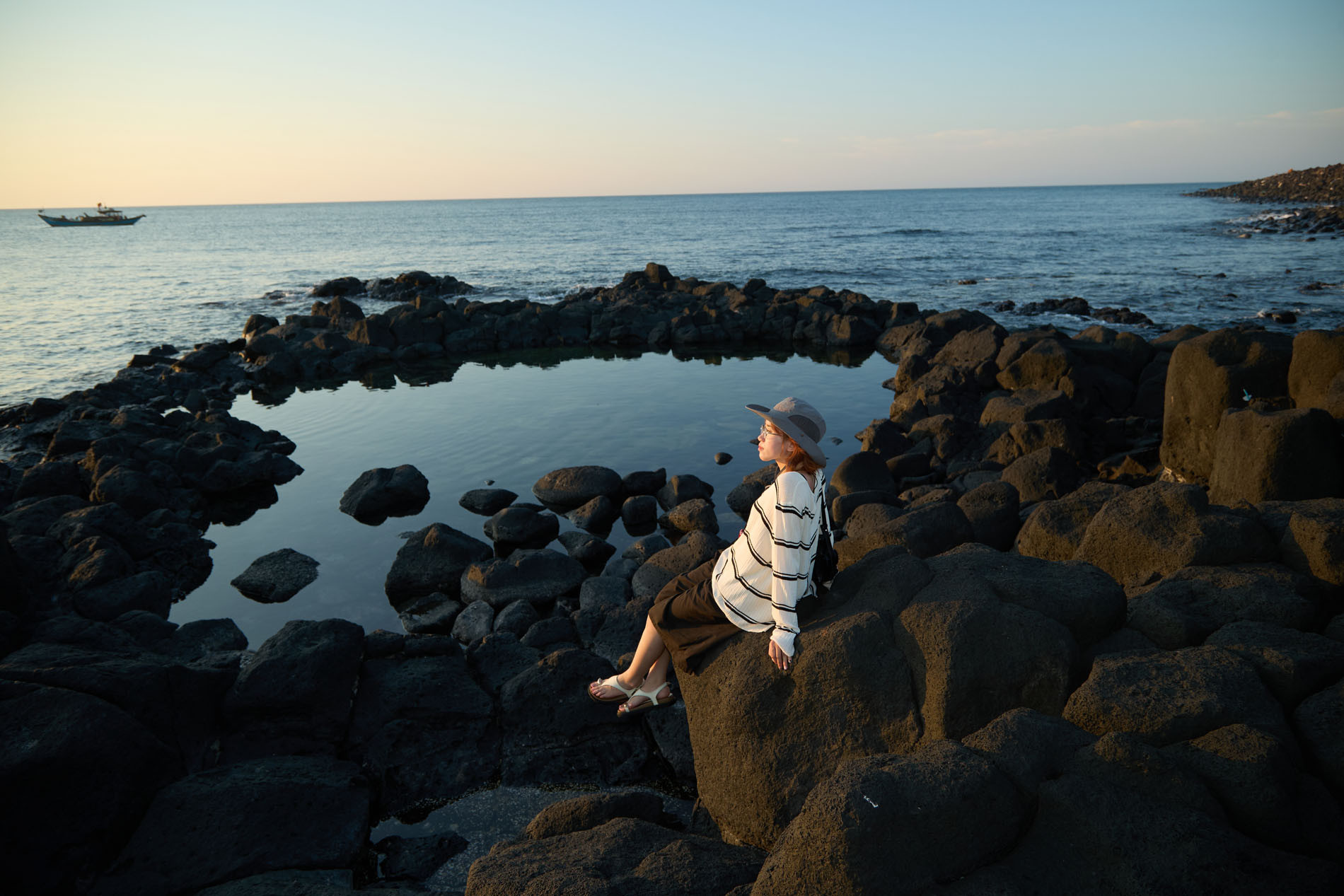
Beaches, history and outdoor adventures
Linh recommends visiting several of the island's historical and scenic landmarks, including Ben Nghe, Bai Tranh Beach, the lighthouse, the National Flag Tower and the Hill 37 Martyrs Memorial.
Ben Nghe and Bai Tranh are Con Co's two main beaches. Both feature gentle waves, shallow waters and excellent visibility, making them suitable for swimming.
Ben Nghe is also a favorite spot for watching sunrise.
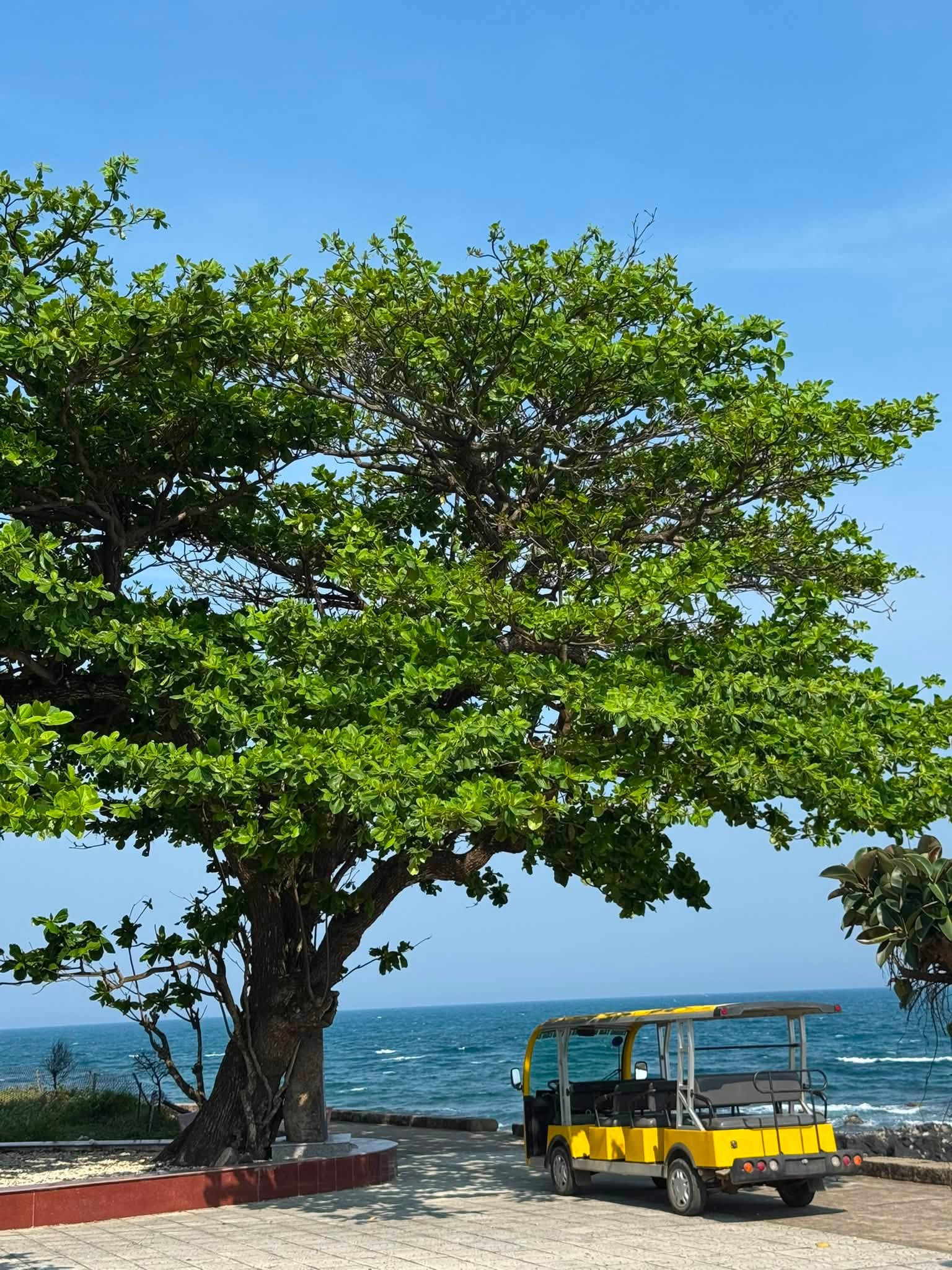
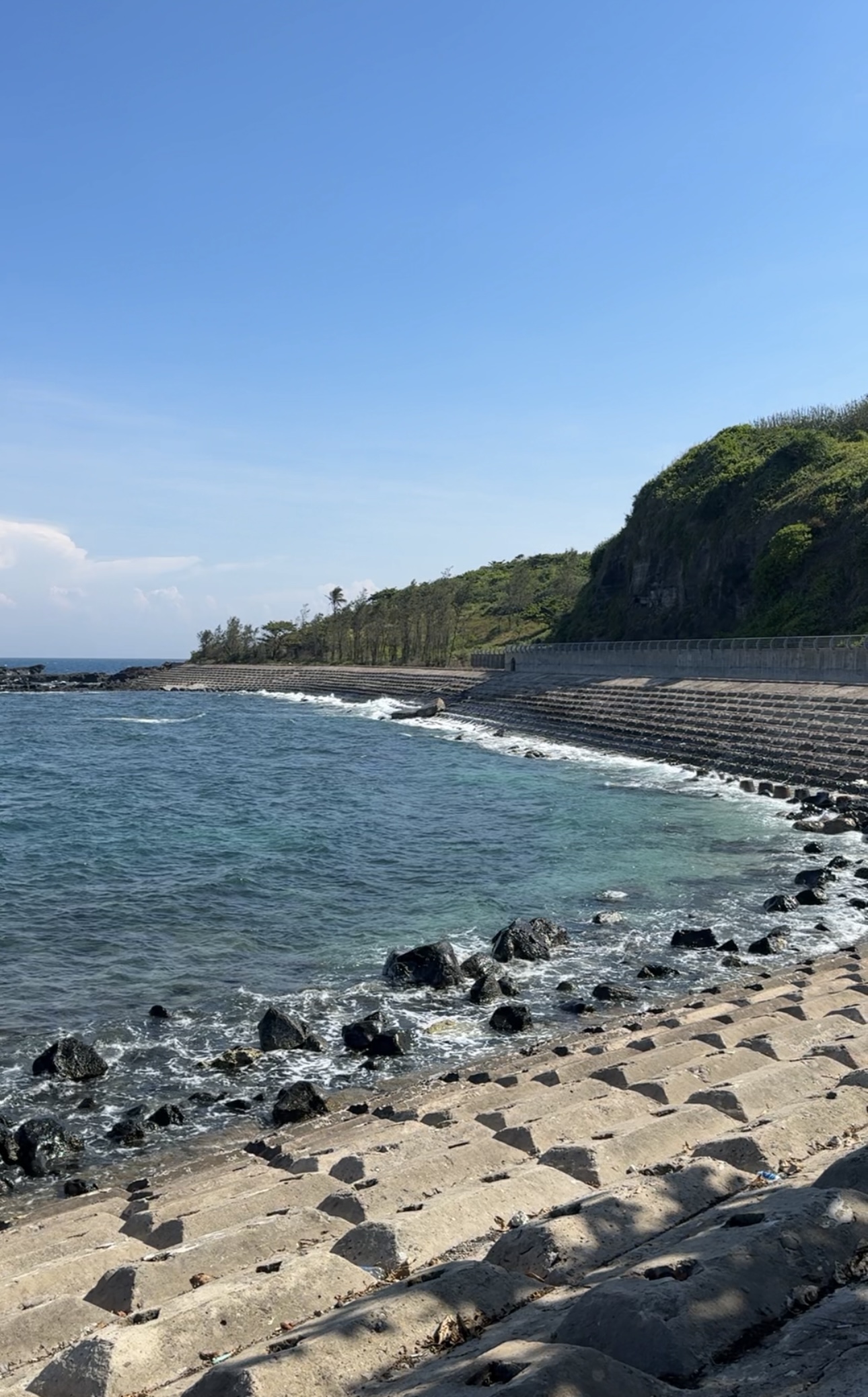
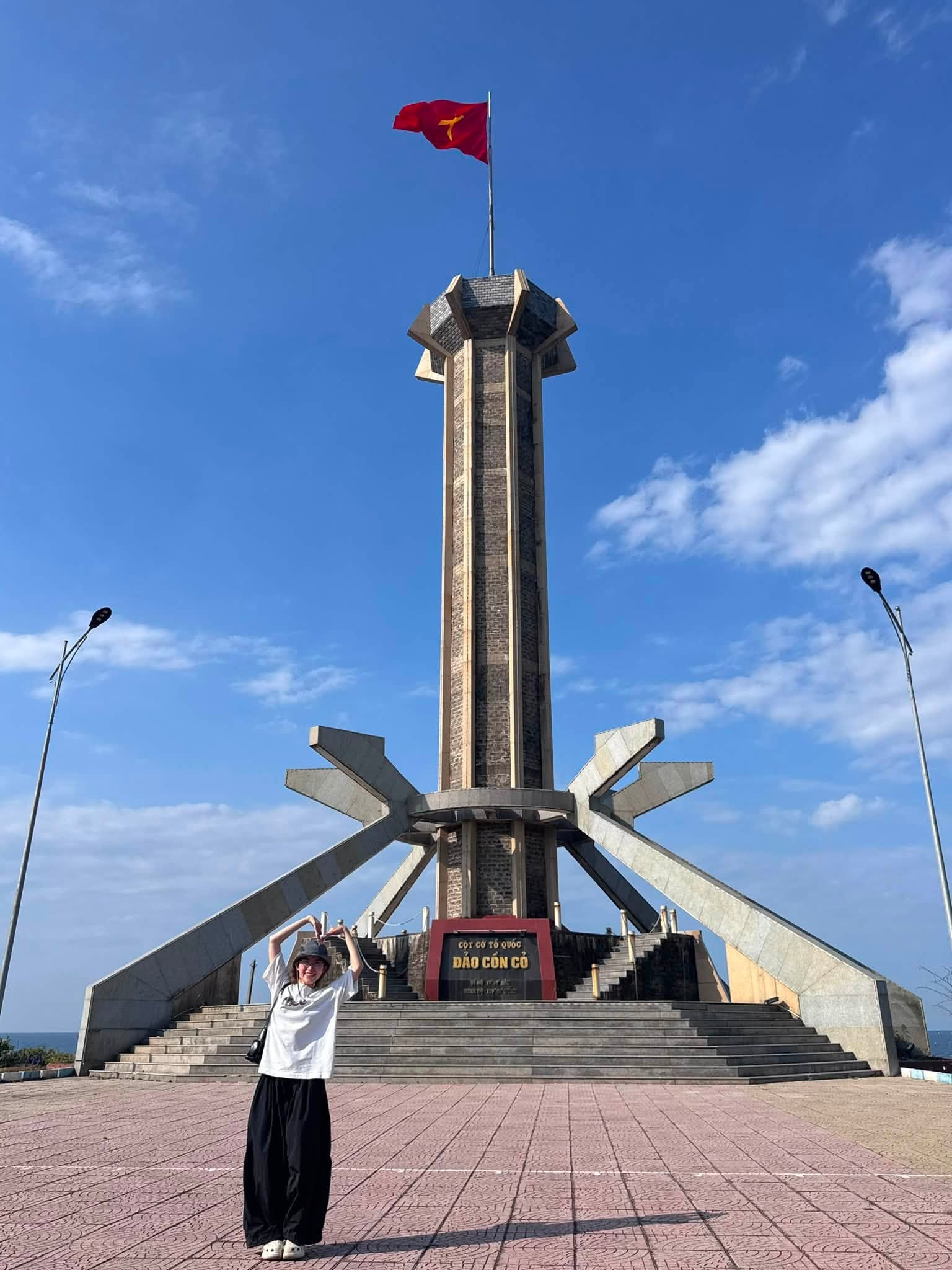
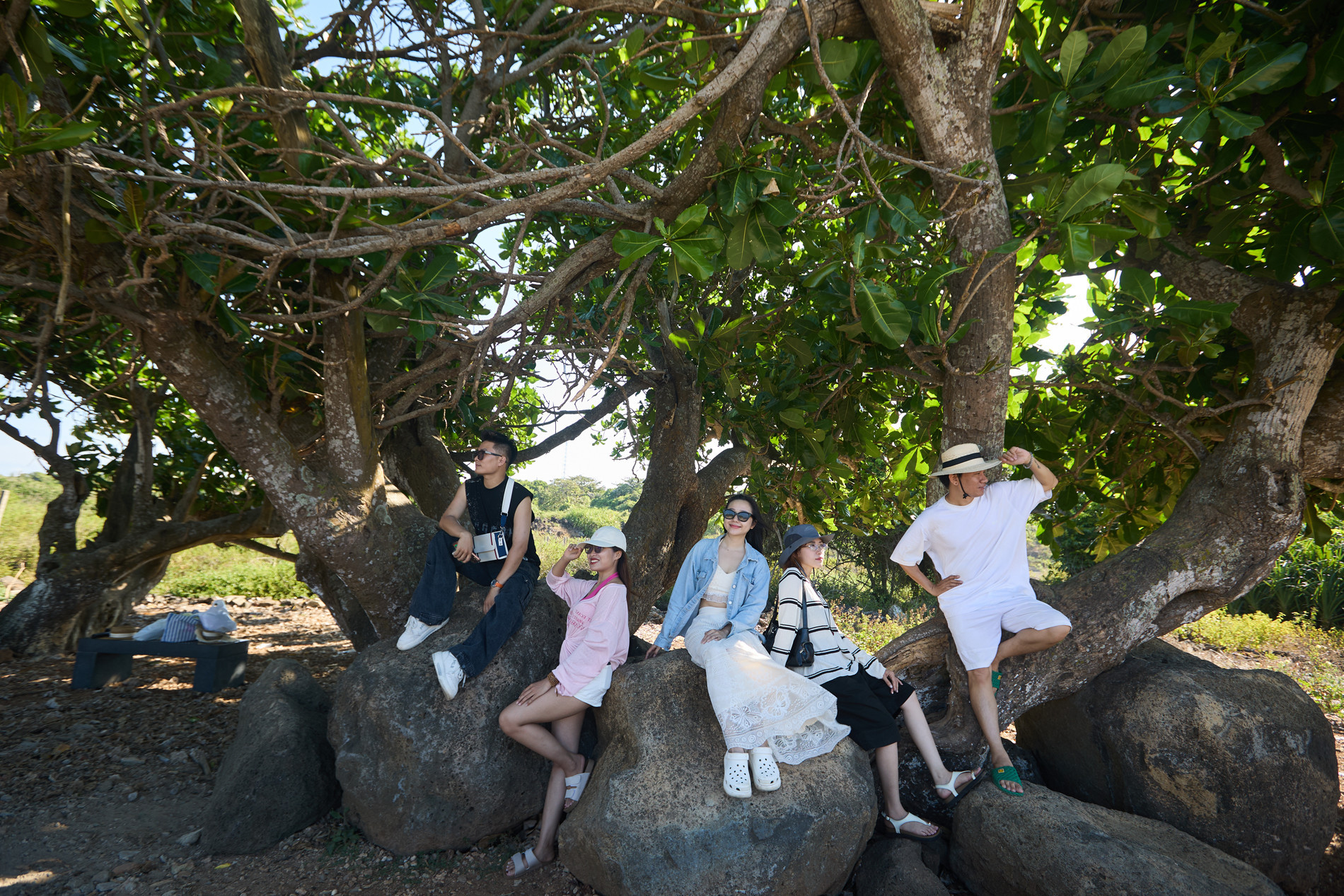
Since 2024, several attractions have been restored and upgraded, including the Thai Van A Observation Tower, the square barringtonia tree conservation area, a former military field hospital and the island's traditional exhibition house.
Visitors can also rent tandem bicycles, motorbikes or electric vehicles, paddle stand-up paddleboards, collect seashells and harvest sea grapes.
Over the past two years, Con Co has expanded its tourism offerings with glass-bottom boat tours, seasonal coral diving, beach campfires and cultural exchanges between visitors, island residents and military personnel.
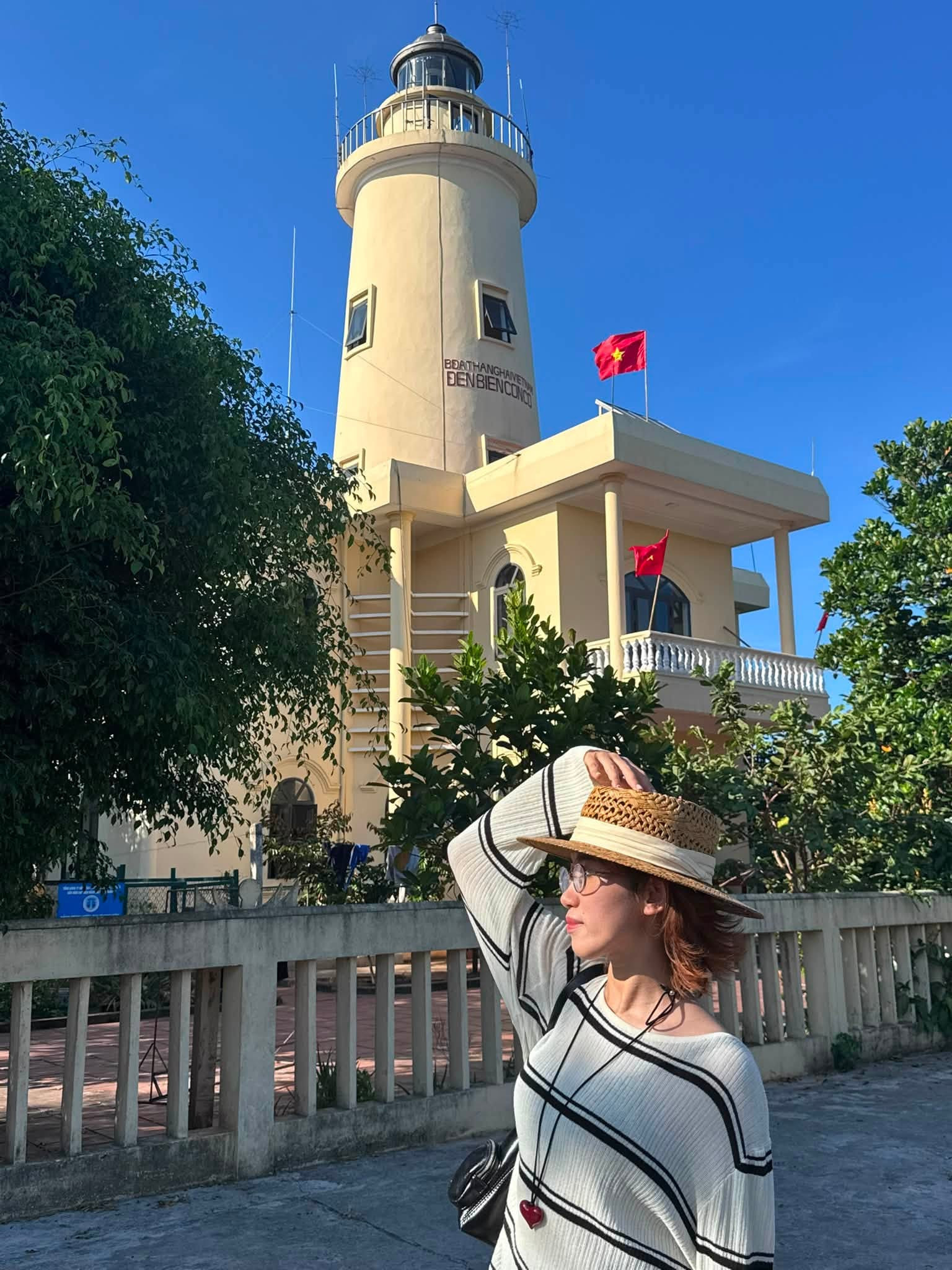
The island's lighthouse remains one of its most recognizable landmarks, offering panoramic views across Con Co and the surrounding sea.
Fresh seafood is a highlight

Accommodation on the island mainly consists of government guesthouses and locally operated homestays, with room rates ranging from VND400,000 to VND600,000 (US$15–23) per night.
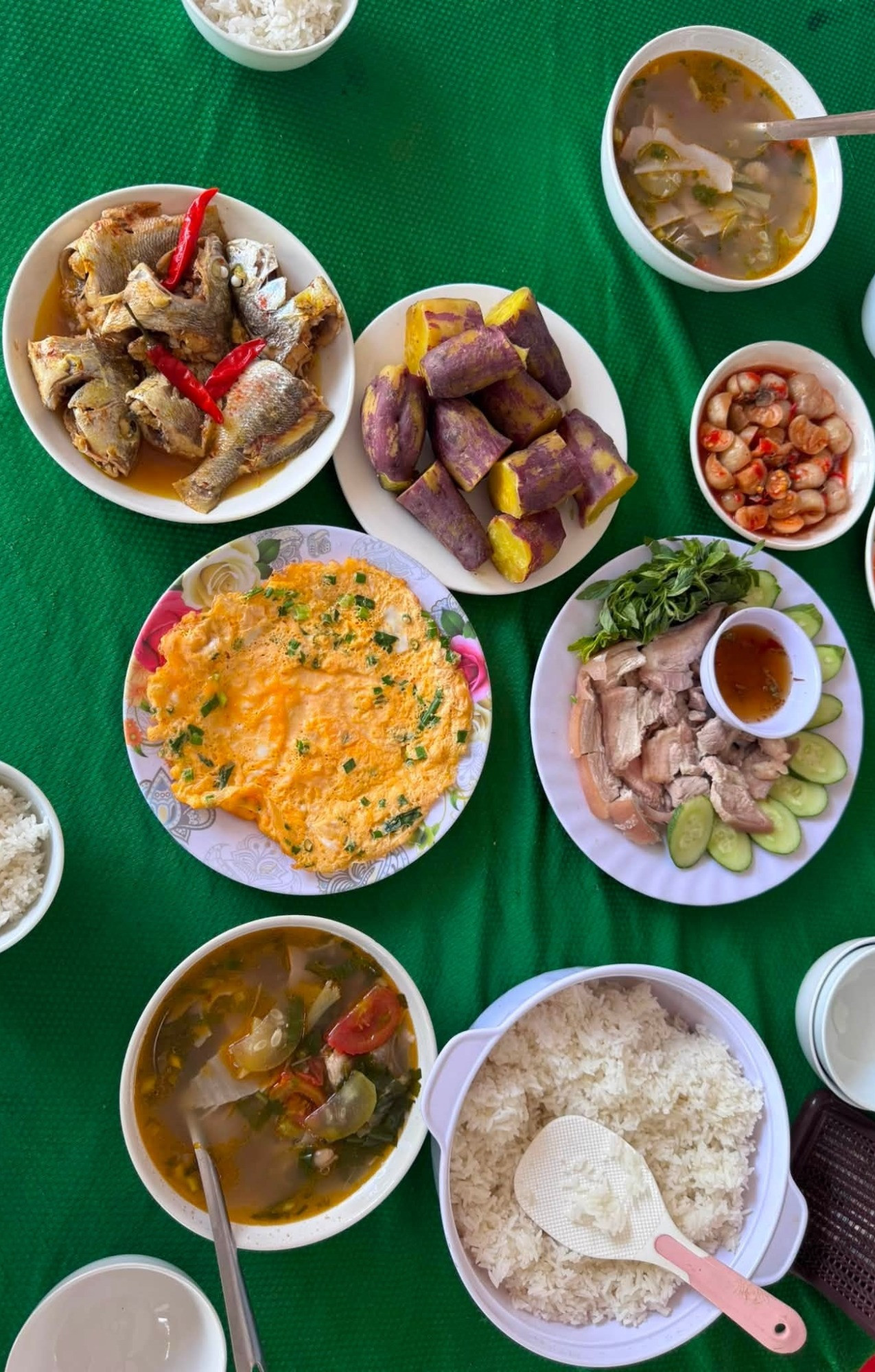
Many accommodations prepare meals for guests, while several small restaurants also serve local specialties.
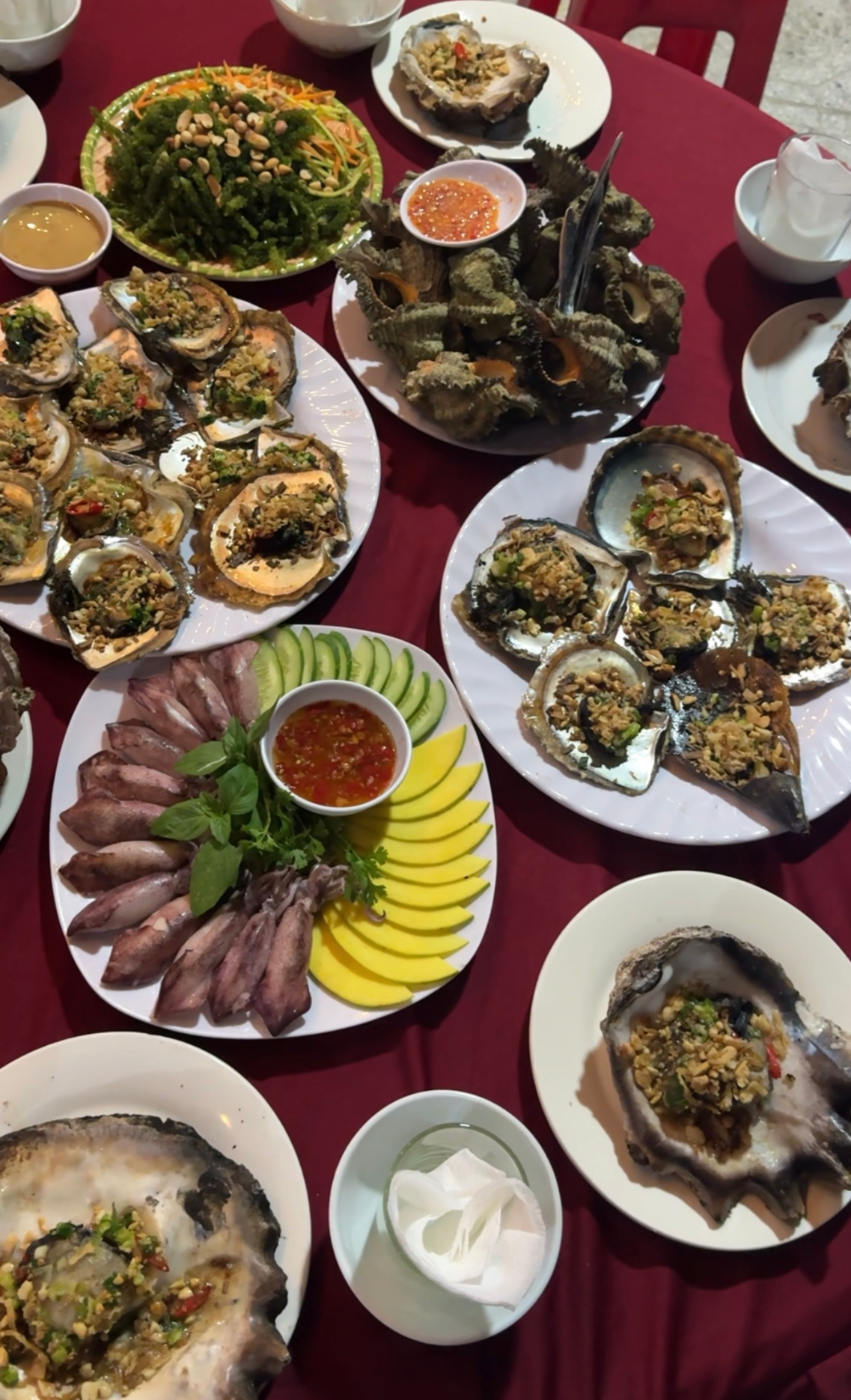
Popular dishes include king oysters, spiny sea snails, cone snails, tho snails and sea grapes.
Among them, the island's signature delicacy is the king oyster, also known locally by several traditional names.
These oysters are exceptionally large, often measuring as wide as an adult's hand. Most weigh between 1.2 and 1.5 kilograms, while some can exceed 3 kilograms.
Because they are relatively scarce, king oysters are served primarily on Con Co rather than shipped to the mainland.
Their firm, naturally sweet meat can be enjoyed raw or prepared in dishes such as oyster porridge or grilled oysters topped with scallion oil.
According to Linh, the island's seafood is not only exceptionally fresh but also reasonably priced.
Planning your visit
Linh advises travelers to reserve ferry tickets in advance, as sailing schedules may change depending on weather conditions and passenger demand.
As Con Co is a strategically important island, border guards check visitors' identification upon arrival, so travelers should carry valid identification documents.
Visitors are also encouraged to bring seasickness medication, insect repellent and sunscreen.
To help protect the island's environment, authorities ask visitors to conserve fresh water, minimize plastic waste, avoid photographing or flying drones in restricted areas and refrain from catching or eating the island's protected land crabs.

Thao Trinh
.svg)
