 Vietnamnet.vn

 Podcast



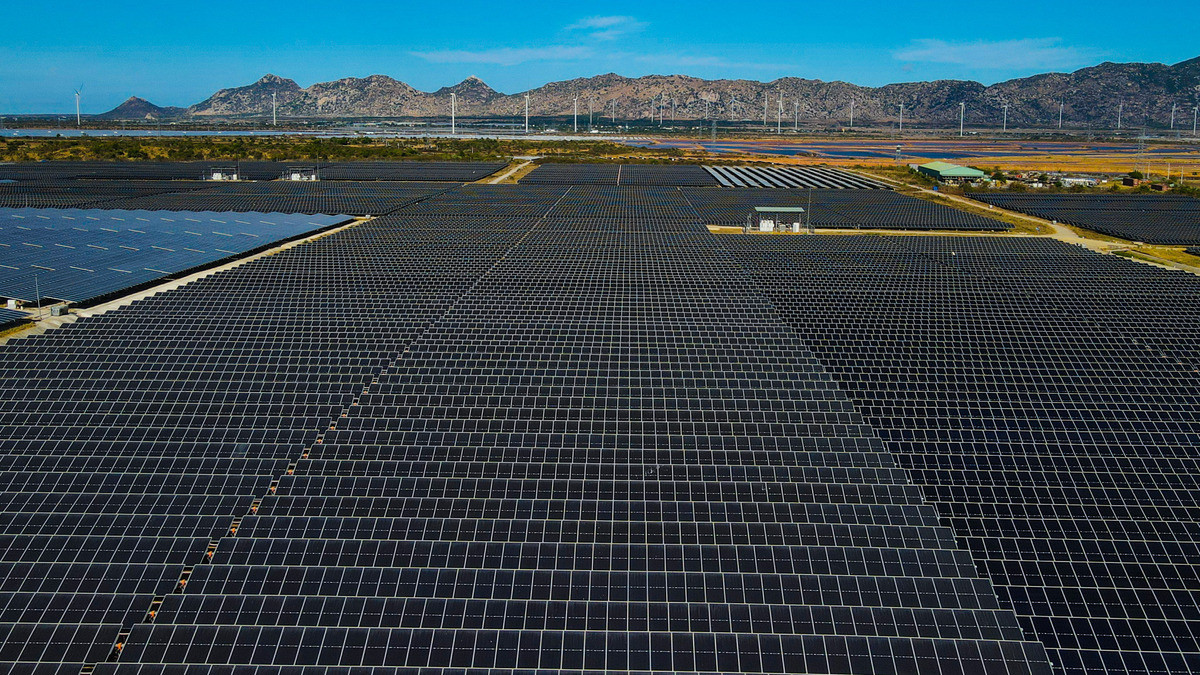
As solar power cannot generate electricity after sunset, the power sector has been forced to dispatch more expensive sources such as LNG-fired and oil-fired power plants.
At the seminar “Ensuring Electricity Supply During the 2026 Dry Season,” organized by Xay Dung newspaper on June 10, Nguyen Anh Tuan from the Executive Board of the National System and Market Operation Company (NSMO) said the two recent heat waves, particularly the late-May heat spell, shattered multiple records for both peak capacity and electricity consumption across the national power system and the northern grid compared with 2025.
During the first five months of 2026, total electricity output reached 138.9 billion kWh, up 8.9 percent from 2025. Electricity consumption for the remainder of the year is projected to reach 325 billion kWh. According to NSMO, the power system is expected to meet the country's electricity demand throughout 2026.
However, Tuan noted that the greatest challenge for grid operators lies during peak-demand hours, especially on extremely hot days. Rising use of air conditioners and cooling devices causes electricity demand to surge dramatically.
“Even when using the same appliance, a higher outdoor temperature can significantly increase electricity consumption,” he emphasized.
At the end of May, peak capacity across the national power system reached 58,000 MW, up 5.6 percent from the record set in 2025. Daily electricity consumption climbed to 1.2 billion kWh, approximately 9.5 percent higher than the previous record.
Northern Vietnam alone consumed 630 million kWh, accounting for more than half of the country's total electricity demand. Peak load reached 30,000 MW, up 6.3 percent from the 2025 record, equivalent to the capacity of one Hoa Binh Hydropower Plant.
This means that northern Vietnam would effectively need an additional Hoa Binh-sized hydropower plant every year to keep pace with annual demand growth.
According to Tuan, the country is only at the beginning of summer, while El Niño conditions are expected to persist from mid-2026 through 2027, creating significant challenges ahead.
“Nevertheless, by every possible means, at all costs and through every available solution, we will strive to ensure the best possible electricity supply during the 2026 hot season and throughout the remainder of the year,” he said.
Do Van Nam, a member of the Board of Members of Northern Power Corporation (EVNNPC), said northern Vietnam experienced an early heat wave this year while peak load reached exceptionally high levels, creating major challenges for units within Vietnam Electricity (EVN), particularly EVNNPC.
According to Nam, industrial production and residential consumption currently account for 95-96 percent of EVNNPC's total load. These are the customer groups experiencing the strongest increase in electricity demand during hot weather.
High temperatures force cooling systems and air-conditioning equipment in factories, workshops and households to operate at high capacity for extended periods, significantly increasing electricity consumption.
During the late-May heat wave, electricity demand across the 17 provinces and cities managed by EVNNPC reached 430-440 million kWh per day, roughly 100 million kWh higher than during normal weather conditions. This illustrates the enormous pressure placed on the power system and the sharp spike in electrical load.
Why expensive power sources must be dispatched
Regarding the need to dispatch high-cost generation sources such as oil-fired and LNG-fired power plants in May, Bui Quoc Hung, deputy director general of the Electricity Authority under MOIT, said that system dispatch and power plant scheduling fall under the responsibility of NSMO.
According to Hung, power generation dispatch is conducted in accordance with regulations governing power system operation and the electricity market, while also meeting technical and economic requirements. The dispatch level of each generation source depends on actual demand, hydrological conditions, fuel availability and electricity market regulations.
Recent hot weather pushed electricity demand to high levels, forcing the system to mobilize substantial generating capacity.
“Although hydropower plants, coal-fired plants, gas turbines and renewable energy sources were already operating at high output levels, the system still had to dispatch more expensive sources such as oil-fired generation and LNG-fired power plants to meet demand,” Hung said.
Nguyen Anh Tuan noted that solar power now accounts for a significant share of the electricity supply mix. However, solar generation is strongest during daytime hours and contributes little or no output during the evening peak-demand period.
As a result, the power system requires flexible generation sources such as hydropower, gas turbines, LNG-fired plants and diesel oil-fired power plants to compensate for the shortfall.
Tam An
.svg)
