 Vietnamnet.vn

 Podcast



Major infrastructure deals announced in rapid succession
On October 15, the Hanoi Metropolitan Railway Management Board signed a turnkey contract with a consortium comprising Vinhomes JSC (HoSE: VHM) and SGC Investment and Construction JSC to develop five urban railway lines, numbered 1, 2, 8, 10 and 14.
The projects have a combined announced investment value of nearly VND 900 trillion (approximately US$34.2 billion), excluding land clearance costs.
To implement the projects, the consortium said it had mobilized more than 100 tunnel-boring machine (TBM) systems, over 50 diaphragm wall excavation equipment systems and thousands of vehicles for transporting excavated soil and drilling waste.
The consortium aims to bring the metro lines into operation before December 31, 2030.
Previously, Vingroup signed an agreement with French rail manufacturer Alstom for the supply of 200 Metropolis trainsets and the transfer of technology for Hanoi's urban railway network.
Each trainset will comprise five carriages, with the design intended to optimize passenger capacity, operational efficiency and safety.
Also on October 15, VinMetal Manufacturing and Trading JSC, a Vingroup subsidiary, signed a contract with Italy's Danieli Group to supply core equipment for rail and structural steel rolling lines at the VinMetal Ha Tinh Iron and Steel Complex.
The facility is designed to produce more than 700,000 tonnes of rail and structural steel annually.
These specialized steel products are intended for railways, ports, industrial facilities and logistics infrastructure.
The partnership with Danieli is expected to help VinMetal establish domestic production capabilities for specialized steel products and gradually secure a more independent supply of materials for major infrastructure projects.
VinMetal is currently developing an iron and steel complex in the Vung Ang Economic Zone in Ha Tinh province.
The first phase is designed to produce approximately 6 million tonnes annually, with plans to expand capacity to 20 million tonnes per year in the second phase.
In May, the company also signed a memorandum of understanding with Primetals Technologies to develop a large-scale integrated steel production complex.
The proposed facility would incorporate technologies spanning the entire production process, from ironmaking and steelmaking to the rolling of finished steel products.
These developments form part of Vingroup's strategic expansion into infrastructure and green energy, announced in August 2025.
The new business areas complement the conglomerate's existing pillars of technology and industry, commerce and services, and social philanthropy.
Technology independence and investment efficiency remain key challenges
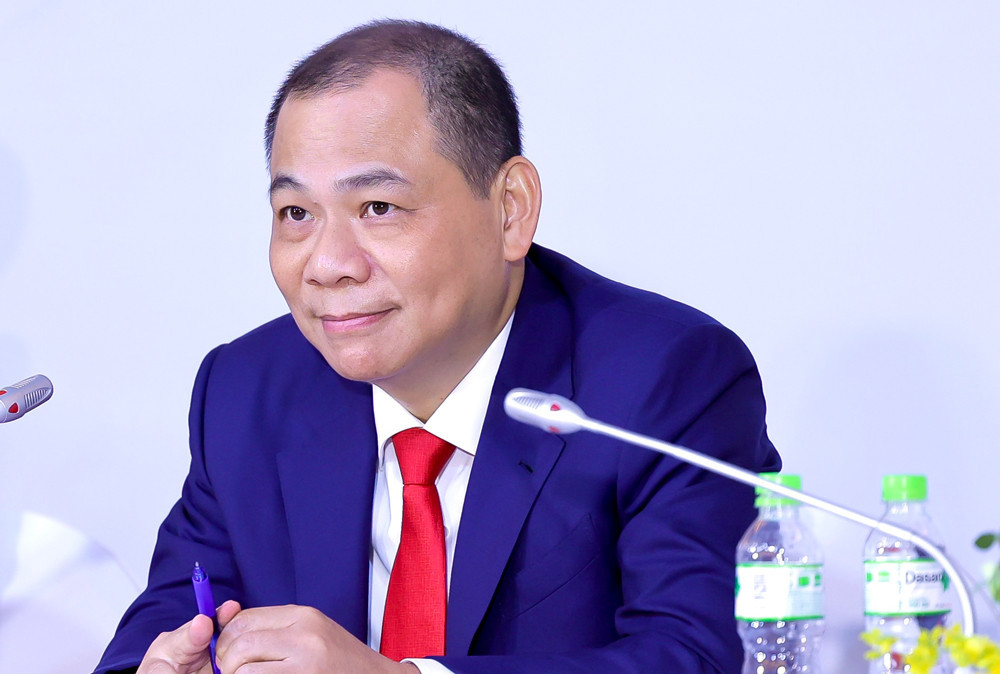
Vingroup, chaired by billionaire Pham Nhat Vuong, is simultaneously expanding into urban railway construction, rail steel manufacturing and technology partnerships with international industrial groups.
This approach suggests the conglomerate aims to participate in multiple stages of the infrastructure value chain, from supplying construction materials to delivering major projects.
The strategy could create advantages through closer integration between its business activities.
Large infrastructure projects generate substantial demand for steel, equipment, construction services and engineering expertise, potentially creating new opportunities for domestic enterprises.
Developing specialized steel production capacity could also reduce Vietnam's dependence on imported materials and strengthen the country's ability to secure supplies of strategically important industrial products.
For Vingroup, infrastructure represents a potential new growth avenue as the conglomerate continues restructuring its business portfolio.
Meanwhile, Vietnam is accelerating infrastructure investment to address logistics bottlenecks, improve connectivity between major economic centers and strengthen national competitiveness.
The participation of private conglomerates capable of mobilizing capital, advanced technology and international expertise could provide additional resources for these objectives and support new sources of economic growth.
However, the scale of the investments also raises questions about whether their economic returns will justify the substantial costs, particularly at a time when input material prices remain elevated.
Railway projects and steel complexes require significant capital expenditure and lengthy development periods.
They also face risks involving cost overruns, construction delays and market demand falling short of initial expectations.
International partnerships can provide Vingroup with access to advanced technology, operational expertise and workforce training.
Nevertheless, the conglomerate's ability to absorb and master these technologies, develop qualified personnel and maintain consistent production quality will need to be demonstrated through actual project implementation.
For metro systems, success depends on more than meeting construction deadlines.
Their long-term effectiveness also requires integration with urban planning, sufficient passenger demand and careful management of operating costs.
In steel manufacturing, the central challenges include securing buyers, maintaining competitive production costs and competing effectively in domestic and international markets.
At the national level, Vietnam needs to continue expanding infrastructure while improving project selection and resource allocation, particularly given the limitations of available investment capital.
Investment decisions should be supported by transparent assessments of socioeconomic benefits, financial returns and long-term risks.
For Vingroup, the expansion into infrastructure creates an opportunity to establish another major business pillar.
However, securing a lasting position in the sector and participating more extensively in large-scale projects will require the conglomerate to demonstrate technological capabilities, effective cost control and tangible economic value once its facilities and infrastructure projects become operational.
Manh Ha
.svg)
