 Vietnamnet.vn

 Podcast



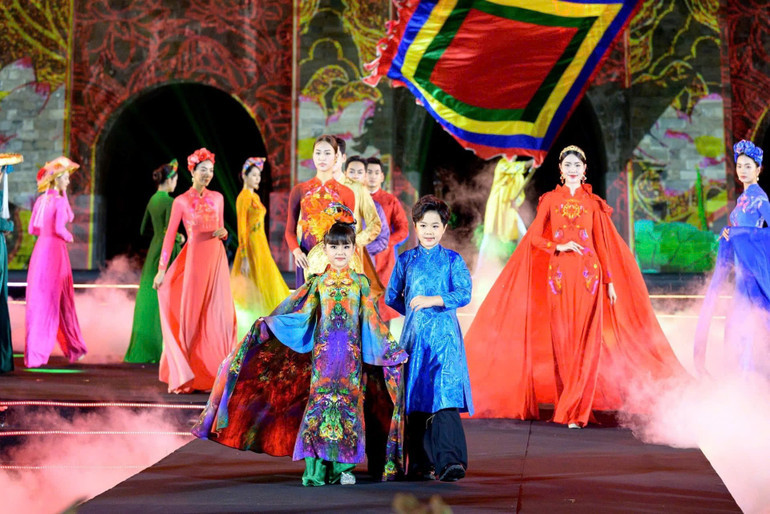
In the age of globalization, nations no longer compete solely through economic or military strength, but also through cultural identity and influence. A strong national cultural brand is a soft passport that enables a country to assert its presence and elevate its profile on the international stage.
Vietnam’s rich heritage: An untapped cultural reservoir
With a long-standing and diverse cultural legacy, Vietnam now faces a timely and critical opportunity to build a globally competitive cultural brand that supports sustainable development and affirms the country’s global position.
Vietnam’s cultural treasury includes UNESCO-recognized heritages, a robust ecosystem of folk art, architecture, fashion, belief systems, oral literature, cuisine, and lifestyle. With 54 ethnic groups across the S-shaped land, each region contributes to a vibrant “living museum” of unique cultural expressions - from Quan Ho and Ca Tru to Vi Giam, Cai Luong, and Don Ca Tai Tu. Vietnamese culinary staples such as pho, bun cha, and banh mi are not only food but stories of culture that have won hearts around the world.
Traditional crafts like Bat Trang pottery, Dong Ho paintings, Van Phuc silk, Kim Bong carpentry, Non Nuoc stone art, Tan Chau silk, and Mang Thit ceramics are valuable cultural assets. However, without effective promotion, these treasures remain dormant, under-recognized resources. Acknowledging this, the Party and State have always identified culture as a cornerstone in national development strategy.
From policy to action: Cultural identity as strategic soft power
As early as 1998, Resolution No. 5 of the 8th Party Central Committee called for building an advanced Vietnamese culture rich in national identity. Resolution No. 33-NQ/TW (June 9, 2014) emphasized developing cultural industries alongside establishing a robust cultural market. At the 2021 National Cultural Conference, General Secretary Nguyen Phu Trong declared: “As long as culture remains, the nation survives,” calling for the political system to unite in promoting Vietnamese cultural values and people in national construction and defense.
Following the Politburo’s direction, the Ministry of Culture, Sports and Tourism has developed a project to internationalize Vietnamese culture and “Vietnamize” global culture - implementing Resolution No. 59 in cultural sectors. This project views culture as a comprehensive soft strategy, connecting diplomacy, economics, media, tourism, and creativity.
The project is not only about introducing Vietnam to the world but also guiding the selective integration of global cultural values, creating a “dual value” in digital-era cultural exchange. The ultimate goal is to build a strong Vietnamese cultural brand with global appeal.
Culture: The engine of national reputation and development
Professor Tu Thi Loan emphasized that in nation-branding, culture plays a decisive role - it is both the foundation and internal strength for national development. Cultural elements support the growth of Vietnamese-branded products that can thrive at home and expand globally.
According to Brand Finance’s annual Nation Brands report, countries with strong cultural brand indices have clear advantages in “soft power,” attracting investment and global goodwill. A powerful cultural brand not only elevates a nation’s reputation but also fuels national pride, deepens identity in integration, and strengthens public diplomacy by fostering understanding among nations.
Notably, Brand Finance’s 2023 report showed Vietnam’s national brand value grew by 102% between 2019 and 2023, the fastest growth globally. Culture played a pivotal role, proving it has become a foundation for growth, a resource for the creative industry, cultural exports, and national empowerment.
Global inspiration: Strategic cultural branding done right
Internationally, several countries have succeeded in building iconic cultural brands. South Korea, through its “Hallyu” wave, turned K-pop, cinema, cuisine, and fashion into global sensations, elevating it into the world’s top 10 nation brands. Japan, beyond its technological prowess, is globally recognized for anime, tea ceremonies, and Zen culture - its “Cool Japan” image is the result of deliberate government investment and promotion.
Singapore blends multiculturalism with technology to project a modern national brand that attracts investment and tourism. These examples show that a national cultural brand must be cultivated through a long-term, consistent strategy coordinated among government, businesses, citizens, and creatives.
Vietnam’s potential and present efforts
Vietnam’s efforts to promote its image abroad include traditional outreach (Vietnam Cultural Weeks), international cultural-art events (Hue Festival, Ao Dai Festival, Folk Art Festivals, food exhibitions, Hanoi International Film Festival), and rising global appearances by Vietnamese artists. Films winning international awards and Vietnamese cuisine receiving global media recognition are positive signs of growing cultural influence.
However, these efforts remain fragmented. There is still no clear and distinctive cultural brand identity. Key reasons include limited funding and human resources, which hinder large-scale promotional campaigns and development of competitive cultural products.
Moreover, policy frameworks are not flexible enough to encourage private sector engagement - especially among creative businesses - resulting in spontaneous, directionless exploitation of cultural heritage.
Vietnam’s cultural industry still lags behind regional leaders like South Korea and Japan in competitiveness. The private sector’s role in producing cultural, tourism, and export goods remains weak, lacking strategic depth and market focus.
Strategic blueprint for a global Vietnamese brand
To elevate the Vietnamese cultural brand, a comprehensive and methodical approach is needed. Culture must be treated as a national development pillar, integrated with economic, education, diplomatic, and technological policies.
A long-term strategy should aim to position Vietnam as a country rich in heritage, open, dynamic, and innovative. Research and selection of strong cultural symbols - such as UNESCO heritage, traditional arts, folklore, cuisine, and fashion - are needed to create globally competitive cultural products.
Creativity must flow throughout society, encouraging cultural enterprises, artists, content creators, filmmakers, and designers to contribute to national image-building. The government should act as a policy enabler, while the private sector and communities become the implementers.
According to Tran The Thuan, Director of the Ho Chi Minh City Department of Culture and Sports, preserving Vietnamese identity in comprehensive integration involves both “giving and receiving.” The top priority now is a robust legal framework to stimulate cultural development and diplomacy.
Promoting Vietnamese culture globally requires the support of media, technology, and digital platforms. At the same time, “Vietnamizing” global culture involves selectively absorbing universal values to enrich national identity - modernizing traditional culture for digital platforms while balancing preservation with innovation.
In his article Rising Through International Integration, General Secretary To Lam wrote: “In culture, integration must go hand in hand with preserving, promoting, and showcasing national identity; developing cultural and content industries, and producing high-quality, globally competitive cultural products and brands.”
Building a Vietnamese cultural brand with global competitiveness is a long journey - challenging but full of promise and inspiration. It is not solely the task of the cultural sector, but a national strategy and the shared aspiration of an entire people.
Tien Phong
.svg)
