 Vietnamnet.vn

 Podcast



Vietnam's economy entered the second half of 2026 from a position of relative strength. Growth remained robust, key economic drivers continued to gain momentum, and several underlying indicators suggested the economy was proving more resilient than many had expected.
Growth momentum strengthens
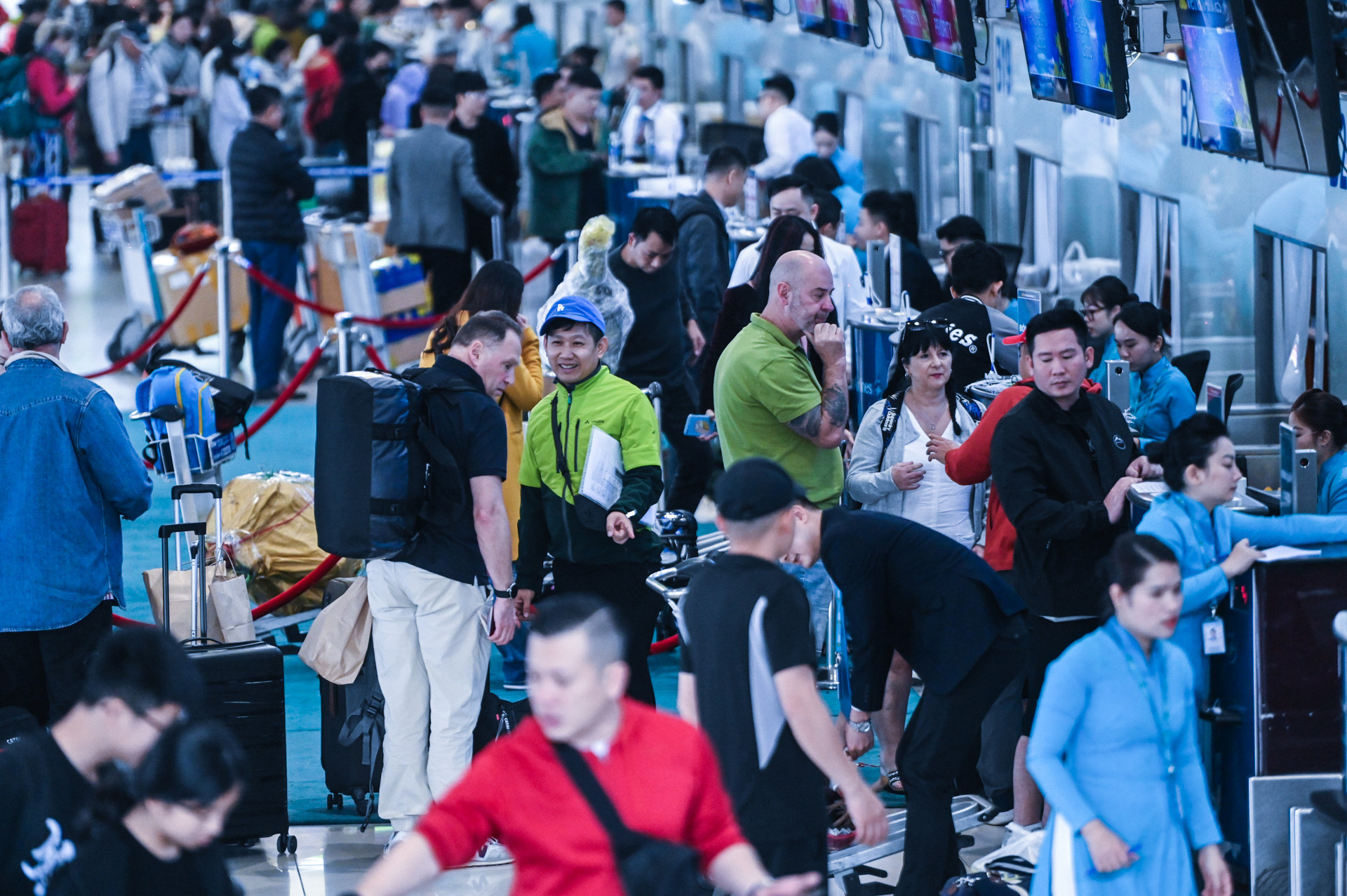
Vietnam concluded the first six months of 2026 with encouraging results as gross domestic product (GDP) expanded 8.18%, compared with 7.63% in the same period last year. Average inflation was kept at 4.38%, broadly in line with the target approved by the National Assembly.
The positive outlook is also reflected in updated forecasts from international institutions. In its latest report, Standard Chartered raised its forecast for Vietnam's GDP growth in 2026 to 9.5%, while expecting the economy to expand by 11% in 2027. The bank also lowered its inflation forecast to 4.4% this year and 3.3% next year, suggesting that price pressures are gradually easing.
According to Standard Chartered, the State Bank of Vietnam is likely to keep its policy interest rates unchanged to support economic growth while preserving room to contain inflation.
The economy gathered momentum from the first quarter, when GDP grew 7.83%, indicating that Vietnam entered the year from a stronger position than in previous years. Public investment continued to play a leading role as progress accelerated on a series of major infrastructure projects, while industrial production, consumer spending and services all improved.
In the second quarter, Vietnam faced growing external pressures, including geopolitical tensions, higher oil prices, elevated global interest rates and continued uncertainty in international trade. Despite these headwinds, second-quarter GDP is estimated to have expanded 8.39%, lifting first-half growth to its highest level in many years.
Growth also became more broadly based. During the first six months, the manufacturing and processing sector expanded 10.23%, exports reached US$266.5 billion, up 21%, while the construction sector grew 9.51%, supported by infrastructure investment. Retail sales of goods and consumer services increased 12.9%, and Vietnam welcomed nearly 12.3 million international visitors during the first half of the year.
Another highlight was the continued strength of foreign direct investment (FDI). Newly registered FDI reached US$34.65 billion, up 61%, while disbursed FDI totaled US$13.03 billion, the highest level in five years. Beyond new investment projects, foreign investors' capital contributions and share acquisitions also surged by nearly 90%, reinforcing long-term confidence in Vietnam's investment environment.
Room for further growth, but three key tests remain
According to Vu Binh Minh, CFA, Head of Global Markets Sales, Global Banking and Markets at HSBC Vietnam, the Vietnamese economy remains in a favorable position after the first half of the year, supported by strong growth and greater resilience to external shocks than initially expected.
However, the positive backdrop does not mean risks have disappeared. The HSBC economist believes the economy must successfully navigate three important tests during the second half of the year.
The first is the trade balance. Vietnam recorded a trade deficit of around US$16.65 billion in the first six months. While most imports consisted of machinery, equipment and production materials - reflecting preparations for a new growth cycle - the faster pace of import growth relative to exports has increased pressure on the exchange rate and the balance of payments.
The second challenge is inflation. Although average consumer price inflation of 4.38% remains within the government's target range, price pressures became more noticeable toward the end of the second quarter as energy prices, imported raw materials and food costs all increased. Core inflation stood at 4.12%, suggesting that inflationary pressures have not yet become widespread, but the situation will require close monitoring as domestic demand continues to recover.
The third challenge involves the exchange rate and interest rates. The Vietnamese dong has come under greater pressure since the end of the first quarter as demand for foreign currency increased to finance imports and international payments. At the same time, the gap between credit growth and deposit growth has kept interest rates relatively elevated. Nevertheless, the State Bank of Vietnam has responded flexibly through open market operations and forward foreign exchange sales to stabilize liquidity, helping maintain exchange-rate stability and orderly money markets.
According to HSBC, if the second quarter was primarily about weathering external shocks, the third quarter will be the period for accelerating growth, with the main challenge shifting to sustaining economic momentum amid continued pressure on capital demand, exchange rates and inflation.
Looking ahead to the fourth quarter, the outlook could improve as the peak export season, stronger international tourism and rising overseas remittances help strengthen the balance of payments and ease pressure on the exchange rate. In addition, expectations that Vietnam's stock market could receive an upgraded classification are seen as an important catalyst for attracting international capital, improving market liquidity and enhancing the quality of capital inflows over the medium and long term.
Overall, Vietnam has delivered a successful first half of 2026, characterized by strong economic growth, broad-based domestic recovery and continued robust FDI inflows. While challenges remain, current fundamentals suggest that the outlook for the third quarter, the fourth quarter and the full year remains positive. If macroeconomic stability is maintained, public investment continues to accelerate, high-quality FDI keeps flowing into the country and opportunities arising from a potential stock market upgrade are fully leveraged, Vietnam's goal of achieving stronger growth in the second half of the year appears well within reach.
Manh Ha
.svg)
