 Vietnamnet.vn

 Podcast


General Secretary of the Communist Party of Vietnam (CPV) Central Committee and President To Lam on November 24 called on the entire Party, people and armed forces, as well as Vietnamese at home and abroad, to nurture the country's culture with responsibility, compassion and a commitment to national development.
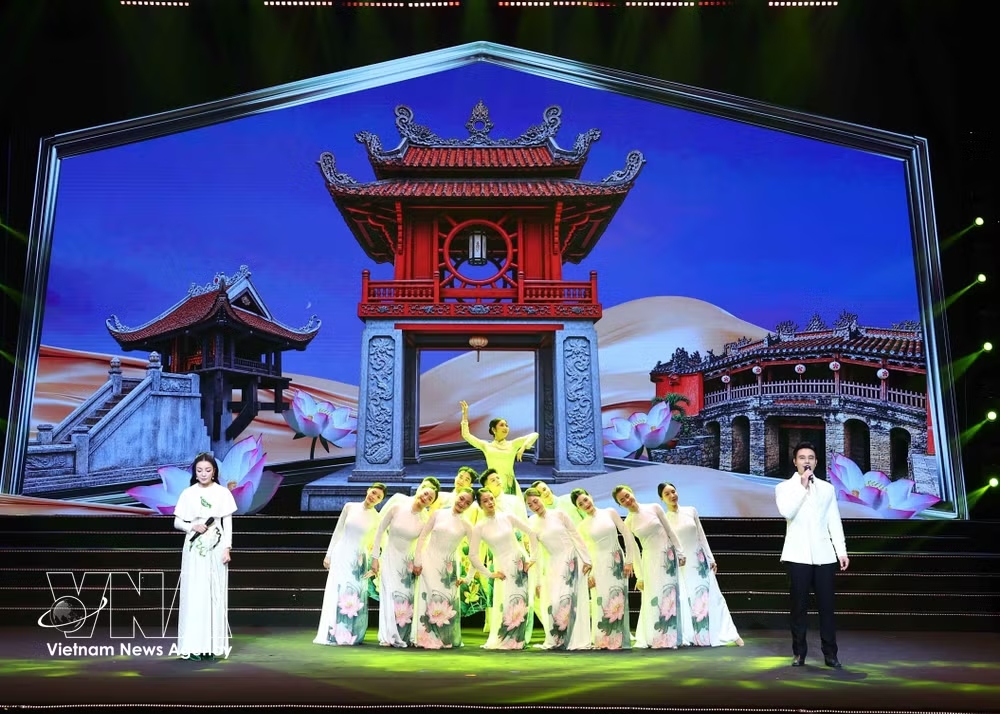
The top leader made the call at a Hanoi ceremony marking the 80th anniversary of the first National Cultural Conference (November 24, 1946 – 2026). The event was jointly organised by the CPV Central Committee, the National Assembly, the President, the Government and the Vietnam Fatherland Front Central Committee.
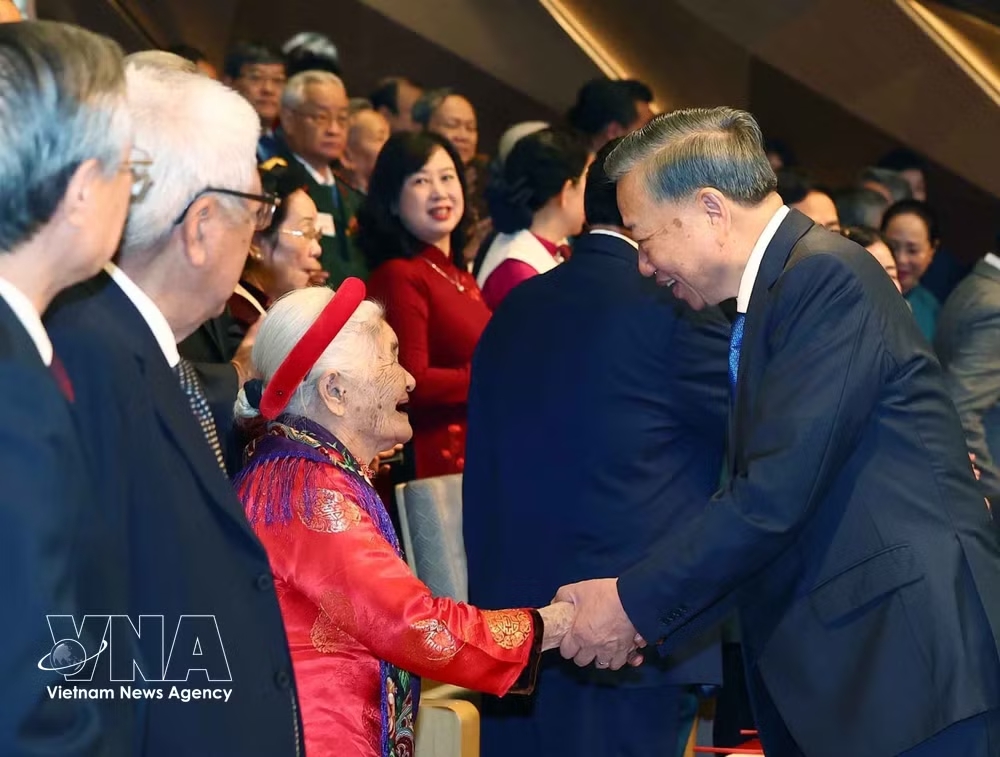
Addressing the ceremony, General Secretary and President To Lam paid tribute to President Ho Chi Minh and expressed gratitude to generations of leaders and those who had devoted themselves and made sacrifices on the cultural front. He also acknowledged the contributions of intellectuals, artists, artisans, teachers, cultural officials and ethnic communities across Vietnam.
He expressed appreciation for those who quietly preserve traditional crafts, pass on knowledge, nurture family values, and safeguard and transmit the nation's cultural heritage to future generations.
The top leader noted that Vietnam is entering a new stage of development, implementing the Resolution of the 14th National Party Congress and working towards its 2030 goals and 2045 vision. These people-centred ambitions require Vietnamese people to possess commensurate qualities, knowledge and creative capabilities.
Digital technology and artificial intelligence are transforming how people learn, communicate, access and create culture. The more open international exchanges become, the more important it is for each person to understand national culture in order to selectively embrace new influences.
Strengthening culture's role in guiding national development
The General Secretary and President stressed the need to candidly acknowledge shortcomings in cultural development. Uncivilised behaviour and declining ethical standards among some segments of society remain a cause for concern. Disparities persist in access to and enjoyment of culture across regions and population groups. In some areas, talent development and heritage protection have yet to receive due attention.
Vietnam's rich cultural resources have not been fully tapped to create compelling works and products. In some places, investment remains overly focused on infrastructure, with insufficient attention to people and the quality of cultural activities, he noted.
According to him, when culture is not given adequate importance, efforts to nurture people and build lasting values can also be constrained. Resolution No. 80 of the Politburo and Resolution No. 28 of the National Assembly have set out orientations, mechanisms and policies for cultural development. The entire political system is responsible for translating the Party's cultural policies into practice, unlocking creative potential and improving people's spiritual lives.
The top leader called for culture to play a stronger role in shaping the country's development. First, a culture of integrity must be built within the Party and state apparatus. Integrity, impartiality and a commitment to serving the people must be reflected in the exercise of power, the fulfilment of promises to the public and the dedication shown in handling official duties.
“The higher an official's position, the greater their responsibility to set an example. In the economy, business ethics must be valued, while legitimate wealth creation should be encouraged alongside responsibility towards workers, communities and the country,” he said.
He also emphasised the need to develop Vietnamese people comprehensively and promote the people's role as the driving force of cultural development. The people are the creators, custodians and transmitters of culture, and ultimately determine its vitality.
Cultural development must help individuals lead better lives and take control of their own futures. Everyone should be encouraged to learn, cooperate and innovate, value labour, and take responsibility for themselves, their families and society. National values, cultural values, family values and standards of Vietnamese people must be reflected in education and everyday conduct.
On preserving national identity while continuously enriching Vietnamese culture, he said each generation has a responsibility to safeguard inherited values and contribute new ones. This requires respect for Vietnamese and the languages and writing systems of ethnic groups, preservation of the core values of cultural heritage, and protection of the living environments and cultural practices of communities.
Creative individuals must be trusted and respected, with greater attention paid to training and nurturing young talent. Creative freedom must be ensured alongside social responsibility and civic obligations. A democratic and open environment should enable creators to explore new ideas, exchange views and engage in well-grounded professional debate with mutual respect, he added.
General Secretary and President To Lam called on intellectuals, artists and artisans to remain closely connected with the people, stand against wrongdoings and evils, and draw on the world's finest cultural achievements to enrich Vietnamese culture.
He also urged efforts to strengthen the autonomy and global reach of Vietnamese culture in the digital era and amid international integration. Vietnam must enhance its capacity to create, produce and bring cultural products to domestic and international audiences, while connecting creators, training institutions, businesses and cultural organisations to develop a distinctive, high-quality and competitive cultural industry.
In the digital space, he emphasised the need to strengthen content creation, master technology and expand public access. The application of technology must go hand in hand with protecting copyright, related rights and creators' legitimate interests.
Alongside efforts to prevent historical distortion and attacks on positive cultural values, Vietnam needs compelling, knowledge-rich works that help audiences, particularly young people, understand and appreciate national culture.
International cultural exchanges should be expanded to facilitate learning and contribute to global cultural life. Overseas Vietnamese should serve as a bridge to bring Vietnamese talent and works to international audiences, fostering mutual understanding, trust and friendship among nations.
The Party and State leader demanded reforms in leadership and management approaches to ensure the conditions for sustainable cultural development, including continued innovation in the Party's leadership over cultural affairs.
“The State should improve institutions and policies to reflect the specific characteristics of culture and the arts, promptly address regulatory and management obstacles, and create favourable conditions for cultural activities to flourish. Resources must be adequately allocated to culture and used effectively in line with Party guidelines and State laws,” he noted.
With November 24 designated as Vietnam Culture Day, the top leader expressed his hope that generations would use the occasion to come together, learn about and deepen their love for national culture.
“Families reading books together, schools organising heritage activities and communities holding artistic events will all help make the occasion meaningful. Activities should be practical and economical, allowing people to participate voluntarily according to their interests and needs,” he stated.
The occasion should also serve as a starting point for fostering positive habits in every family, school, agency and community, he added.
“Let the nation's finest values be carried forward by every individual, family and community, becoming an extraordinary strength driving Vietnam towards prosperity, civilisation and happiness,” he stressed./.VNA

