 Vietnamnet.vn

 Podcast



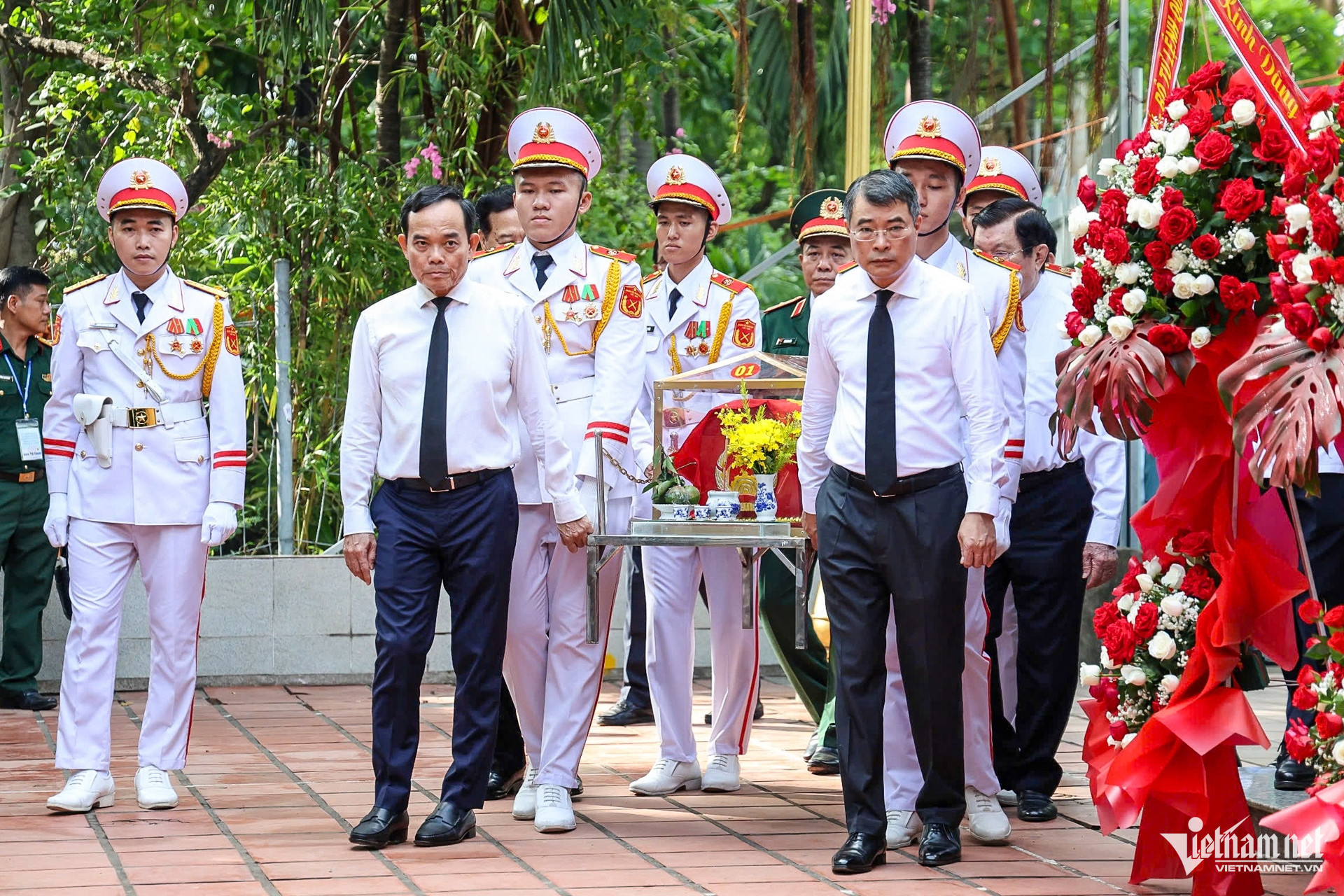
Expanding international cooperation
To improve the effectiveness of the campaign, the Prime Minister instructed authorities to accelerate the search and recovery of remains, particularly in areas where information indicates the possible location of individual or collective graves.
He also called for more intensive analysis of historical records and witness testimonies to expand search areas and ordered the rapid decoding and verification of archival records related to collective graves.
Priority will be given to key localities including Tuyen Quang, Lao Cai, Lang Son, Quang Tri, Hue, Da Nang, Ho Chi Minh City, Dong Nai, Quang Ngai, Dak Lak, Gia Lai and Tay Ninh.
The Prime Minister instructed ministries, agencies and local governments to coordinate the collection, transfer, preservation and storage of biological samples from unidentified graves in cemeteries nationwide.
He also emphasized the need to accelerate DNA collection and analysis from relatives of fallen soldiers for integration into the national gene bank supporting identification efforts.
At the international level, the Prime Minister called for stronger cooperation in sharing information, declassified wartime archives, military artifacts, memorabilia and other war-related data.
Vietnam will also expand cooperation on DNA identification techniques, technology transfer and professional training with Laos, Cambodia, the United States, Australia, South Korea and China, among other partners.
Accelerating mine clearance and DNA identification
The Prime Minister also ordered authorities to complete mine and unexploded ordnance clearance in priority areas this year, particularly in Vi Xuyen, Tuyen Quang, Lao Cai and Lang Son, to facilitate recovery operations.
The Ministry of National Defence has been tasked with completing the collection of biological samples from unidentified graves in northern provinces - from Ha Tinh northward - by December 22 this year.
The remaining southern localities - from Quang Tri southward - are expected to complete sampling by April 30, 2027.
The ministry was also instructed to begin construction of a dedicated facility for preserving and storing fallen soldiers' remains samples before July 27.
Meanwhile, the Ministry of Public Security has been assigned to complete nationwide DNA sample collection from relatives of unidentified fallen soldiers within this year, establish and operate a national gene bank, and modernize Vietnam's DNA identification capabilities.
The Ministry of Foreign Affairs will step up negotiations with foreign governments and international partners to strengthen cooperation on the recovery and identification of war remains.
It has also been instructed to prepare the agenda for Government leaders' planned visit to the United States in October, where cooperation on these issues is expected to be discussed.
The Ministry of Health will deploy additional medical personnel to support sample collection, while the National Institute of Forensic Medicine will receive, preserve and analyze remains samples and acquire additional DNA testing equipment to meet the campaign's workload.
Local governments have been instructed to organize expert consultations to verify historical information and promptly carry out surveys, searches and recovery operations, particularly at suspected collective burial sites.
The Prime Minister also called on provincial and municipal Party secretaries to personally oversee the campaign, mobilize the entire local political system and include progress reviews as a regular item on weekly and monthly leadership agendas to ensure the 500-Day Campaign delivers measurable results.
Tran Thuong
.svg)
