 Vietnamnet.vn

 Podcast



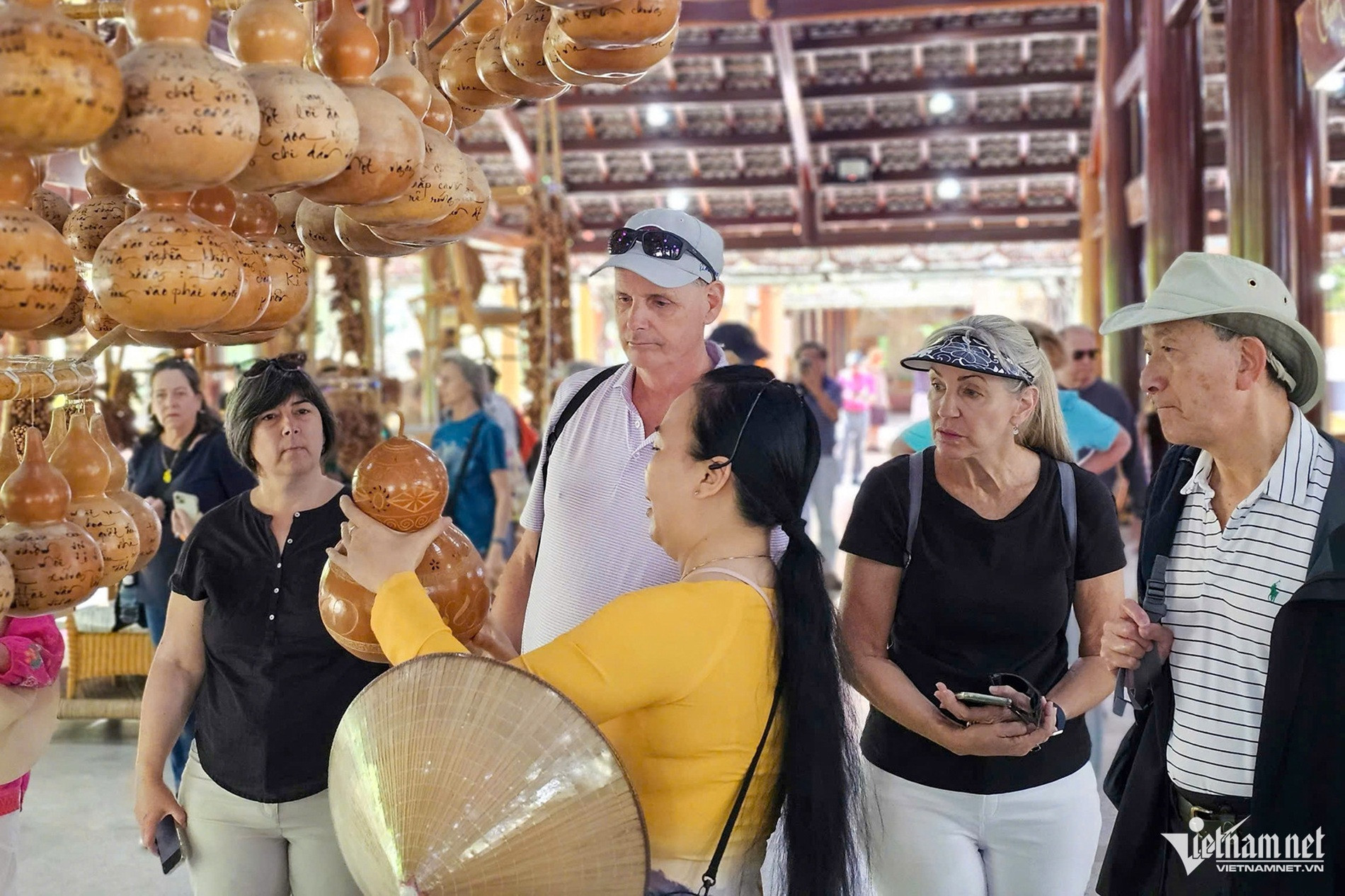
The Da Nang’s Department of Culture, Sports and Tourism recently held an event titled “Da Nang and Russia - CIS: A shared journey, shaping the future,” focusing on ties with Russia and the Commonwealth of Independent States.
Vietnam draws growing interest from Russian visitors
Figures shared at the event showed a sharp rise in arrivals from Russia and other CIS countries in the first eight months of 2026. Russian arrivals alone exceeded 1 million, an increase of about 166% from the same period in 2025.
High-income travelers and those in the premium segment account for an increasing share, suggesting that Vietnam is attracting greater attention among visitors with substantial spending power considering Southeast Asian destinations.
According to Thu Nguyen, business development director for Yandex Ads in Vietnam, restored air services have played an important role in bringing Russian visitors back, but they are not the only factor.
Vietnam’s political stability has helped position it as a safe destination amid disruptions in some traditional Russian holiday destinations, such as Dubai and Thailand. Visa policies comparable to those elsewhere in the region, along with active tourism promotion, have also encouraged arrivals.
Da Nang welcomed more than 440,000 visitors from Russia and the CIS in the first eight months of the year, up nearly 95% year on year, according to Nguyen Thi Hoai An, deputy director of the city’s Department of Culture, Sports and Tourism. The city ranks second after Nha Trang for Russian tourist arrivals.
An said the recovery of Da Nang’s Russian market was linked to the resumption of charter flights connecting the city with locations across Russia and the CIS. Da Nang has also stepped up promotion, business connections and destination marketing on digital platforms.
Changing travel habits call for a more targeted approach
Thu Nguyen said Russian travel habits had changed markedly since the Covid-19 pandemic. Previously, visitors were mainly older travelers on package tours. Now, nearly 80% fall into Gen Z and family travel segments, with the latter around 25–45 years old, and tend to search for flights, hotels and experiences themselves.
Russian visitors often take extended holidays, she said. They increasingly buy one-way tickets, stay longer and visit several Vietnamese cities rather than remaining in a single destination.
These changes place new demands on destinations. Rapid growth in arrivals does not mean visitor numbers should be the sole focus, Thu Nguyen said. Vietnam and Da Nang need to identify their target segments, spending power and expectations for experiences in order to develop suitable tourism products.
Attracting large numbers without paying attention to quality and spending could leave a destination positioned as a low-cost option. Da Nang’s challenge, therefore, is to reach the right segments, improve visitor experiences and increase the value each traveler brings.
Hoang Thai Minh, a representative of Anex Vietnam, said the company connected 21 cities across Russia and the CIS with destinations in Vietnam during the past season. Da Nang alone received visitors from 11 cities.
Russian travelers are increasingly researching destinations, hotels and experiences before deciding on a trip. They are also showing greater interest in spas, boutique properties and resorts, while combining relaxation with sightseeing, entertainment and hotel services.
Ho Giap
.svg)
