 Vietnamnet.vn

 Podcast



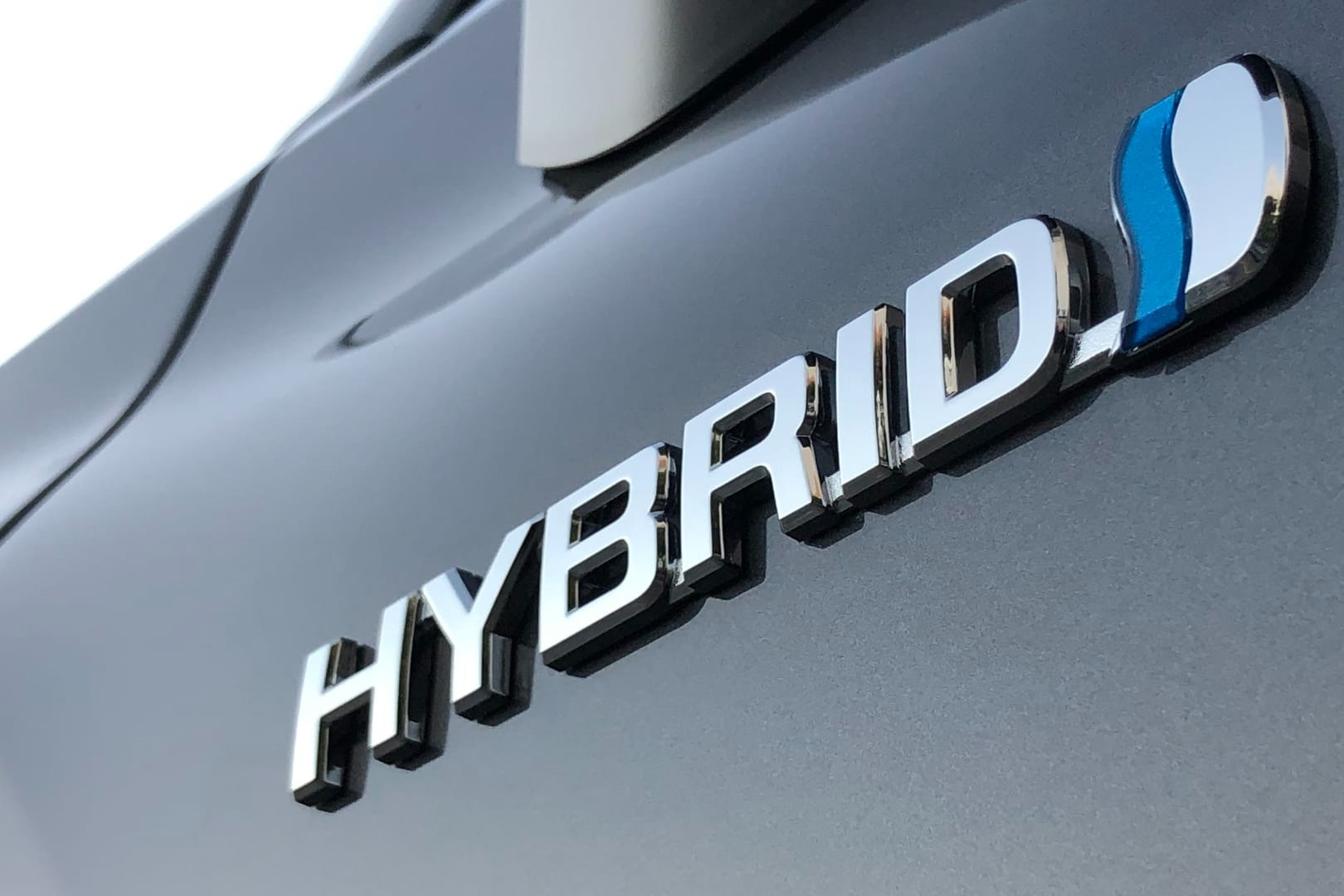
Vietnam’s Register Authority under the Ministry of Construction has officially released fuel consumption benchmarks for gasoline-powered vehicles. These benchmarks will serve as a reference to determine which hybrid electric vehicles (HEVs) qualify for a 30% reduction in special consumption tax under the country's 2026 regulations.
The data, known as FCconv (average fuel consumption), outlines average gasoline consumption figures by engine displacement category. According to the table, cars with engines up to 1,500cc must not exceed 6.33 L/100km, with the maximum listed fuel consumption reaching 19.64 L/100km for vehicles over 6,000cc.
Under Decree 360/2025/ND-CP - effective from January 1, 2026 - both self-charging (HEV) and plug-in hybrid (PHEV) vehicles can benefit from a 30% reduction in special consumption tax, provided their fuel consumption is at least 30% lower than comparable gasoline vehicles.
Two methods to determine eligibility:
The decree outlines two methods for assessing hybrid eligibility:
Method 1: Compare the hybrid vehicle’s fuel consumption (FCeq) under standard test cycles with the FCconv value for gasoline vehicles of the same engine displacement. If the FCeq/FCconv ratio is below 70%, the vehicle qualifies.
Example: The Honda CR-V e:HEV, with a 2.0L engine and reported average consumption of 5.2 L/100km, falls in the 1,500cc–2,000cc category. Compared to the FCconv of 7.52 L/100km, its ratio is 69.15% - below the 70% threshold - making it eligible for the tax incentive. However, the fuel consumption must be certified by an authorized agency.
Another qualifying model is the Toyota Corolla Cross Hybrid 1.8 HEV, which records a combined fuel use of 3.67 L/100km - only 48.8% of the corresponding FCconv - easily qualifying for the tax reduction.
Similarly, the Toyota Yaris Cross HEV, with 3.8 L/100km, registers a 50.5% ratio - also under the 70% benchmark.
Vehicles that may not qualify:
Some hybrid models exceed the 70% fuel use threshold and may not benefit from the tax cut. For instance:
The Suzuki XL7 Hybrid consumes 5.9 L/100km. Compared to the 7.52 L/100km FCconv for 1.5L engines, the ratio is 78.5%.
The Hyundai Santa Fe Hybrid with a 1.6L turbocharged engine consumes 6.37 L/100km, equating to 84.7% of the FCconv value.
Method 2: Compares the hybrid car with a gasoline model of the same brand, configuration, passenger capacity, and body type, ensuring the gasoline model has equal or smaller engine displacement. The consumption figures used must come from the latest quality and environmental safety certification issued by a competent authority.
In short, to qualify for a 30% tax reduction, a hybrid must either:
Consume less than 70% fuel compared to the average of gasoline cars in the same engine category (Method 1), or
Consume 30% less fuel than a gasoline vehicle of the same brand and specs (Method 2).
As the new policy takes effect in 2026, hybrid car buyers and manufacturers will be able to more clearly identify which models qualify for tax incentives based on transparent, technical criteria.
FCconv values by engine displacement:
≤ 1,500cc: 6.33 L/100km
· 1,500cc – 2,000cc: 7.52 L/100km
· 2,000cc – 2,500cc: 8.98 L/100km
· 2,500cc – 3,000cc: 11.13 L/100km
· 3,000cc – 4,000cc: 11.57 L/100km
· 4,000cc – 5,000cc: 13.18 L/100km
· 5,000cc – 6,000cc: 16.98 L/100km
· 6,000cc: 19.64 L/100km
Hoang Hiep
.svg)
