 Vietnamnet.vn

 Podcast


With its rich and diverse intangible cultural heritage, Vietnam has strong potential to develop creative tourism and create distinctive products. However, experts say turning heritage into a driver of sustainable tourism requires a balanced approach that preserves original values, encourages innovation, and ensures local communities play a central role.
According to the Ministry of Culture, Sports and Tourism, Vietnam has more than 40,000 relic sites and nearly 70,000 inventoried intangible cultural heritage elements. These include 149 special national relic sites, 3,688 national relic sites, 735 elements on the National List of Intangible Cultural Heritage, 357 National Treasures and 177 museums housing more than four million documents and artefacts. These resources provide a strong foundation for developing creative tourism products.
In Hue, visitors can explore the largely intact architecture of the former imperial capital and experience traditional activities such as learning Hue folk singing on the Huong River, royal-style tea and joining workshops on traditional costumes and court rituals. The year-round Hue Festival and other cultural programmes have diversified the city's tourism offerings.
In the first nine months of 2026, Hue welcomed 6.4 million visitors, up 29% year on year, including a 35.5% increase in international arrivals. Tourism revenue reached 15.4 trillion VND (600 million USD), up 60%.
Bac Ninh, with more than 4,000 relic sites, 24 National Treasures and 28 nationally recognised intangible cultural heritage elements, also has considerable potential. Eight heritage elements inscribed by UNESCO, alongside traditional folk arts and rituals, provide material for distinctive tourism products.
In Hoi An, visitors can take part in lantern-making and traditional cooking classes or explore the ancient town at night. Hanoi, meanwhile, has promoted its identity as a creative city through Ca Tru, Xam and Cheo performances in the Old Quarter, as well as craft experiences in Bat Trang pottery village and Van Phuc silk village.
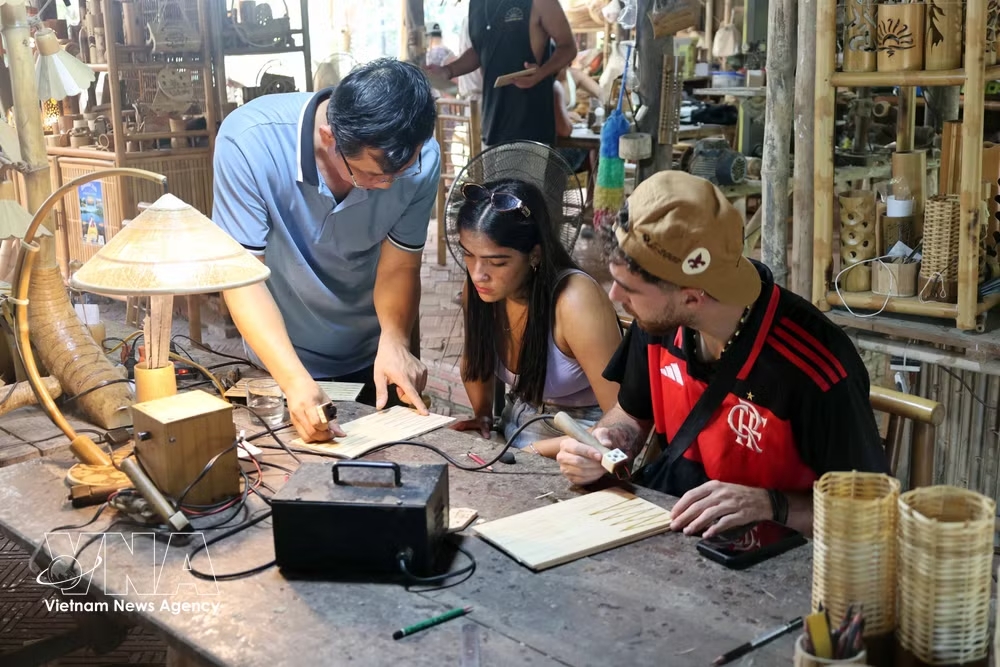
Phung Quang Thang, Chairman of the Vietnam Green Tourism Association, said creative tourism products should be rooted in local customs, traditional crafts, cuisine, festivals, language and folk stories. Authentic cultural experiences allow visitors to contribute to heritage preservation, while residents can become creators of tourism products and ambassadors for their communities, strengthening cultural pride, he said.
Despite this potential, creative tourism linked to intangible heritage still faces challenges. Nguyen Thi Phuong Lan of the Vietnam Institute of Culture, Arts, Sports and Tourism under the Ministry of Culture, Sports and Tourism said some localities continued to rely on staged performances and superficial recreations, with insufficient attention to visitor interaction and creativity. Some also confused cultural creativity with commercial entertainment, risking the loss of heritage's original character and symbolic value.
She pointed to inadequate coordination among the culture, tourism, education and media sectors, unclear incentives, limited public-private partnerships and a shortage of personnel with the cultural knowledge needed to develop creative products. Training for artisans, tour guides and event organisers also remained fragmented.
Lan warned that excessive commercialisation and the dominance of modern entertainment could undermine traditional values. She said heritage should provide the creative foundation for tourism, while tourism, in turn, could generate economic and social incentives for communities to preserve and pass on cultural traditions.
With proper management, creative tourism could help shift heritage preservation from simply safeguarding traditions to keeping them alive in contemporary community life. Experts stressed the need for oversight, ethical criteria and professional standards to ensure that tourism development respects heritage's authenticity.
Developed responsibly, creative tourism can generate economic benefits, strengthen cultural identity and enhance community creativity, helping Vietnam build distinctive and sustainable destinations./. VNA

