 Vietnamnet.vn

 Podcast



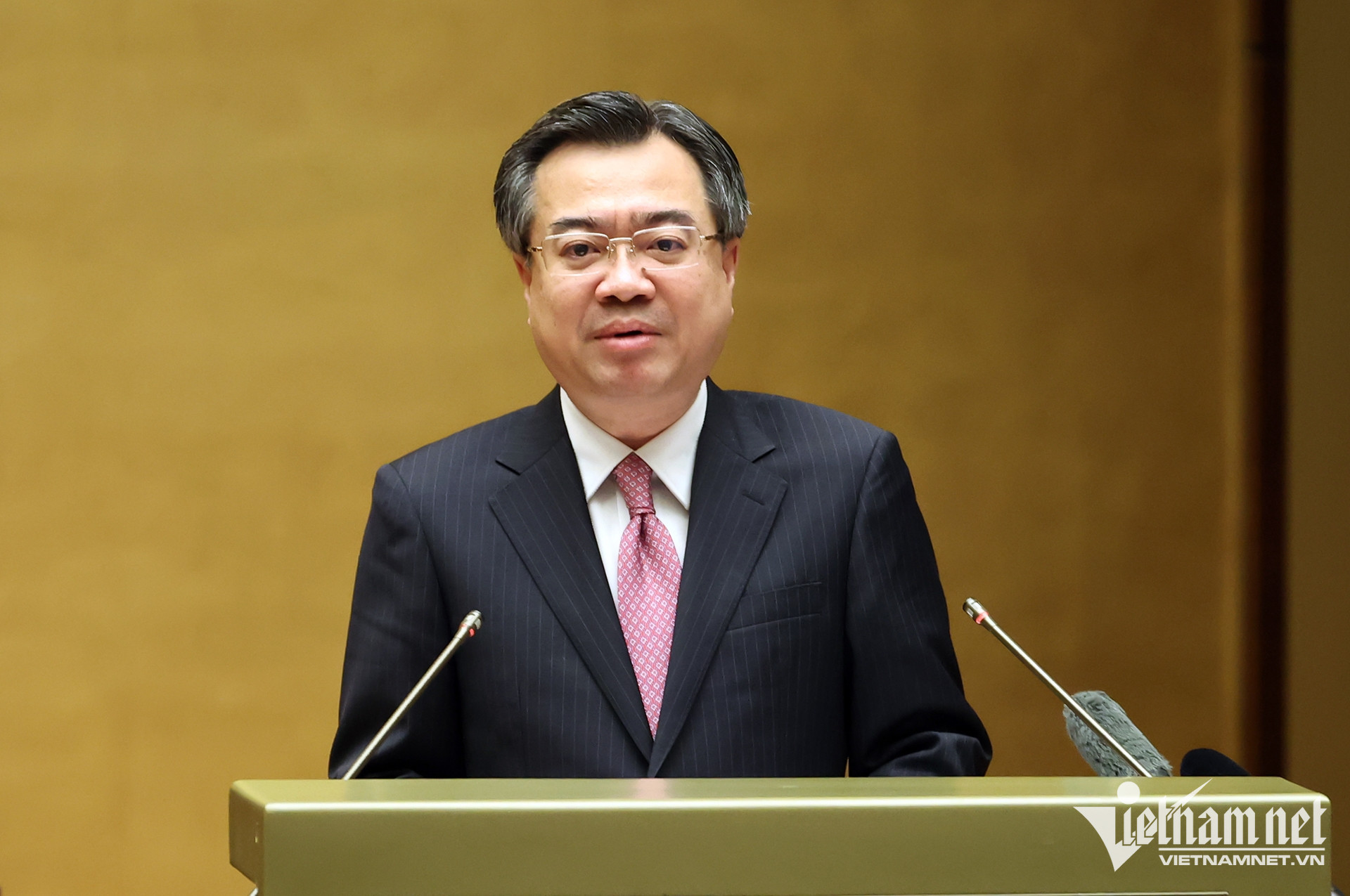
Speaking on July 29 at the national conference to study and implement the Resolution of the 3rd Plenum of the 14th Party Central Committee, Nghi presented a thematic report on the Resolution regarding the renewal of Vietnam’s development model.
From an underdeveloped economy, Vietnam has emerged as a dynamic, fast-growing economy with substantial GDP expansion. By 2025, Vietnam ranked 32nd globally and fourth in ASEAN in GDP size, placing among the top 15 nations with the largest trade volume worldwide. Per capita income has increased significantly, officially elevating Vietnam to upper-middle-income status in 2025.
People's material and spiritual lives have continually improved, while the country's international standing and prestige are increasingly affirmed.
However, the process of reforming the national development model remains slow, and national governance reform has not kept pace with development requirements.
Meanwhile, the world is undergoing epochal shifts. Breakthroughs in science, technology, innovation, and digital transformation are profoundly shaping development models, presenting both major opportunities and formidable challenges.
According to Nghi, the Resolution on renewing Vietnam's development model outlines five guiding principles.
The first principle emphasizes foundational rules in model reform, specifically maintaining the "four steadfast principles," ensuring the Party's comprehensive, absolute, and direct leadership, and enhancing the state's role in facilitating development.
The second defines the essence of the new development model as transforming the way the nation is organized, governed, and operated to create new development capacity. It also outlines a self-reliant, innovative, people-centered, sustainable, and globally integrated development model, placing people at the center, as the objective, driving force, and main actors of development.
The third principle addresses the operational mechanism and positioning of component models.
The fourth focuses on mobilizing and maximizing all available resources to renew the development model, intending to build a prosperous, democratic, civilized, and happy nation, alongside a disciplined, safe, harmonious, and developed society.
The fifth emphasizes that the transformation must be implemented comprehensively, in a coordinated manner, and adapted to each stage of development.
Targets and long-term vision
Nghi said the Party has agreed on the goal of establishing the foundations of the new development model across all sectors by 2030, in line with the standards of an upper-middle-income country with a modern industrial base.
By then, Vietnam aims to achieve breakthroughs in institutional reform and modern national governance, as well as in science, technology, innovation, strategic infrastructure, national knowledge infrastructure, high-quality human resources, and leading enterprises, while fulfilling the goals set by the 14th National Party Congress.
By 2035, Vietnam aims to complete the transition to a self-reliant, innovative, people-centered, sustainable, and globally integrated development model, with all of its component models synchronously established.
These include a highly efficient, innovative, green, self-reliant, inclusive, and globally integrated economy; a modern, comprehensive, inclusive, and sustainable social development model; a cultural and human development model that is modern, innovative, deeply rooted in national identity, and people-centered; an intelligent, sustainable, and climate-resilient ecological model; a modern, self-reliant, intelligent, dual-use, and adaptive national defense model; a comprehensive, proactive, modern, and intelligent national security model; a proactive, comprehensive, effective, and development-oriented foreign affairs and international integration model; and a democratic, modern, intelligent, transparent, effective, and efficient national governance model.
By 2045, the new development model and all of its component models are expected to operate in a synchronized, harmonious, and effective manner.
Vietnam aims to become a high-income developed country steadily advancing toward socialism. Its economy will be driven by knowledge, science, technology, innovation, green and circular growth, strategic self-reliance, and deep international integration, while mastering key strategic technologies.
Looking ahead to 2130, Vietnam envisions becoming an advanced socialist nation that is civilized, modern, innovative, culturally distinctive, and resilient, while emerging as one of Asia's leading green economies and smart manufacturing hubs.
By then, Vietnam also aims to hold an important position in the global landscape of knowledge, technology, economy, defense, and security, with a prosperous, inclusive, fair, and happy society, a strong national identity, well-rounded human development, the capacity to adapt to any global changes, and meaningful contributions to humanity.
To achieve these objectives and vision, Nghi noted that the Central Committee's resolution outlines key tasks and solutions covering institutions, national governance, and political system reform; the economy; society; culture and human development; ecological environment; defense and security; and foreign affairs and international integration.
Tran Thuong
.svg)
