 Vietnamnet.vn

 Podcast



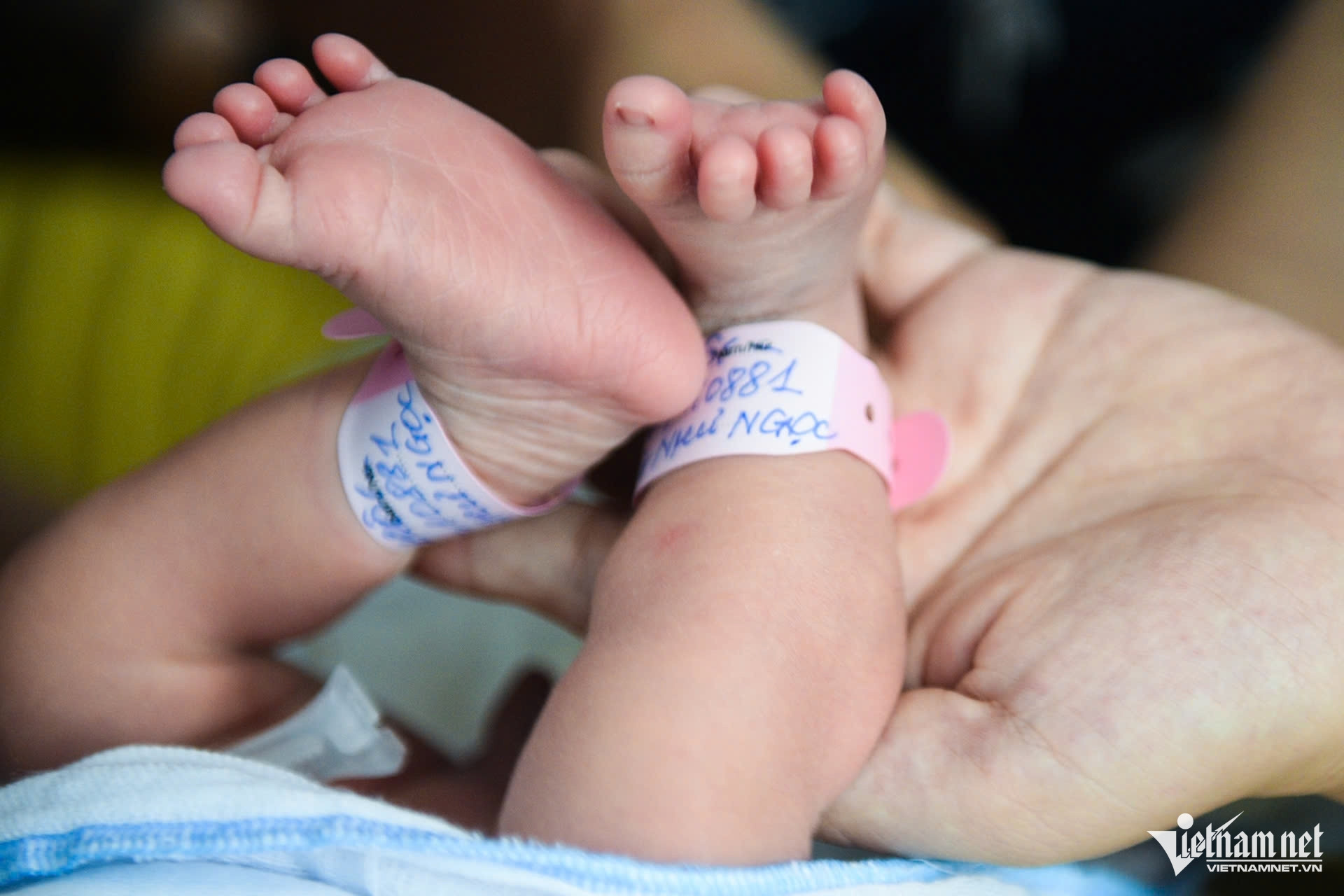
Amid a widespread decline in fertility, with many couples hesitant to have children, the Ministry of Health has set a target to increase the national birth rate by 2 percent annually, while ensuring that all localities implement support policies for childbirth and childcare.
The plan is outlined in the national program on maintaining replacement-level fertility through 2030, signed by Minister of Health Dao Hong Lan. It also aims for 100 percent of provinces and cities to adopt policies supporting couples and individuals in having and raising children.
According to data from the General Statistics Office under the Ministry of Finance for 2025 (from July 1), 11 out of 34 provinces recorded fertility rates below two children per woman, 19 out of 34 had rates of 2.2 children or higher, and four provinces were around the replacement level of 2.0 to 2.2 children per woman.
“The evaluation of the fertility adjustment program shows that the declining birth trend is occurring widely, both in areas with previously high and low fertility rates,” the Ministry of Health stated.
Nationwide, fertility has remained below two children per woman since 2023. In 2024, it dropped to 1.91 children per woman, the lowest level ever recorded.
Health authorities emphasized that Vietnam failed to maintain replacement-level fertility nationwide during the 2020-2025 period, and it is projected that the country may struggle to achieve this goal by 2030.
The program aims to increase birth rates to reach and sustain replacement levels nationwide, ensuring sufficient human resources and contributing to the successful implementation of Vietnam’s population strategy through 2030, while supporting rapid and sustainable development.
Recently, the Ministry of Health proposed that the state allocate more than VND1,800 billion (US$74 million) annually to provide financial support for three groups of women when giving birth, with a minimum of VND2 million (US$82) per case. The groups include women from very small ethnic minorities, women in provinces with below-replacement fertility rates (2.1 children), and women who have two children before the age of 35.
According to the United Nations Population Fund (UNFPA), every US$1 invested in maternal health can generate US$8.4 in economic returns, while each US$1 invested in family planning could yield US$10.1 in economic benefits by 2050.
Vo Thu
.svg)
