 Vietnamnet.vn

 Podcast



The draft scheme on medical tourism development for 2026-2030, which is being circulated for feedback, seeks to make Vietnam a competitive destination in Southeast Asia and gradually bring the country closer to Asia’s leading group.
Strong healthcare capacity
According to Ha Anh Duc, Director of the Ministry of Health (MOH)’s Department of Medical Examination and Treatment Management, medical tourism in Vietnam has recorded initial positive results, with an estimated 300,000 international visitors each year. Their total spending is estimated at 1-2 billion USD annually, covering medical services, accommodation, transportation, food and other expenses.
Vietnam has considerable healthcare capacity, with 2,107 hospitals, more than 339,000 hospital beds and over 105,000 doctors as of 2025. Its specialised healthcare system comprises 103 hospitals, including 13 providing highly advanced technical services, mainly in Hanoi, central Hue city and Ho Chi Minh City.
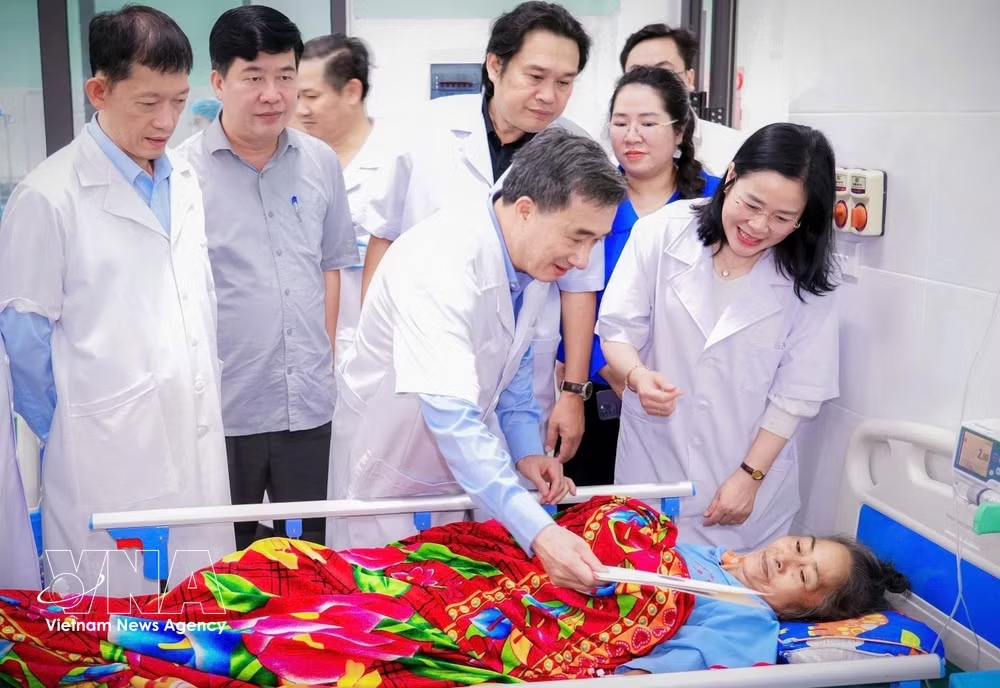
Many Vietnamese medical facilities have mastered complex procedures such as robotic surgery, organ transplantation, cardiovascular intervention, cancer treatment and assisted reproduction, along with specialised treatments in ophthalmology, otolaryngology and dentistry. These capabilities provide an important foundation for developing medical tourism products combining healthcare with tourism and resort services.
However, current statistics do not separately identify medical service revenue and include both foreigners residing in Vietnam who regularly use healthcare services and international visitors specifically seeking treatment, the department said.
Medical tourism remains concentrated in major cities. Ho Chi Minh City currently accounts for about 40% of international medical tourists, supported by its advanced healthcare system and active tourism promotion, followed by Hanoi. Da Nang, Hue and Khanh Hoa are gradually developing medical tourism products based on their strengths in resort tourism and traditional medicine.
Vietnam has yet to establish a national medical tourism brand. Meanwhile, Vietnamese people are estimated to spend 2-3 billion USD annually on medical treatment abroad, exceeding total revenue from inbound medical tourists, highlighting the sector’s current deficit and the need to improve service quality and competitiveness.
Huge room for growth
Deputy Minister of Health Tran Van Thuan said demand for medical tourism in Vietnam is becoming increasingly evident. The sector has developed technical capabilities approaching international standards, while treatment costs remain competitive and many services can be provided relatively quickly.
He noted that many Vietnamese living abroad return to Vietnam for treatment before going back overseas, in some cases saving hundreds of thousands of US dollars.
These advantages give Vietnam significant potential to attract both overseas Vietnamese and foreign patients, creating additional value for the healthcare sector and the wider economy.
Developing medical tourism requires coordinated efforts by ministries, agencies, public and private hospitals and relevant businesses, Thuan stressed, saying that this would help leverage Vietnam’s medical expertise, competitive costs and service quality while enhancing its position in the regional and international medical tourism market.
The draft scheme envisions expanding services in modern medicine, traditional medicine and pharmacy, rehabilitation, comprehensive healthcare and elderly care, while gradually approaching international standards. It also seeks to build a national brand for Vietnamese medical tourism, strengthen the domestic healthcare system and improve access to high-quality services for local people.
Thuan also underlined the need to establish a medical tourism association to support the sector’s development.
Medical tourists to Vietnam currently mainly comprise overseas Vietnamese and visitors from Cambodia, Laos, the Republic of Korea, Japan, Australia and several European countries. Popular services include cosmetic dentistry, assisted reproduction, aesthetic medicine, general health check-ups and some advanced medical specialties./.
.svg)
