 Vietnamnet.vn

 Podcast



Speaking at the 11th National Congress of the Vietnam Fatherland Front for the 2026-2031 term in Hanoi, Pham Gia Tuc said the initiative reflects increasingly close coordination between the government and the Fatherland Front in governance, social welfare and public engagement.
According to the deputy prime minister, the two sides have worked closely to strengthen national unity, mobilize social participation and encourage contributions from ethnic communities, religious groups and overseas Vietnamese in national development and defense.
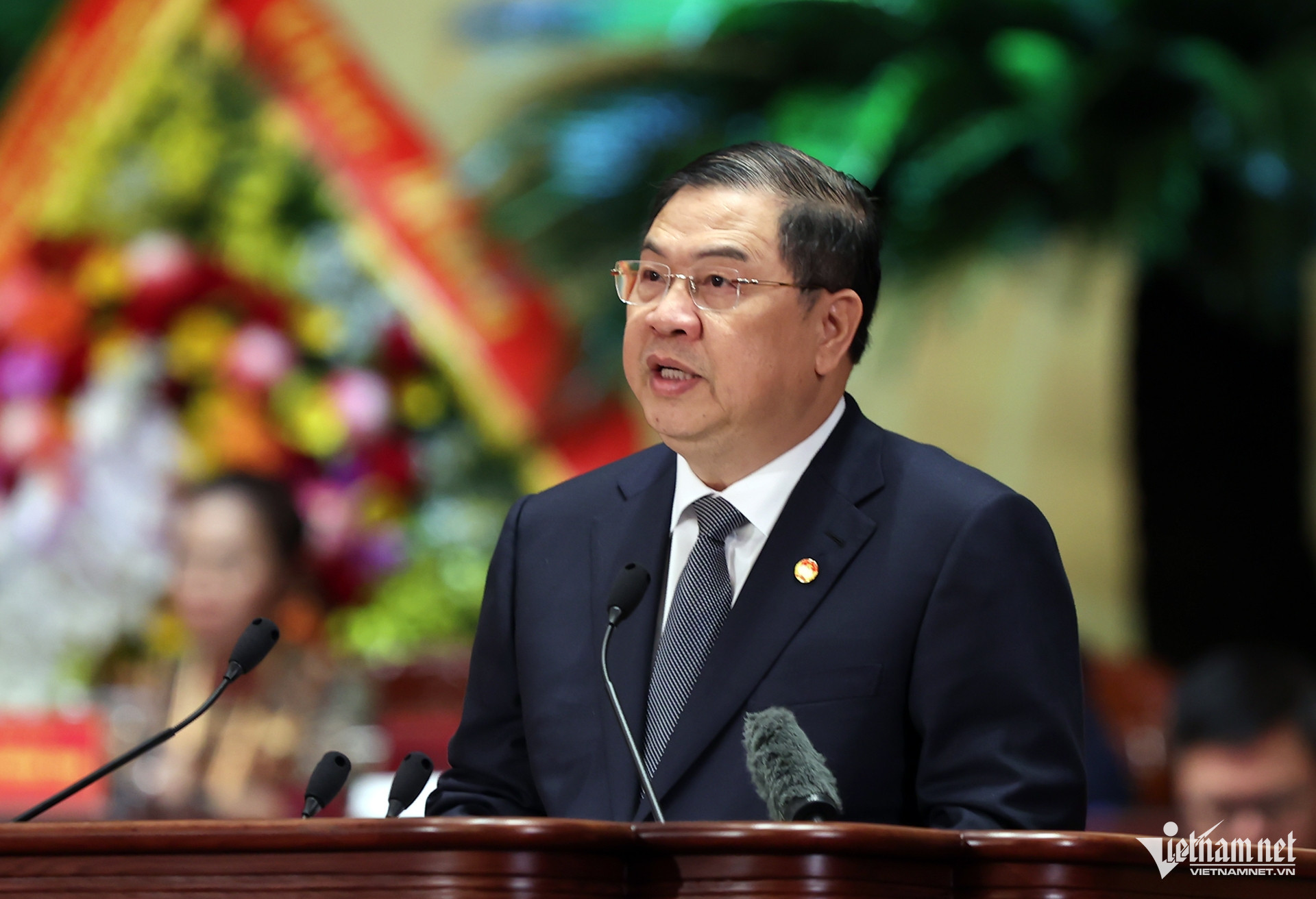
Tuc said the government and the Fatherland Front had also coordinated a wide range of social welfare programs, including tuition support for students from preschool to high school, lunch assistance for children in disadvantaged areas and the construction of inter-level schools in 248 border communes.
The two sides have additionally cooperated in implementing nationwide programs to eliminate temporary and dilapidated housing.
According to Tuc, the “Homes for Our People” initiative in 2025 completed the target set by the 13th Party Central Committee Resolution five years and four months ahead of schedule.
The deputy prime minister also highlighted large-scale public participation in rural development programs, saying millions of households had voluntarily contributed more than 98.2 million square meters of land along with tens of trillions of dong and labor days for new rural infrastructure projects.
In policymaking and social oversight, the Vietnam Fatherland Front and its member organizations contributed opinions on more than 3,240 policy proposals and 4,670 socio-economic development programs, while also commenting on 23 laws, 75 decrees and 58 draft laws.
The government and the Fatherland Front have also coordinated public consultations related to administrative unit mergers, while strengthening supervision and social criticism in anti-corruption efforts and the settlement of citizen complaints and denunciations.
“The government always consults the Presidium in mobilizing and promoting the strength of overseas Vietnamese communities toward national construction and defense, preserving cultural identity and expanding people-to-people diplomacy,” Tuc said.
Looking ahead, the government and the Vietnam Fatherland Front will continue coordinating efforts to encourage public participation in implementing the resolutions of the 14th National Party Congress, while pursuing double-digit economic growth targets and ensuring the effective operation of Vietnam’s new two-tier local government model.
One of the new initiatives announced at the congress is the organization of a nationwide “Month of Listening to the People” campaign alongside the rollout of the Digital Front platform, which will allow citizens to submit feedback and recommendations 24 hours a day, seven days a week.
Authorities also plan to develop emulation and civic participation campaigns based on public satisfaction data and digital governance metrics.
“The government always considers coordination between the government and the Vietnam Fatherland Front a prerequisite to ensuring that all policies reflect the realities of people’s lives and receive public consensus,” Tuc said.
Thanh Hue
.svg)
