 Vietnamnet.vn

 Podcast



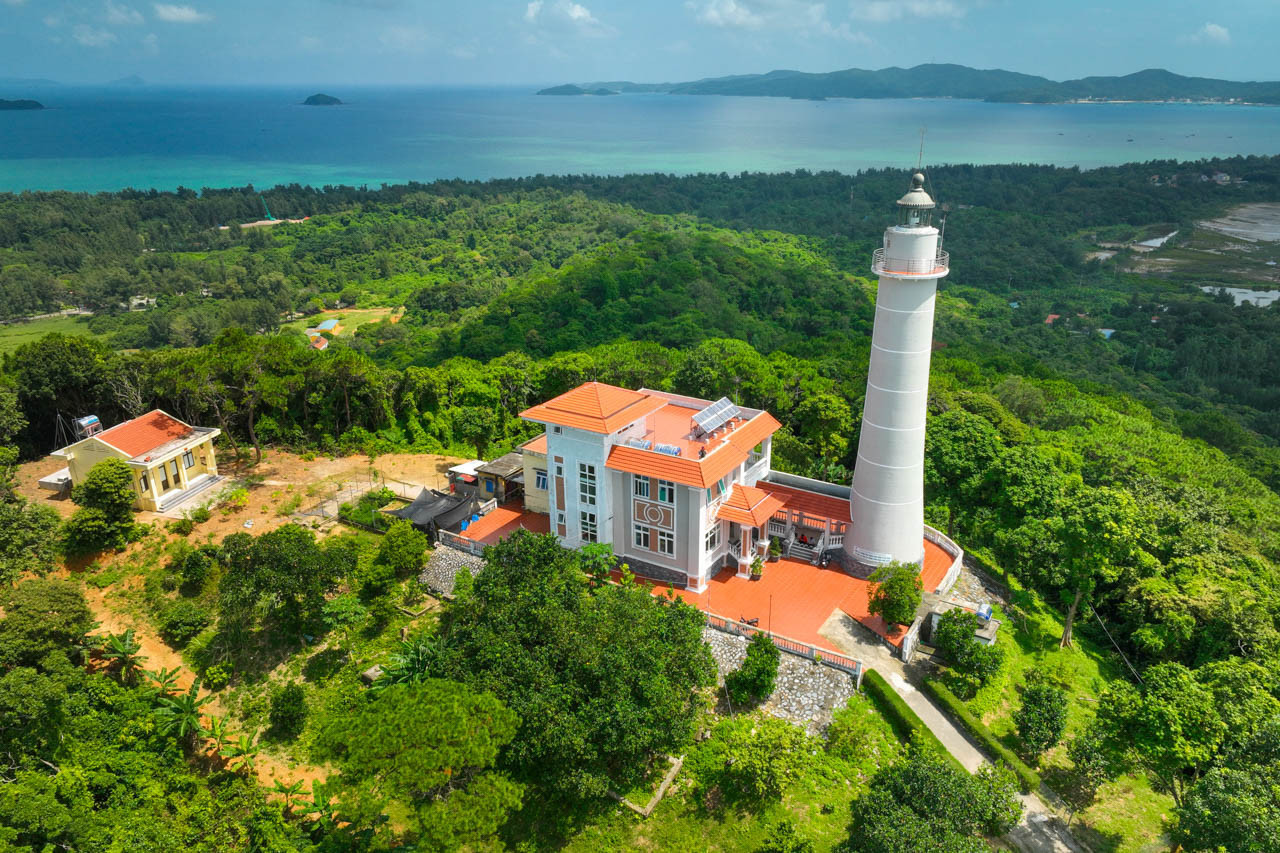
From January 1, Circular No. 26 issued by the Ministry of Home Affairs has officially brought into effect a new list of socio-economically disadvantaged areas. The list serves as a basis for identifying cases in which workers may retire at a younger age than the statutory retirement age under normal working conditions.
Under Circular 26/2025, the determination of working time in especially difficult areas-considered a key factor when assessing early retirement eligibility-is divided into specific phases.
First, for the period before January 1, 2021, any time a worker was employed in a locality receiving a regional allowance coefficient of 0.7 or higher, or an allowance of 25% or higher, is recognized as time spent working in an area with particularly difficult socio-economic conditions. This time can be used as a basis for early retirement consideration.
Second, from January 1, 2021 until before January 1, 2026, the determination of working time in especially difficult areas continues to follow the list promulgated together with Circular 19/2021/TT-BLDTBXH.
For the transitional period from July 1, 2025 until before January 1, 2026, working time in especially difficult areas is determined based on the localities applicable in June 2025. This is intended to ensure uninterrupted entitlements for workers during the transition.
According to Circular 26/2025, the list of areas with particularly difficult socio-economic conditions used to determine early retirement eligibility spans many provinces and cities. It includes numerous mountainous communes, border areas, islands, special zones, and other distinctive localities.
The list includes special zones such as Tho Chau (An Giang), Truong Sa (Khanh Hoa), Co To (Quang Ninh), Ly Son (Quang Ngai), Con Co (Quang Tri), Hoang Sa (Da Nang), Bach Long Vy (Hai Phong), and Con Dao (Ho Chi Minh City), among others.
It also covers many remote and border communes in provinces including Cao Bang, Dien Bien, Lai Chau, Son La, Lao Cai, Nghe An, Thanh Hoa, Gia Lai, and Dak Lak.
In addition, the list encompasses lighthouse stations, DK1 offshore platforms, and a number of specialized production and administrative units.
Under current regulations, in 2026 the retirement age for workers under normal working conditions is 61 years and six months for men, and 57 years and eight months for women.
In 2027, the retirement age will continue to rise to 61 years and nine months for men, and 58 years for women.
As the retirement age gradually increases under the national roadmap, the hardship-region list under Circular 26/2025 is seen as an important reference to safeguard entitlements for workers who have spent many years working in areas with exceptionally harsh living and working conditions.
Vu Diep
.svg)
