 Vietnamnet.vn

 Podcast



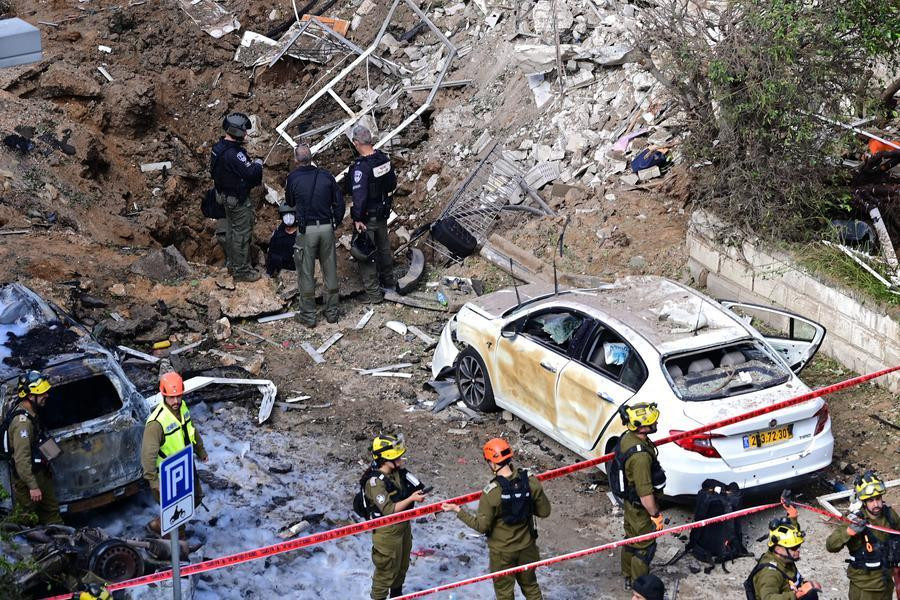
In recent days, the security situation in Israel has continued to evolve in a complex manner, with widespread missile alerts reported. Notably, attacks have targeted a chemical industrial zone in southern Israel, Ne’ot Hovav, and the Bazan oil refinery complex in Haifa, raising concerns about potential hazardous material leaks and environmental and public safety risks.
Several areas across Israel have also recorded localized incidents affecting civilian infrastructure and daily life. In response, Israeli authorities have maintained strict nationwide civil defense measures.
According to an announcement on March 30 by Israel’s Home Front Command, civil defense policies will remain in effect from 8:00 am on March 30 until 8:00 pm on April 4, unchanged from the previous period. Across many regions, restrictions on activities continue. In-person educational activities are suspended; gatherings are limited to a maximum of around 50 people provided that standard-compliant shelters are available; workplaces are permitted to operate only if safety requirements are met; and beaches remain closed.
Given the situation, the embassy advises Vietnamese citizens to regularly monitor guidance issued by the Home Front Command in their area and to prepare plans to quickly access the nearest shelters.
Residents are urged to stay away from high-risk locations such as chemical plants, industrial zones, airports, seaports and critical infrastructure facilities. If located near areas where incidents occur, they should limit movement, remain indoors, keep doors and windows closed, and strictly follow instructions from local authorities.
The embassy also emphasizes that citizens must not approach, film or photograph areas that have been attacked or show signs of danger.
According to the Vietnamese Embassy, after more than one month since the conflict escalated, the Vietnamese community in Israel remains safe.
Tran Thuong
.svg)
