 Vietnamnet.vn

 Podcast



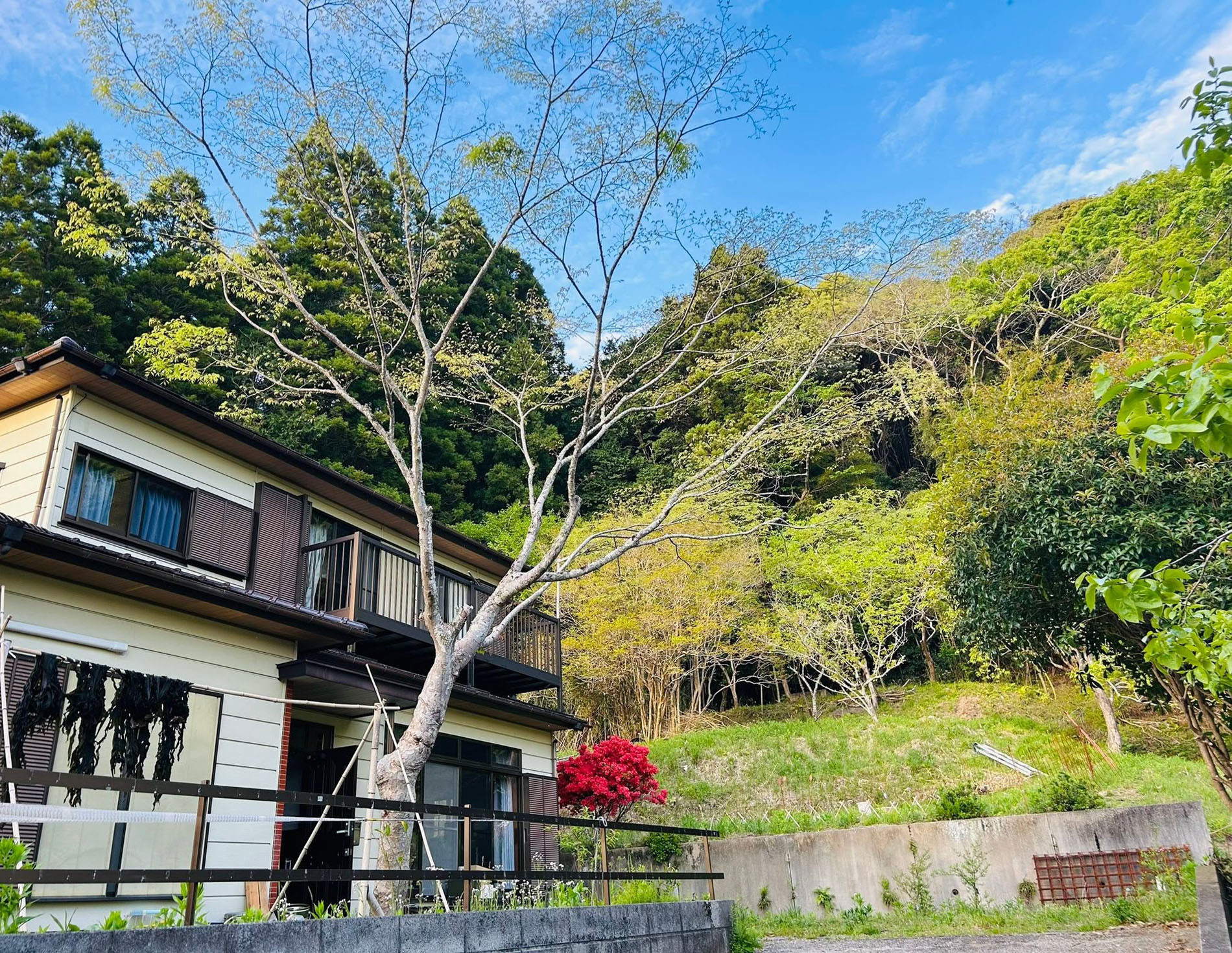
Le Thu Tam (originally from Lam Don, Vietnam) and her husband (a native of former Tien Giang) once lived in Kisarazu, a city in southwestern Chiba Prefecture, Japan. At the time, she worked as an office worker and interpreter, while her husband was employed at a company specializing in wooden component manufacturing and construction installation.
Although life there was convenient and their home was just a 5-minute drive from work and essential amenities, the couple longed for a living space close to and harmonious with nature.
In 2024, after a period of preparation and learning skills necessary for self-sufficient living, the couple decided to relocate to the suburbs.
"At the time, I traveled all over Chiba Prefecture, from the coast up into the mountains and deep into forests, searching for a plot of land that matched our capabilities and desires. Ultimately, we settled on a house nestled in the forest, yet only a 40-minute drive from the coast. This coastline is long and features stunning scenery facing the Pacific Ocean," Tam recalled.
The Lam Dong native shared that their family's new living compound spans a total area of 6,600 square meters. The property includes a bamboo hill, mature trees, several storage sheds, and two large residential houses.
The land is sheltered by greenery on three sides, with the remaining side bordering a main road while still ensuring privacy and tranquility.
"This property was built by its previous owner in 1993 with a substantial financial investment, estimated at around VND20 billion at the time. Fortunately, our family acquired it at a very reasonable price, roughly one-sixth of the original investment capital," she shared.
Living in harmony with nature, setting aside land for wildlife
Tam noted that her husband continues working in the city, located about 28 kilometers from home, while she transitioned to remote work to spend more time caring for their children and nurturing the family's living environment.
Despite their busy schedule, the couple prioritizes a self-sufficient lifestyle, step-by-step reducing reliance on external services, from electricity, water, and food to healthcare and education.
Specifically, the Vietnamese couple chops firewood for storage reserves and burns forest wood to make charcoal for daily cooking and disaster preparedness in case of power or gas outages.
They are also completing a well-water system to secure an independent water supply and transition away from municipal tap water.
In the garden, she grows a variety of vegetables and fruits while raising chickens for eggs to ensure a daily source of clean food.
Tam shared that the family prioritizes seasonal cultivation and practices natural care methods, consuming whatever is harvested without placing pressure on yield or generating supplemental income.
"Our family's living standard is to refrain from doing anything that harms nature or the soil environment.
“The whole family learns to return to a peaceful life alongside nature, observing and experiencing small details: growing vegetables alongside grass, raising silkworms for cocoons and pupae, using wood ash to make laundry water, fermenting soapberries for cleaning agents, and processing food waste into feed for black soldier flies to feed their larvae to our chickens.
“I also set aside a portion of land on the hill so wild animals can live safely. Because our area hosts various wildlife species like wild boars, deer, martens, pheasants, and monkeys, they occasionally enter to disturb the garden. However, I installed basic fencing so our farming remains unaffected," she said.
The Vietnamese native revealed that their children’s education leans toward child-centered, free development with constant parental companionship.
For her, cuddling her children beside a warm hearth, stargazing from the balcony, raising silkworms and chickens together, and sharing food with small animals represent both authentic life experiences and valuable lessons - helping her children absorb knowledge, master life skills, and cultivate observation, love, and empathy.
Thao Trinh
.svg)
