 Vietnamnet.vn

 Podcast


Rebuilding after storms through medicinal herbs
The Cu Nam Clean Medicinal Plant Production and Agricultural Business Cooperative, based in Bo Trach Commune, Quang Tri Province, was founded in 2018 by Nguyen Thi Giang.
Before establishing the production facility that operates today, Giang and her husband endured years of financial hardship after storms destroyed nearly all their assets.
In 2013, after leaving their government jobs, the couple began building a family business through crop cultivation and livestock farming. However, repeated natural disasters devastated their animals and crops, leaving them struggling with outstanding bank loans and searching for a more sustainable livelihood.
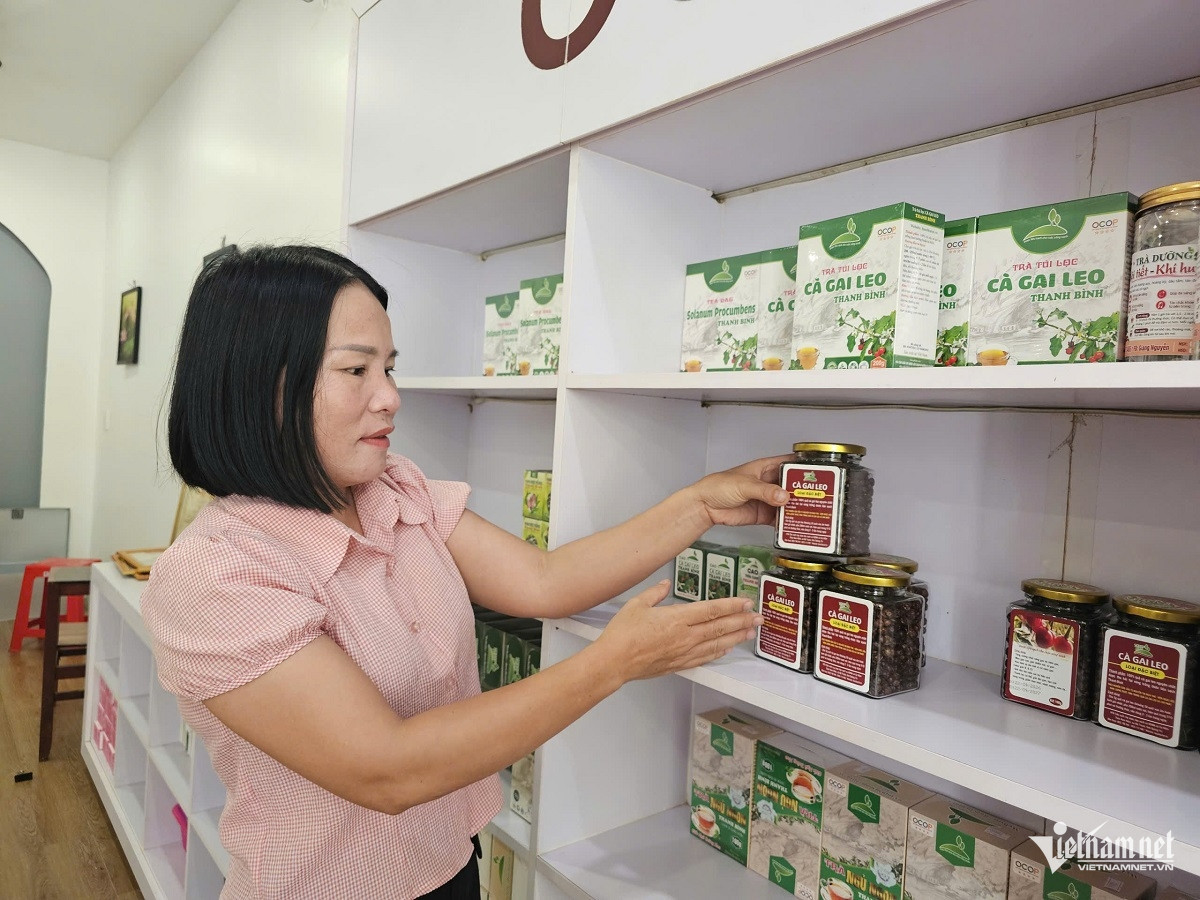
"We kept asking ourselves what kind of crop could withstand the harsh climate back home, survive scorching heat and storms, and still provide a reliable income," Giang recalled.
During their search for an alternative, her husband, Nguyen Thanh Binh, began experimenting with ca gai leo (Solanum procumbens), a medicinal plant commonly used in traditional Vietnamese herbal preparations.
Starting with a plot of approximately five sao, a traditional Vietnamese unit of agricultural land, the plant gradually proved well suited to the local soil and growing conditions.
After the first harvest, the couple boiled the herb to make a drink and discovered its distinctive flavor. When they introduced the product to customers, the response was encouraging, Giang said.
"After years of cultivation, we noticed that medicinal plants grown in harsher climates may produce only half the usual yield, but the concentration of medicinal compounds in the plants can be several times higher," she said, describing the couple's observations.
Recognizing the crop's commercial potential, the couple gradually expanded their cultivation area and explored ways to increase the value of their products rather than selling raw herbs alone.
In 2018, Giang established the cooperative and began investing in cultivation areas, production facilities and processing equipment.
Alongside growing medicinal plants, the cooperative developed herbal teas and concentrated extracts, diversifying its product range and increasing the value of its agricultural output.
Expanding cultivation and investing in value-added processing
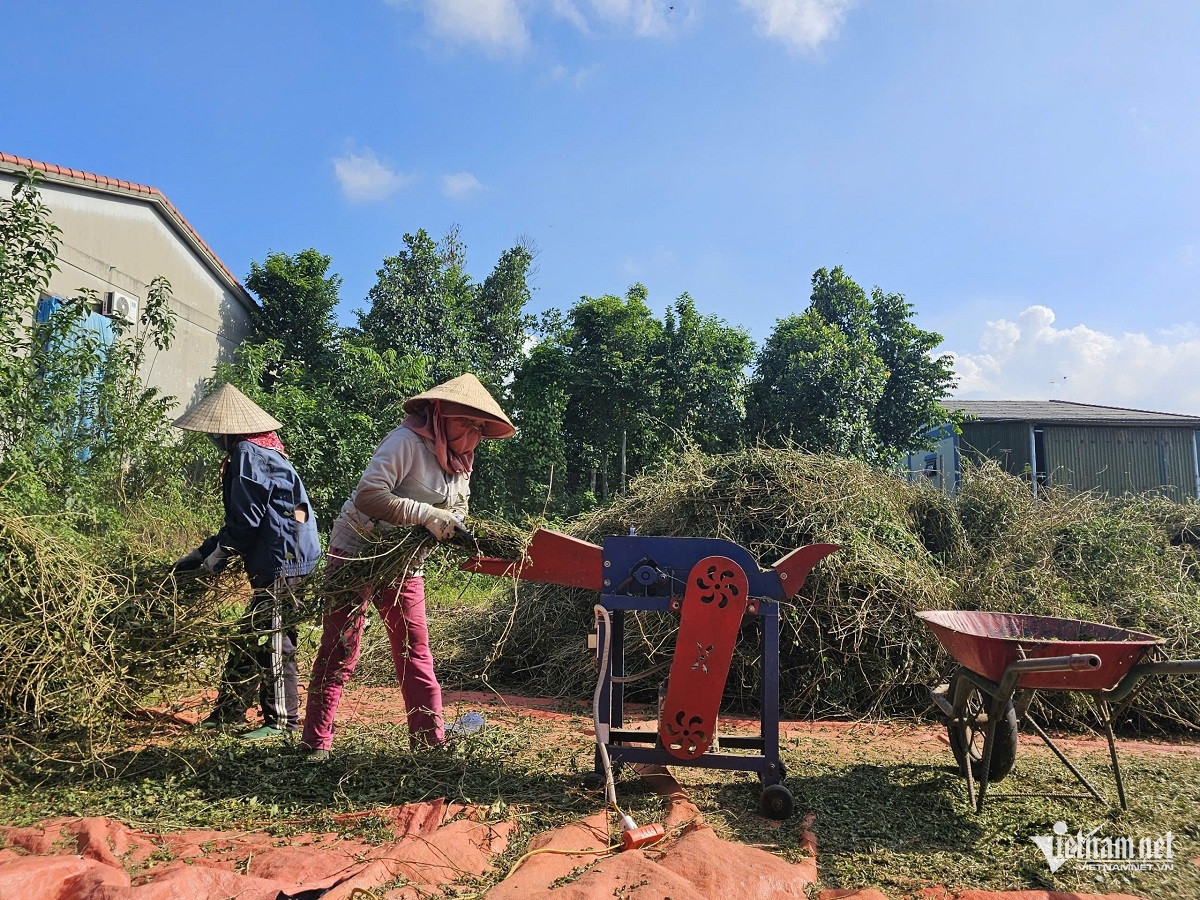
From its initial focus on ca gai leo, the cooperative has expanded into several other medicinal plants, including gymnema, xa den, perilla and che vang, a traditional Vietnamese herbal plant.
Its cultivation network now covers approximately 60 hectares. The cooperative directly manages 15 hectares, while the remaining 45 hectares are cultivated through partnerships with more than 70 local farming households.
According to the cooperative, its medicinal plants are grown using organic-oriented farming methods, including microbial fertilizers and biological preparations.
Each year, the cooperative harvests approximately 250 tonnes of fresh medicinal herbs and processes them into more than 36 tonnes of finished products, generating annual revenue of around VND10 billion ($380,000).
Cooperative representatives said medicinal herb cultivation, particularly ca gai leo, can generate seven to 10 times more income than certain traditional crops.
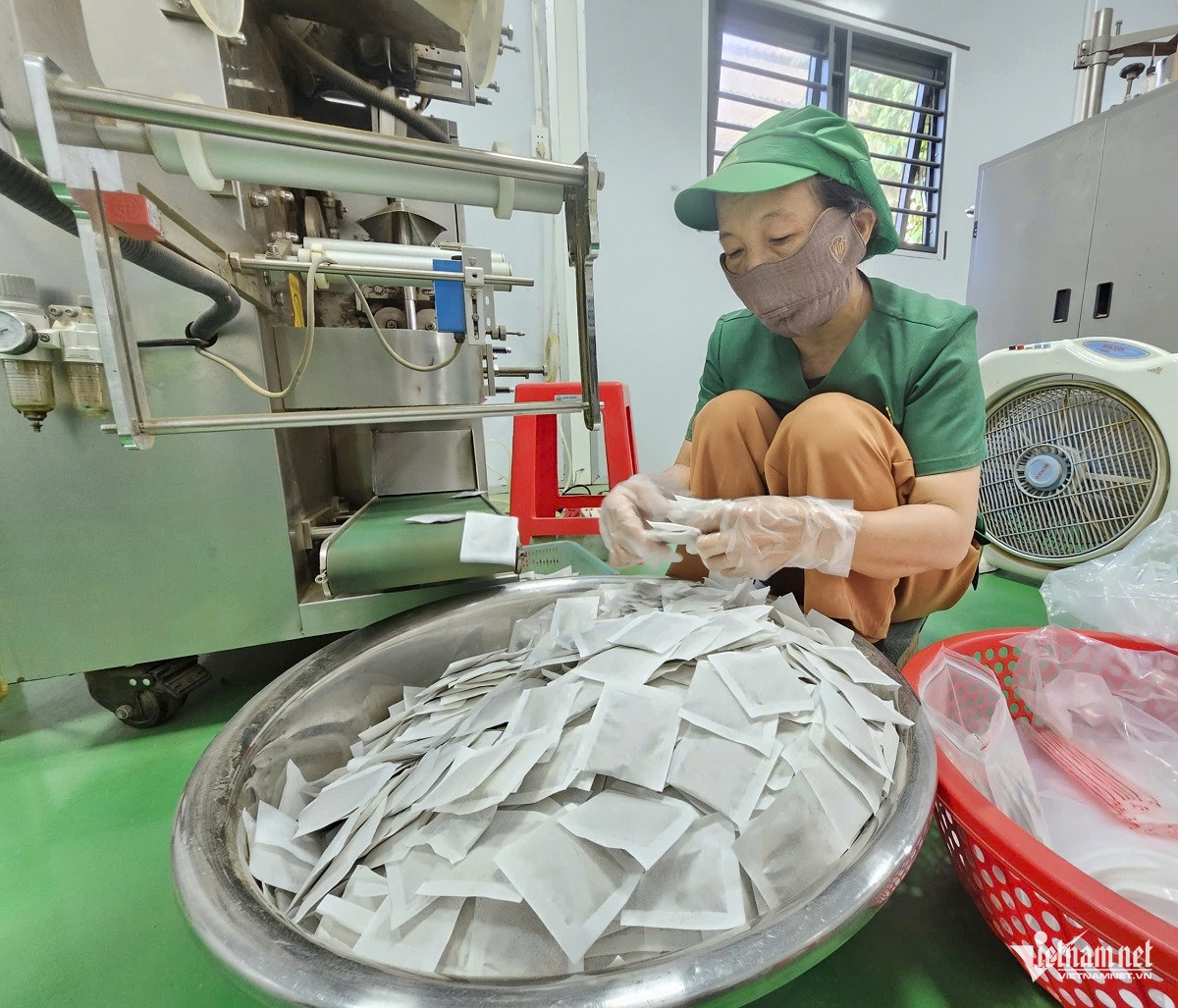
To increase product value, the cooperative has invested in solar-powered drying systems, extraction equipment and a circulating concentration system for producing herbal extracts.
Rather than relying solely on raw material sales, it now produces a range of herbal teas and concentrated extracts, giving the business greater control over processing, product development and market positioning.
Several of its products have received four-star ratings under Vietnam's One Commune One Product (OCOP) program, including ca gai leo extract, ca gai leo tea, sleep-support herbal tea and gymnema extract.
Its gymnema tea has also earned a three-star OCOP rating.
Products carry QR codes for traceability and are distributed through multiple sales channels, including e-commerce platforms.
Investment in processing technology and product diversification has helped the cooperative reach a wider consumer market and reduce its dependence on selling unprocessed agricultural materials.
Beyond its commercial operations, the cooperative provides regular employment for 10 workers and seasonal jobs for approximately 40 others.
Monthly wages range from VND7.5 million to VND10 million ($285-380) per worker, with women accounting for more than 95% of its workforce.
For participating farming households, the cooperative supplies seedlings, provides technical guidance, advances production capital and guarantees purchases of their harvests.
These arrangements help reduce initial financial pressures and give farmers greater confidence in maintaining production.
The model also creates additional livelihood opportunities for single women, poor households and families living just above the poverty line.
Phan Ngoc Lam, vice chairman of the Bo Trach Commune People's Committee, described the Cu Nam cooperative as one of the locality's outstanding agricultural economic development models.
According to Lam, the cooperative has not only created jobs and improved incomes, particularly for women, but has also helped transform local farming practices.
By linking medicinal herb cultivation with processing and OCOP product development, the cooperative has increased the value of agricultural products, expanded market access and contributed to more sustainable rural economic development.
Hai Sam

