 Vietnamnet.vn

 Podcast



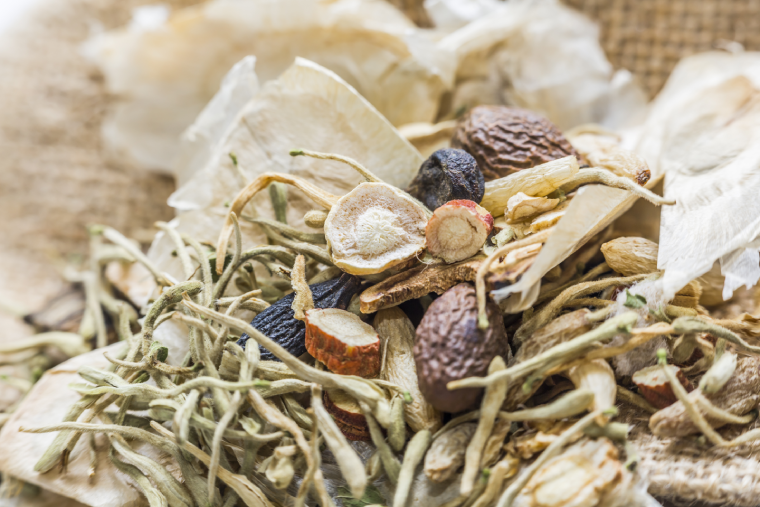
Man develops jaundice after a week of herbal treatment
A 45-year-old man from Song Lo in northern Vietnam's Phu Tho province developed severe liver complications after taking traditional herbal medicine recommended by a neighbour.
The patient, identified as B.M.D., had been diagnosed with diabetes and advised by doctors to follow an appropriate medication regimen and diet. Instead, he decided to try a herbal preparation suggested by someone living nearby.
After just one week, he began experiencing alarming symptoms, including pronounced yellowing of the skin and eyes, fatigue, loss of appetite and dark urine.
His family took him to Phu Tho Provincial General Hospital for examination.
Blood tests revealed that his total bilirubin level had reached 712.4 µmol/L, approximately 42 times the upper limit of normal. His liver enzyme levels were more than six times the normal limit, while his blood-clotting function had deteriorated.
Doctors diagnosed acute-on-chronic liver failure, with suspected herbal medicine-induced liver injury, in a patient who already had advanced Child-Pugh class C cirrhosis and type 2 diabetes.
The condition was particularly dangerous because his liver function had already been severely compromised. The additional acute injury increased his risk of serious complications.
After nine days of treatment and close monitoring of his liver function, blood coagulation and overall condition, the patient's health gradually improved.
He was able to eat better, his jaundice and fatigue subsided, and his urine had returned to a light yellow colour by the time he was discharged.
Another patient, N.M.K., 37, from Hanoi, required emergency treatment at Hanoi Medical University Hospital after developing acute kidney failure and liver failure following several days of self-medicating for gout with products advertised as traditional family-secret herbal remedies.
Whenever he experienced a painful gout attack, rather than seeking medical advice and taking prescribed medication, he relied on a herbal remedy recommended by a friend for rapid pain relief.
Herbal does not automatically mean safe
Dr Tran Van Son, a resident physician in the Department of Respiratory and Gastrointestinal Medicine at Phu Tho Provincial General Hospital, warned against self-medicating with traditional Vietnamese herbal remedies, traditional Eastern medicines or products of unknown origin.
He explained that medicinal herbs must be carefully controlled throughout the supply chain, from their origin, species and the specific plant parts used to processing, storage and quality testing.
Poor-quality herbal materials may be misidentified or contaminated with mould, microorganisms, heavy metals, pesticide residues or other impurities, potentially leading to dangerous complications affecting the liver and kidneys.
Associate Professor Dr Nguyen Thi Bay of the University Medical Center Ho Chi Minh City, Campus 3, also cautioned against assuming that products derived from plants or herbs are inherently safe.
Of particular concern are certain pills, powders and herbal preparations from unidentified sources that may contain undisclosed conventional pharmaceutical ingredients.
These hidden substances can expose users to serious adverse effects, including liver and kidney injury, gastrointestinal bleeding, fluid retention, high blood pressure and disturbances in blood glucose levels.
Patients with diabetes, gout, liver disease or kidney disease face additional risks.
Inappropriate medication can make their existing conditions more difficult to control or cause further damage to organs that are already functioning poorly.
Self-medication can also create a false sense of recovery when symptoms temporarily improve.
For example, the pain associated with a gout attack may subside for a period, but elevated blood uric acid levels can persist without appropriate monitoring and treatment.
Doctors therefore advise people with chronic illnesses to follow their prescribed treatment plans and inform their physicians about all medicines, herbal products and dietary supplements they are taking.
Patients should not stop prescribed medication on their own to replace it with herbal products or traditional family remedies whose ingredients are unknown.
They should seek medical attention promptly if they develop yellowing of the skin or eyes, dark urine, persistent fatigue, loss of appetite, nausea or discomfort in the upper right abdomen.
More serious symptoms, such as confusion, repeated vomiting, reduced urine output or rapidly deteriorating health, require emergency medical care.
Phuong Thuy
.svg)
