 Vietnamnet.vn

 Podcast



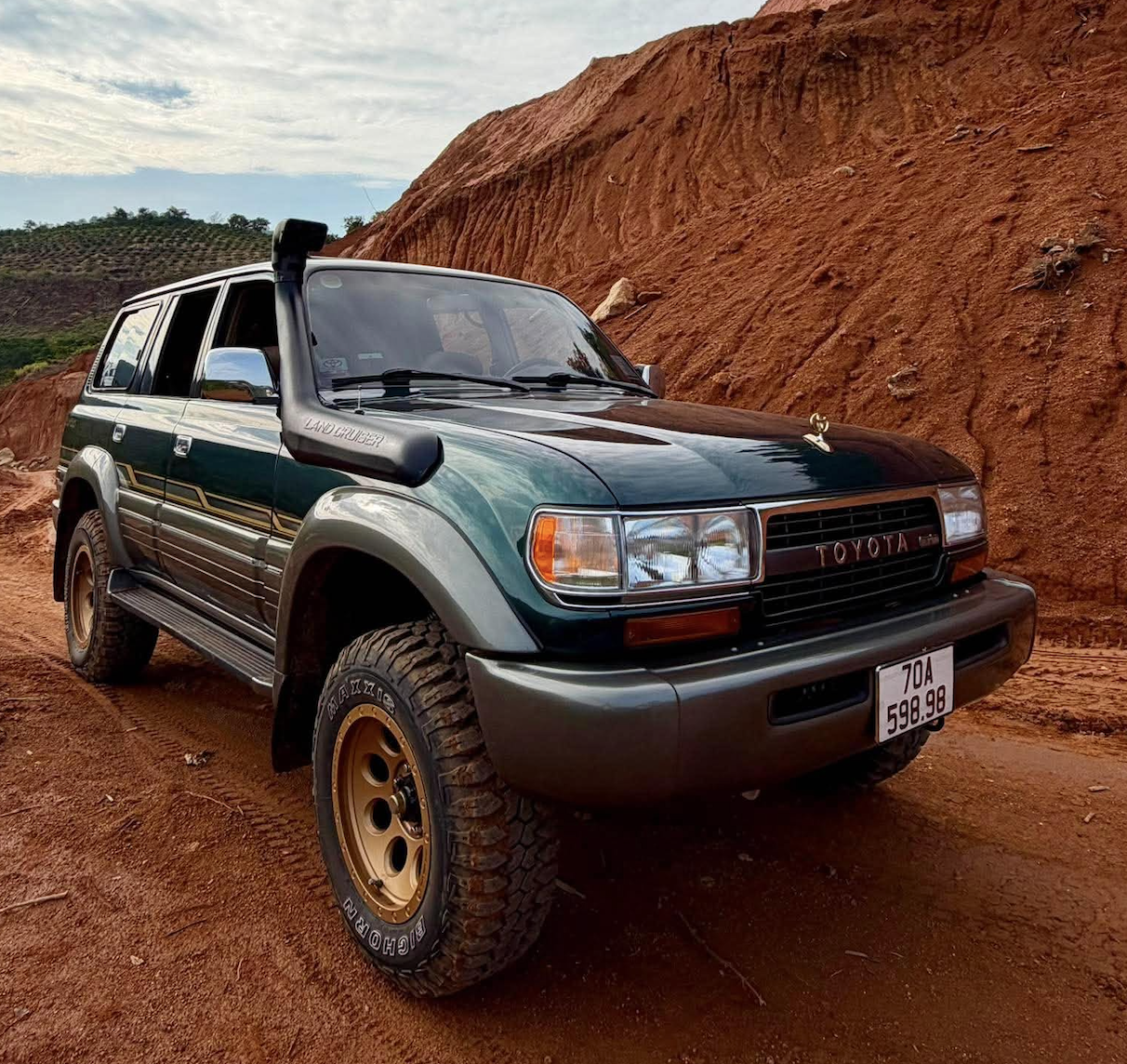
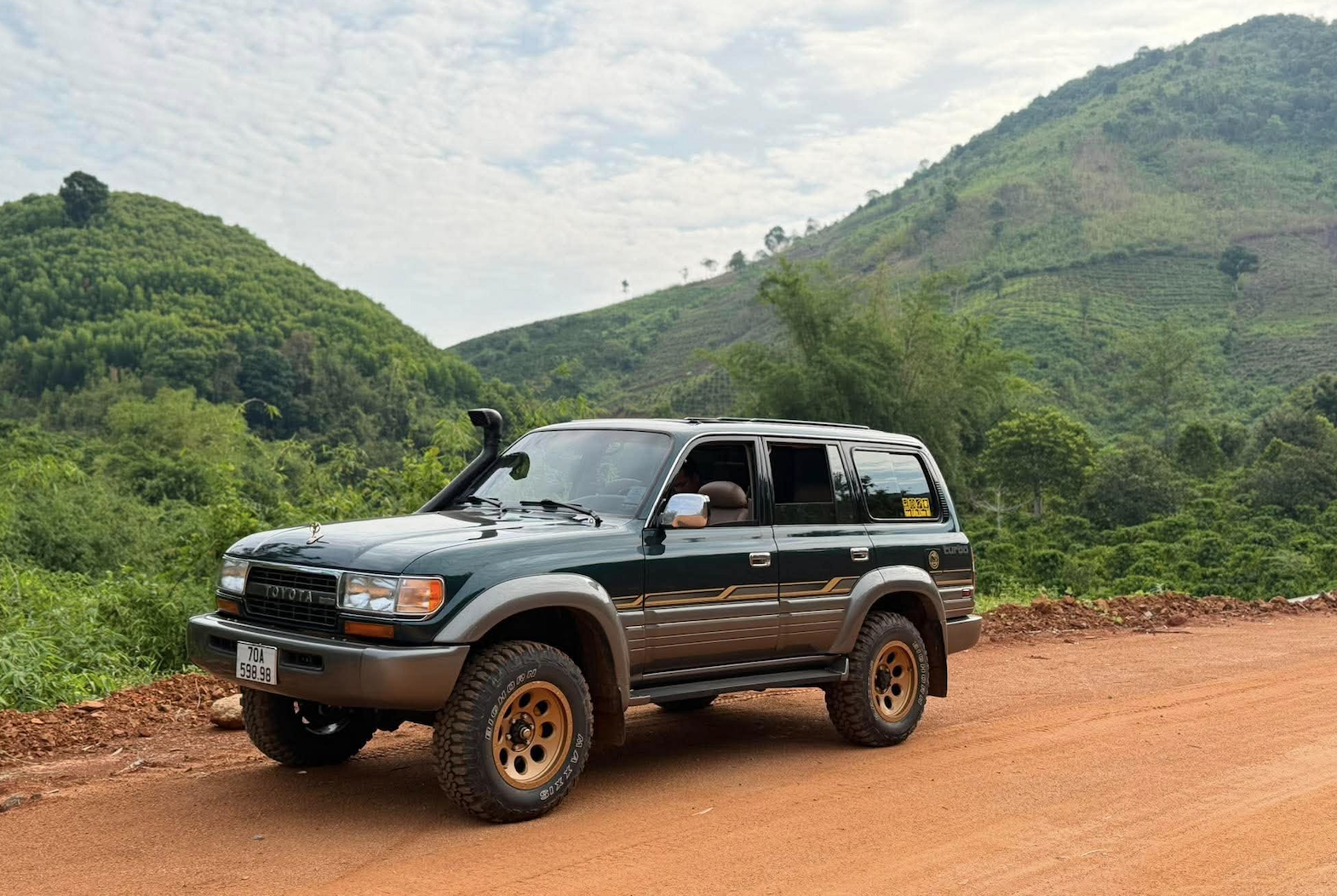
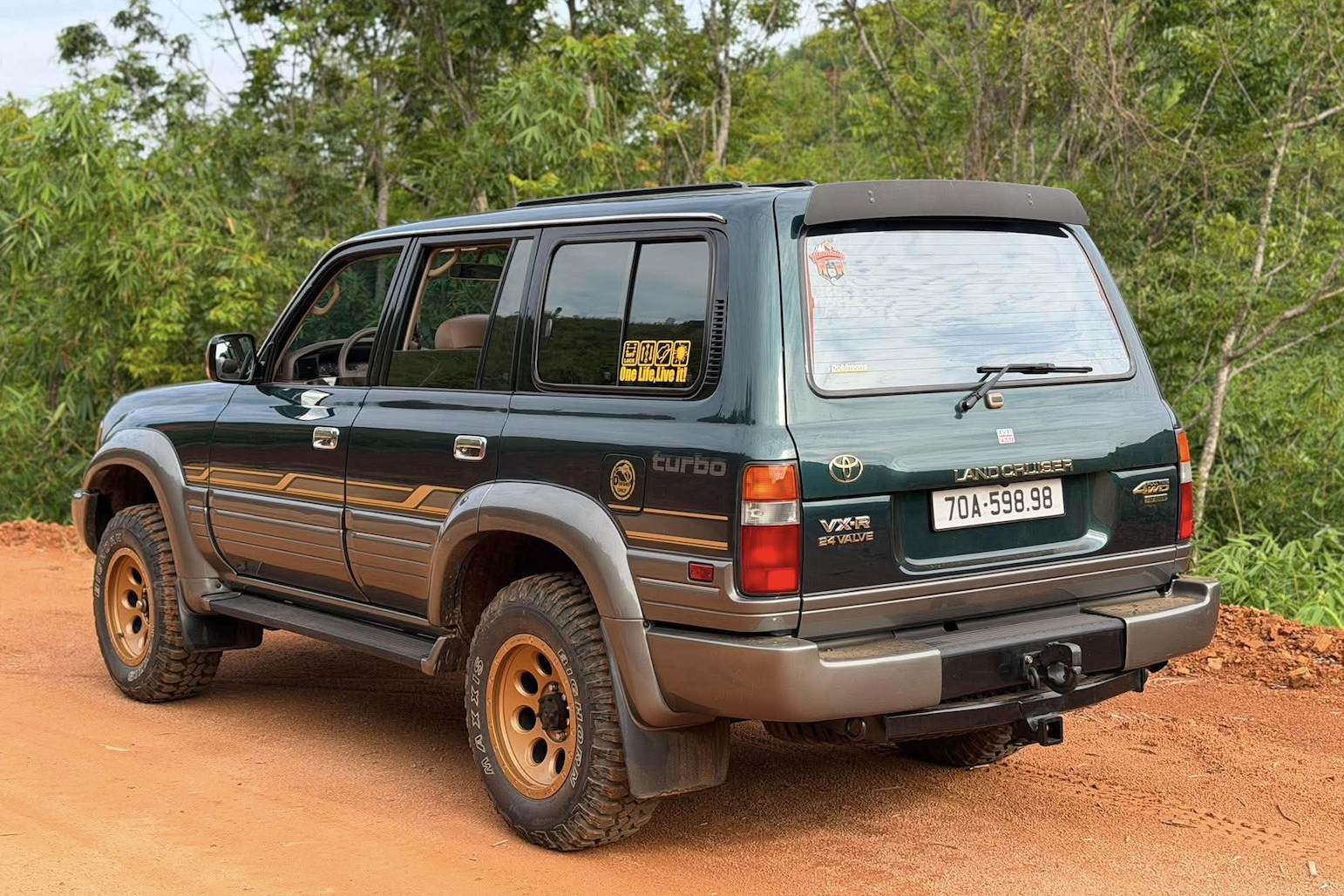
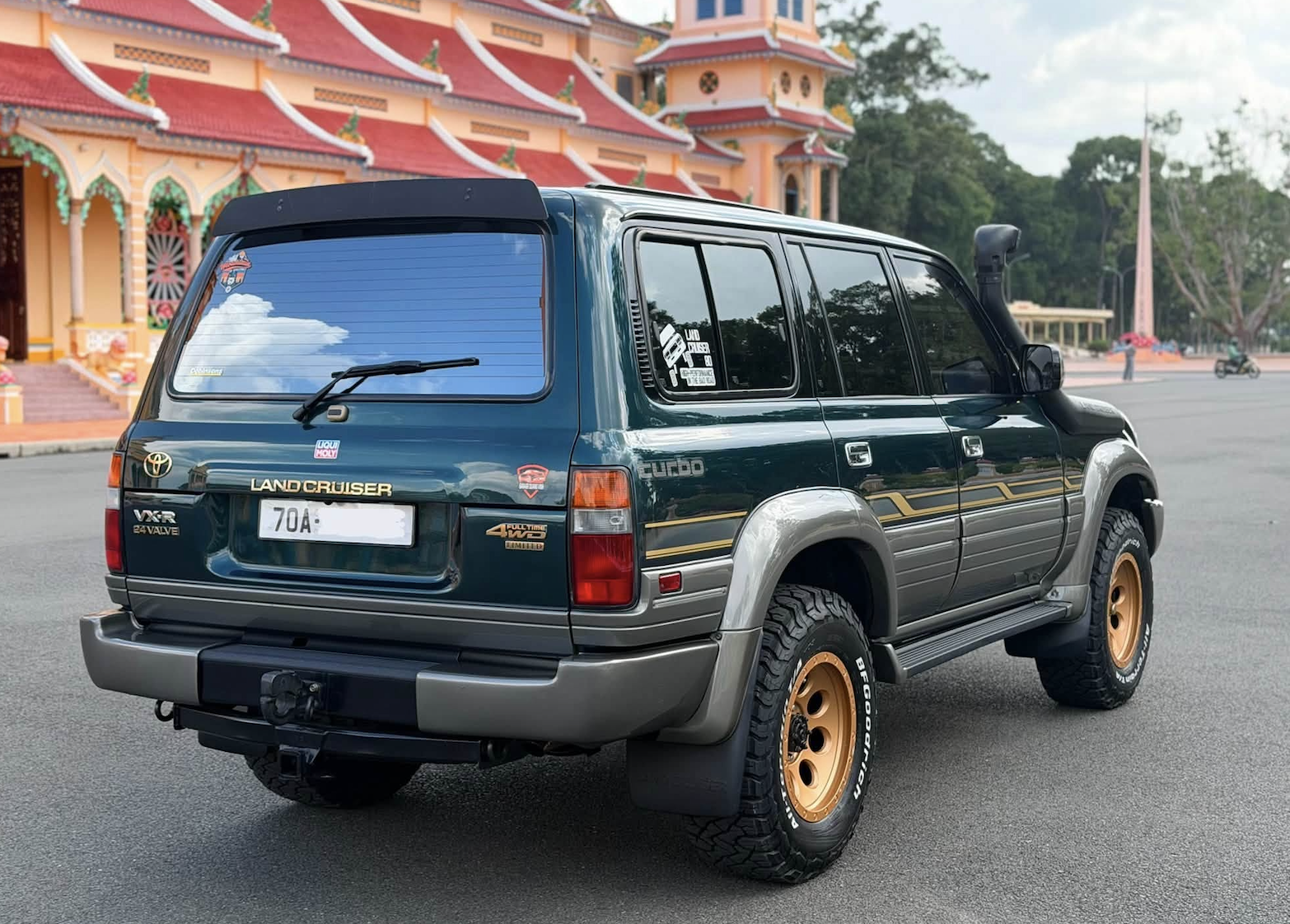
A Vietnamese car enthusiast spent six months restoring a 1995 Toyota Land Cruiser LC80 to near-original condition, sourcing more than 200 new parts from around the world while refurbishing thousands of original components in a project driven entirely by passion.
Six months to return a classic SUV to near-factory condition
The Toyota Land Cruiser LC80 is widely regarded as one of the most durable off-road SUVs ever built and remains highly sought after by classic vehicle collectors in Vietnam. Finding one that has retained its original condition after three decades, however, has become increasingly difficult.
That challenge inspired Nguyen Bao, known as Bao Nguyen, a 30-year-old enthusiast from Tay Ninh Province, to undertake an ambitious restoration of his 1995 diesel-powered Land Cruiser LC80.
Although not a professional restorer, Bao said he committed to the project after discovering extensive deterioration beneath the vehicle's attractive exterior.
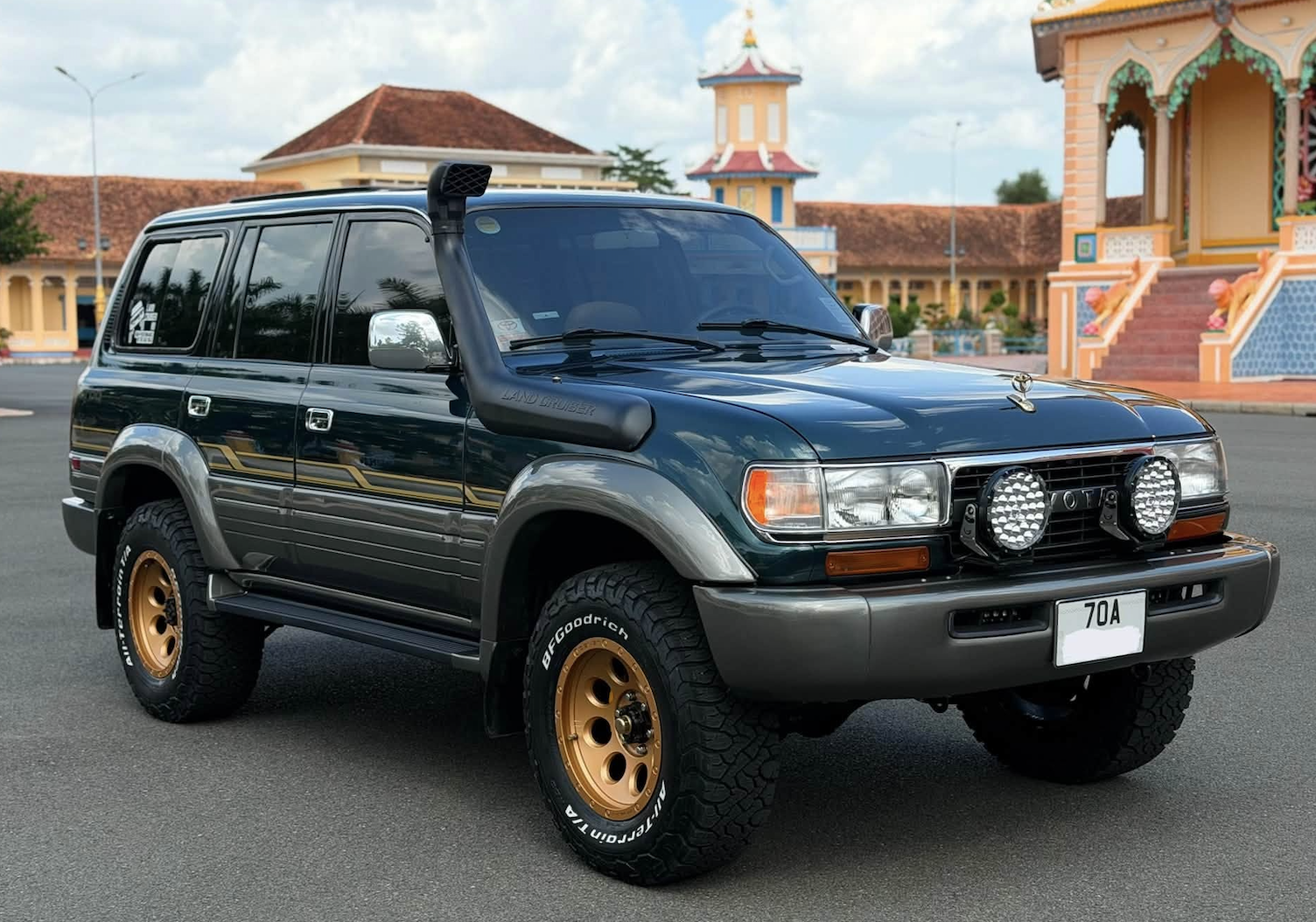
Initially, Bao planned only to inspect and fine-tune the vehicle. Once disassembly began, however, hidden problems quickly emerged, including worn components, improvised electrical wiring and numerous parts that no longer met factory standards.
The project soon evolved into a complete restoration.
The SUV was stripped down entirely, including the interior, body panels, engine, transmission, drivetrain and chassis. The body was separated from the frame to allow rust prevention treatment, repainting and structural restoration before reassembly.
This marked Bao's first restoration of a diesel-powered LC80, a relatively rare version in Vietnam. The teardown was so comprehensive that, he said, "there wasn't a single part that wasn't removed." Once laid out, the dismantled components occupied several times the footprint of the vehicle itself.
Working with a team of five to six mechanics, Bao spent six months rebuilding the SUV piece by piece.
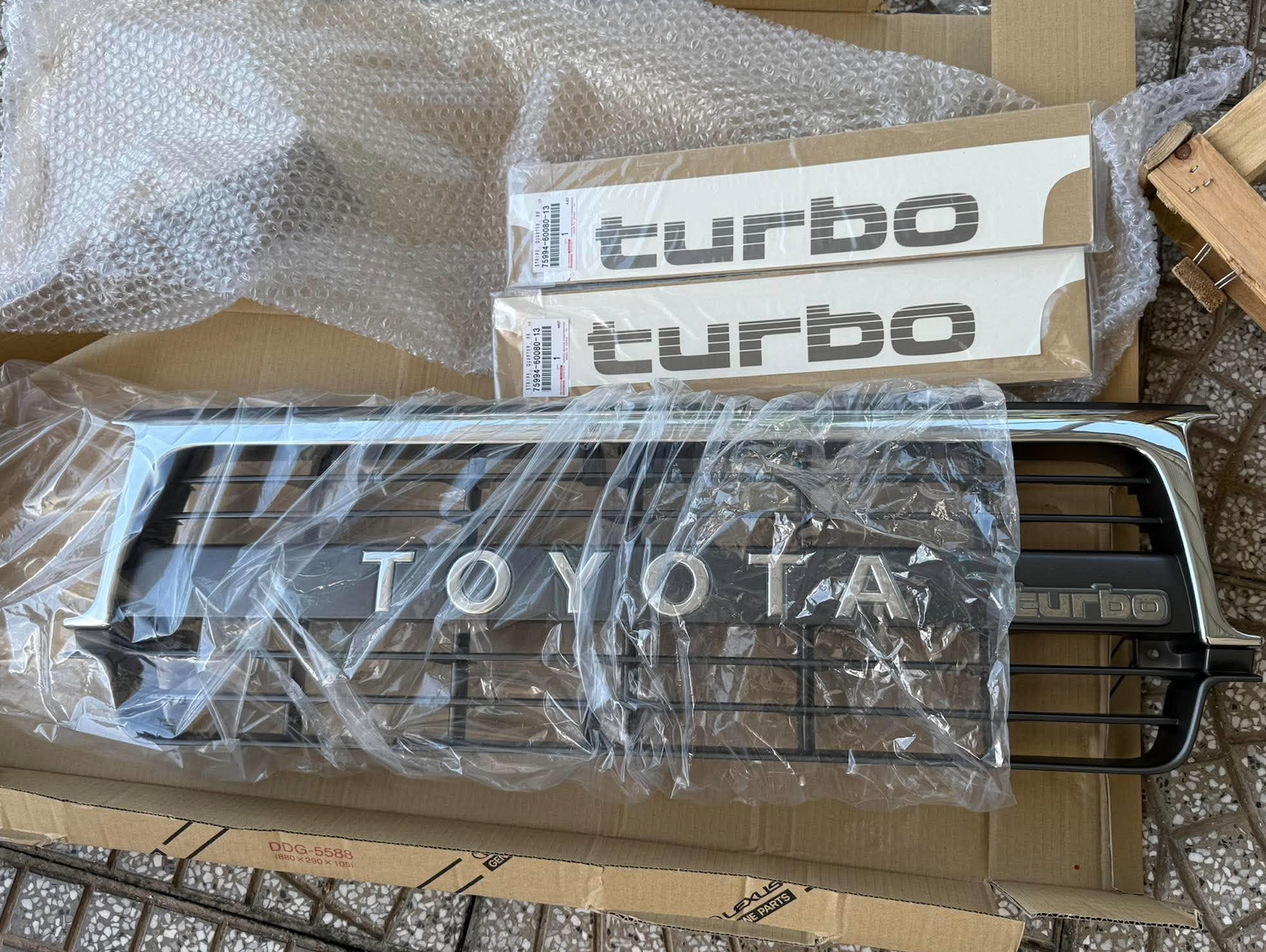
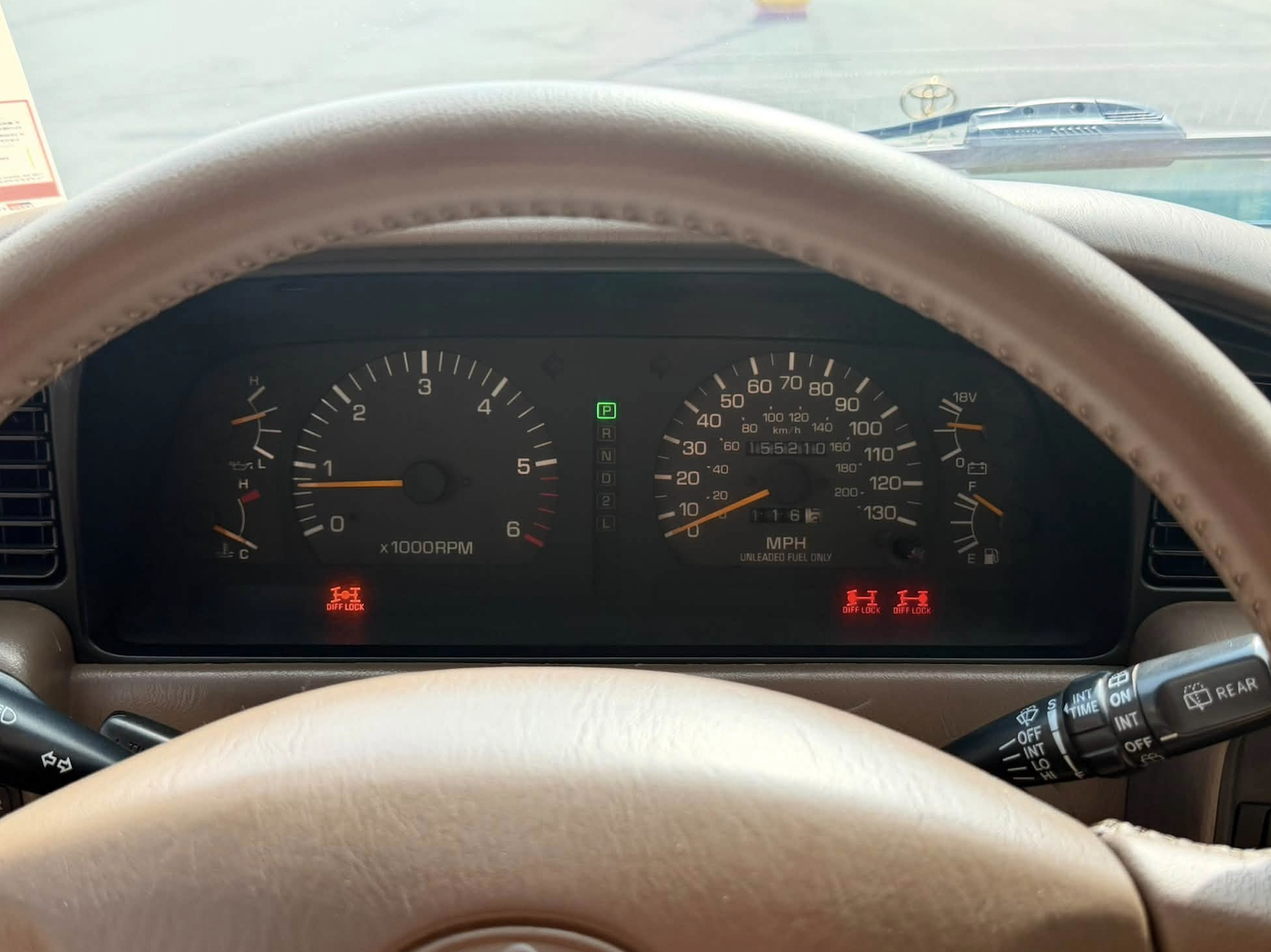
The exterior received fresh paint, new genuine weather seals, factory badges and decals. Inside, plastic trim was replaced, the seats were reupholstered, the steering wheel renewed, the flooring restored and a modern audio system discreetly integrated.
Many original parts that remained serviceable were carefully restored rather than replaced, helping preserve authenticity while controlling costs.
Engine rebuild and worldwide search for rare components
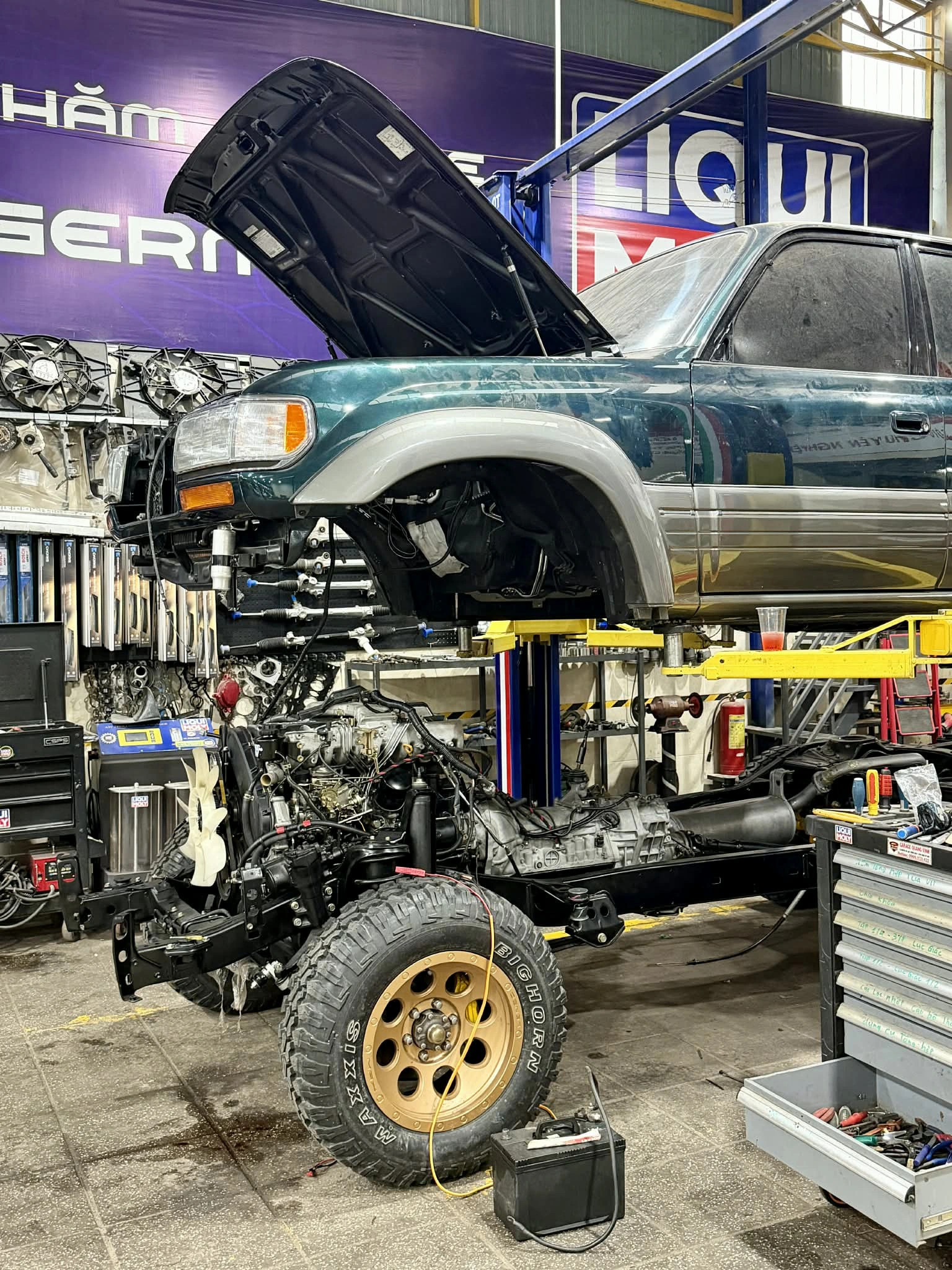
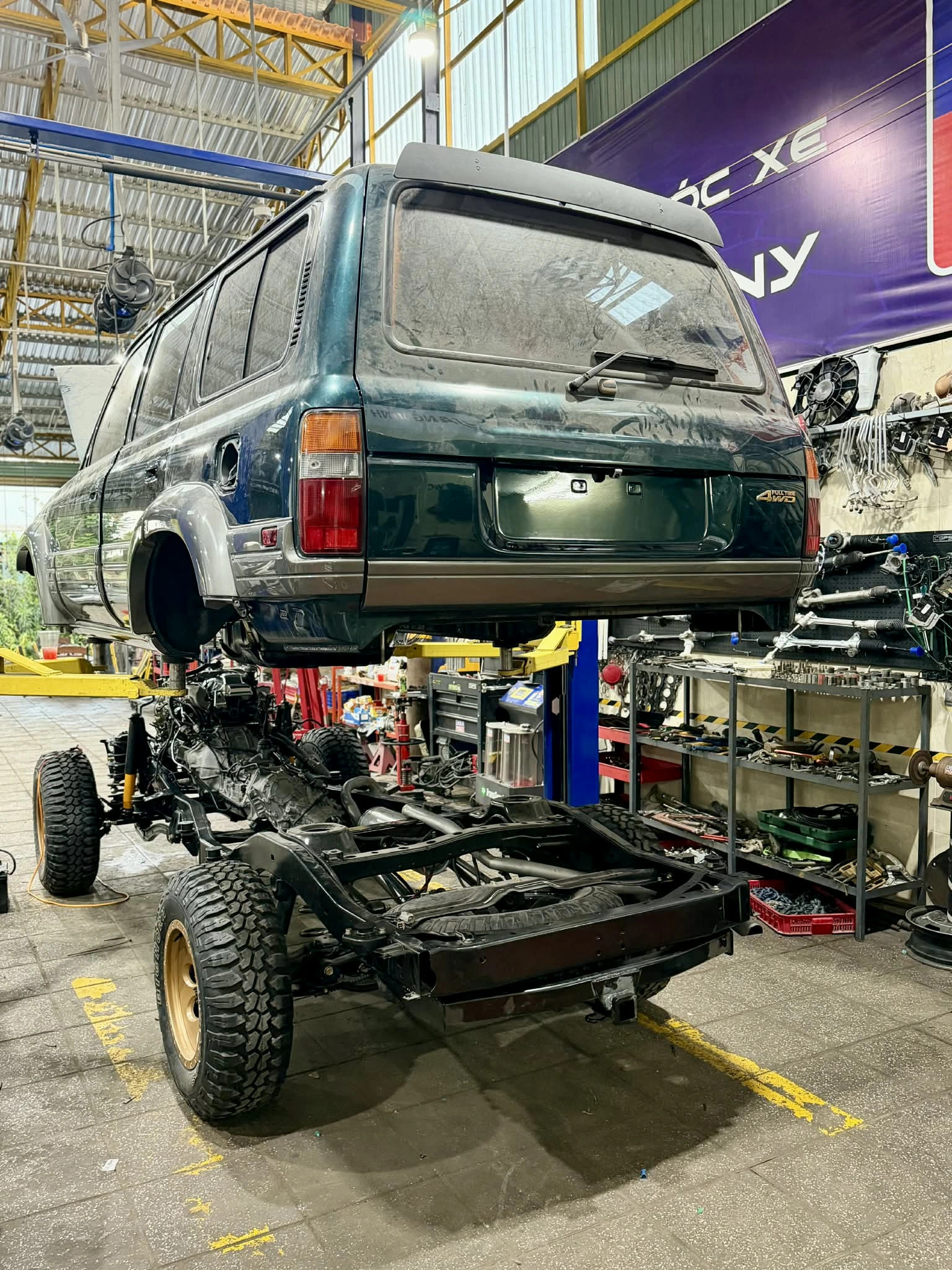
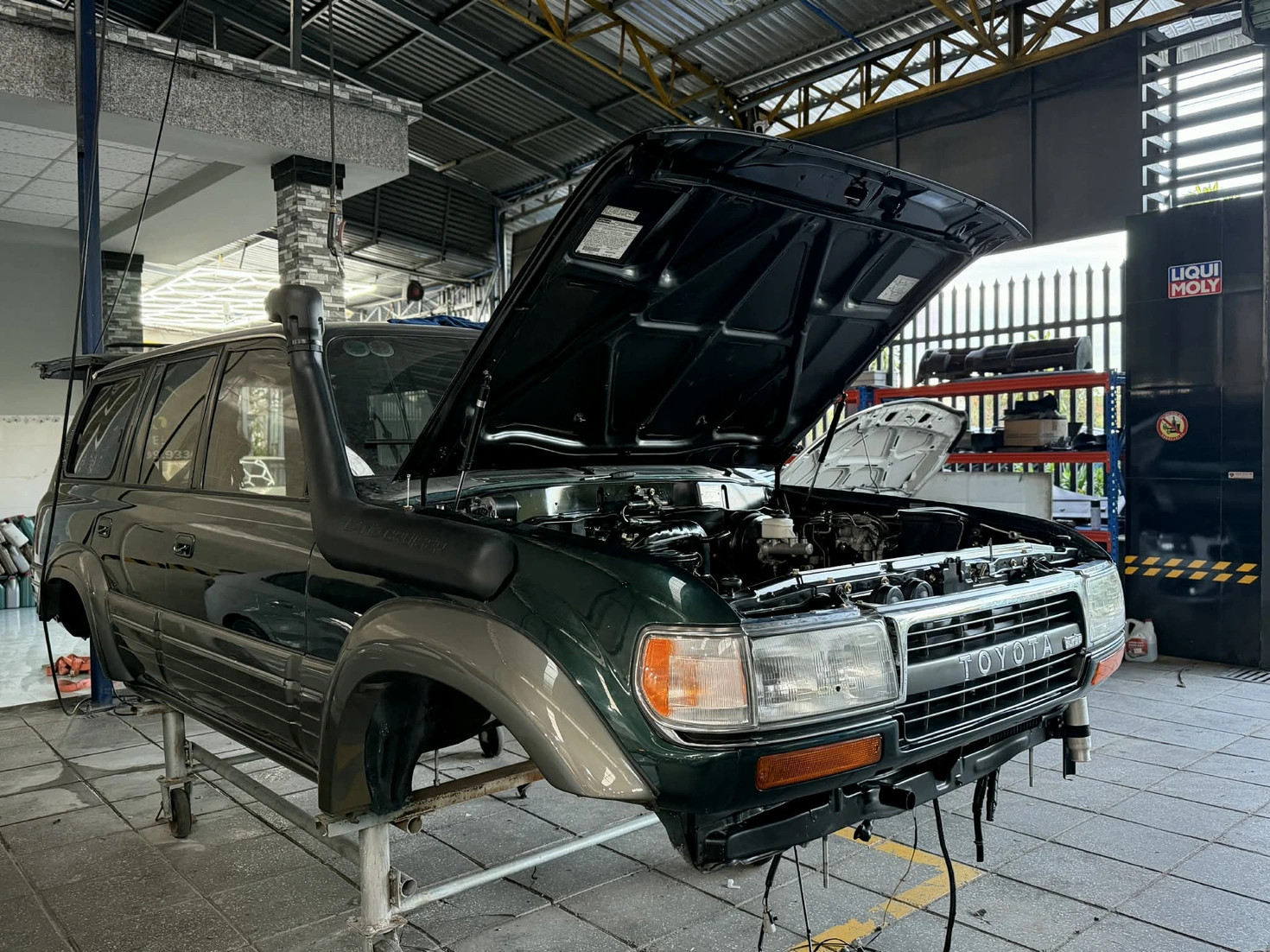
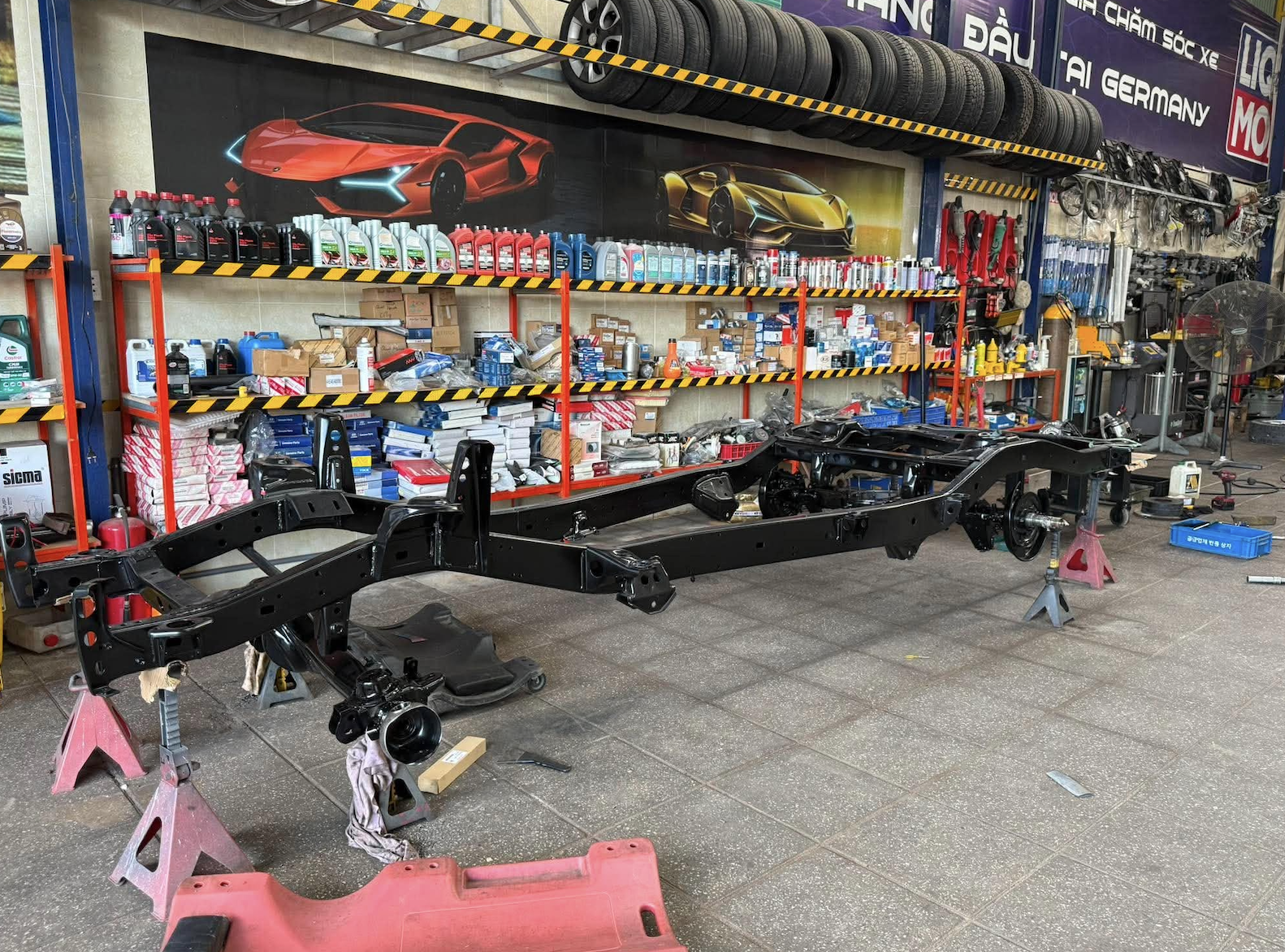
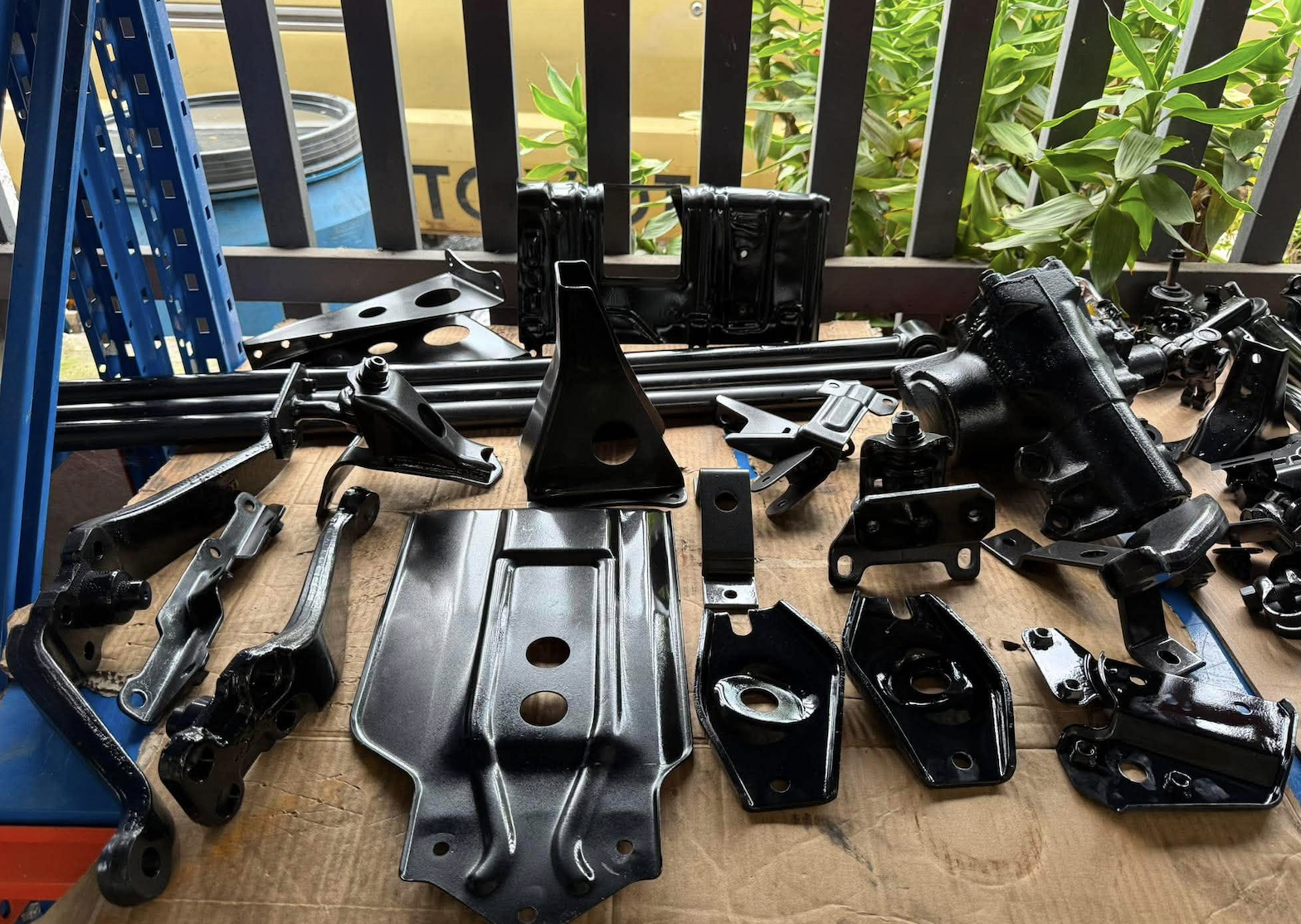
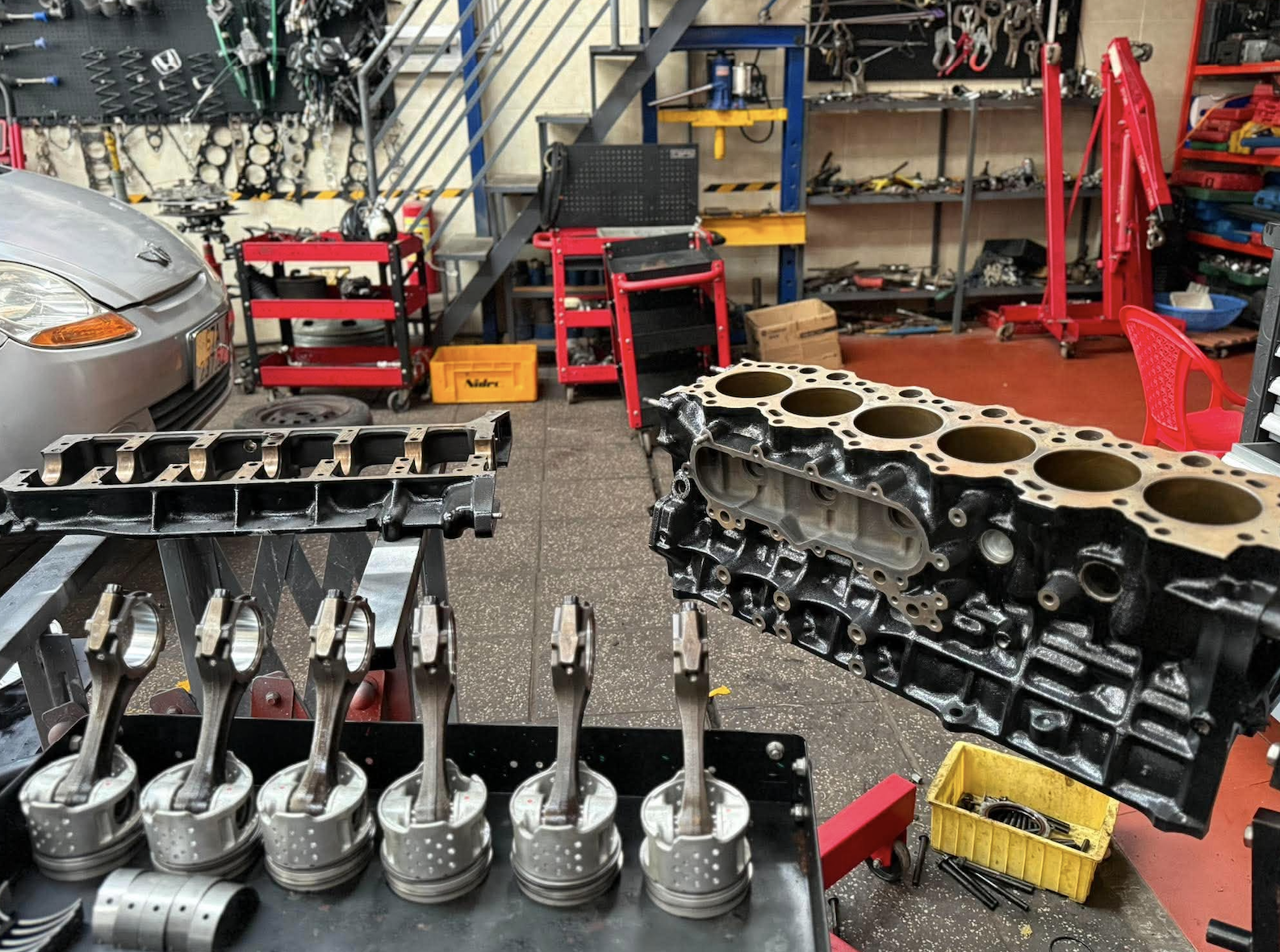
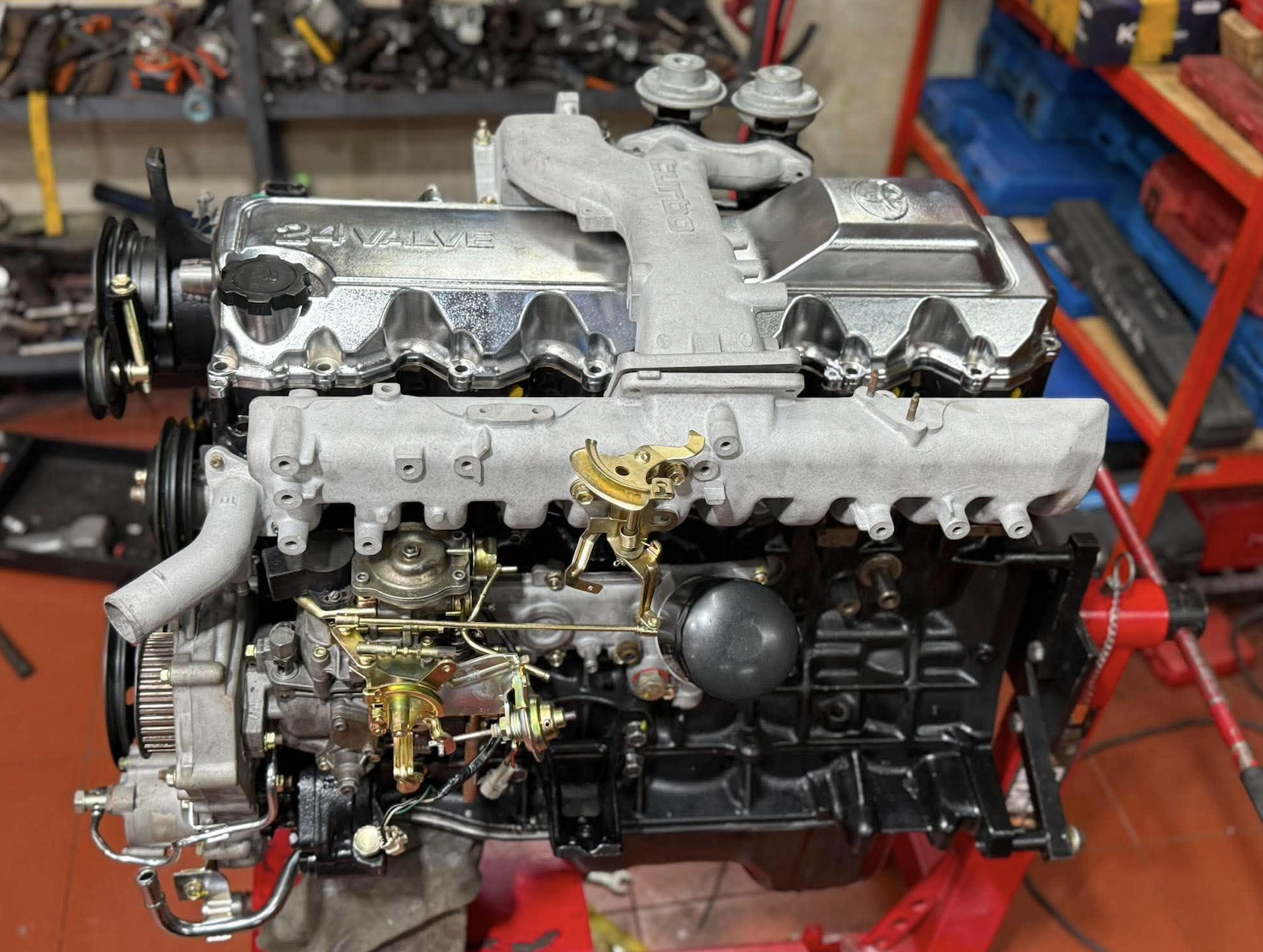
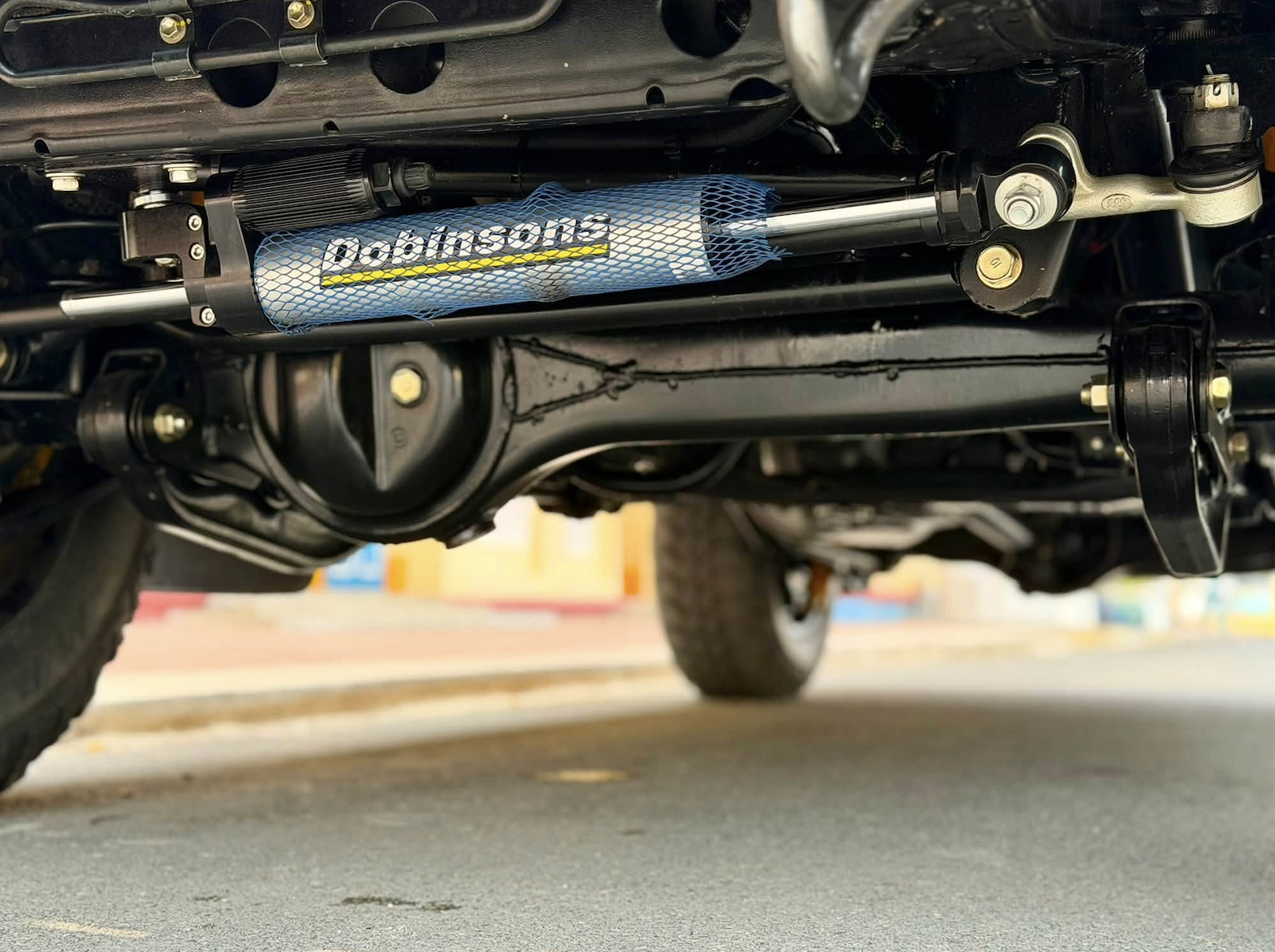
The engine proved to be the most time-consuming part of the restoration.
Bao retained components that remained within factory specifications, including the cylinder liners and piston rings, while replacing numerous critical mechanical parts. Several additional months were spent fine-tuning the diesel engine to restore smooth, reliable performance.
The transmission, differentials, solid-axle four-wheel-drive system and all oil, coolant and air lines were also removed, inspected and either refurbished or replaced.
Finding replacement parts became one of the project's biggest challenges.
More than 200 brand-new components were installed, while thousands of smaller parts were cleaned, refinished, replated or restored.
According to Bao, replacing every component with new genuine parts would have been prohibitively expensive, making restoration of reusable parts the most practical solution.
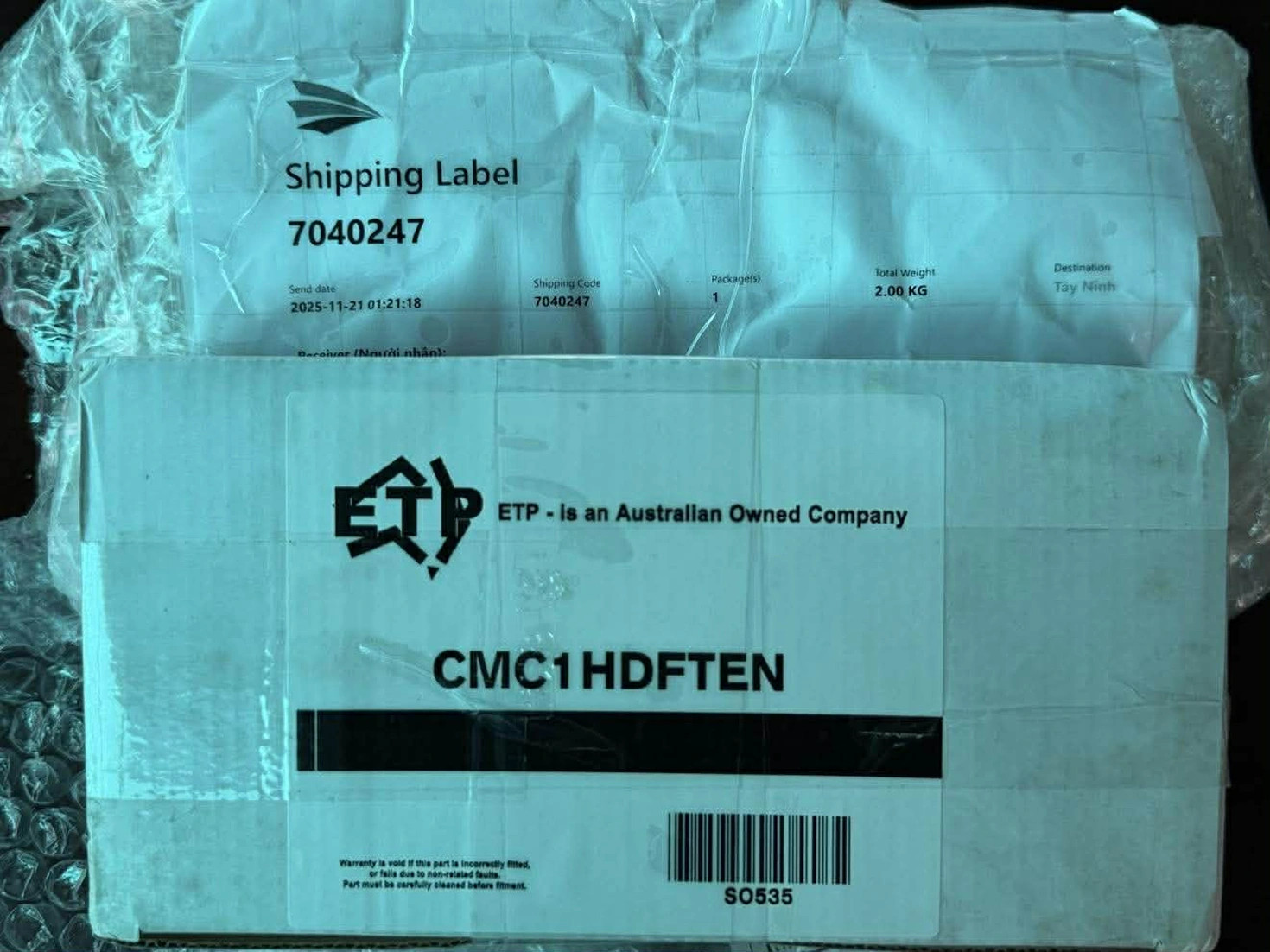
Most factory-original components were sourced from Japan. Australia supplied a wide selection of replacement and aftermarket parts, while China proved valuable for salvaged components and smaller items that were otherwise available only as complete assemblies.
On several occasions, work stopped entirely while waiting for individual parts to arrive.
One complete set of genuine weather seals alone took nearly three weeks to assemble. Some rare components were available only as full assemblies costing thousands of US dollars, forcing Bao to continue searching for used or custom-manufactured alternatives.
He said the price difference between genuine and aftermarket parts was often dramatic.
A door handle, for example, might cost only a few hundred thousand Vietnamese dong as a replica, while an original Toyota part could cost several million dong. In some cases, international shipping exceeded the value of the part itself.
To ensure accurate reassembly, Bao photographed every stage of the disassembly process, capturing more than 1,000 images documenting the location of each component, bolt and wiring connection.
The vehicle's fasteners alone weighed more than 100 kilograms. Every bolt was sorted, cleaned, replated and returned to its original position.
Passion before profit
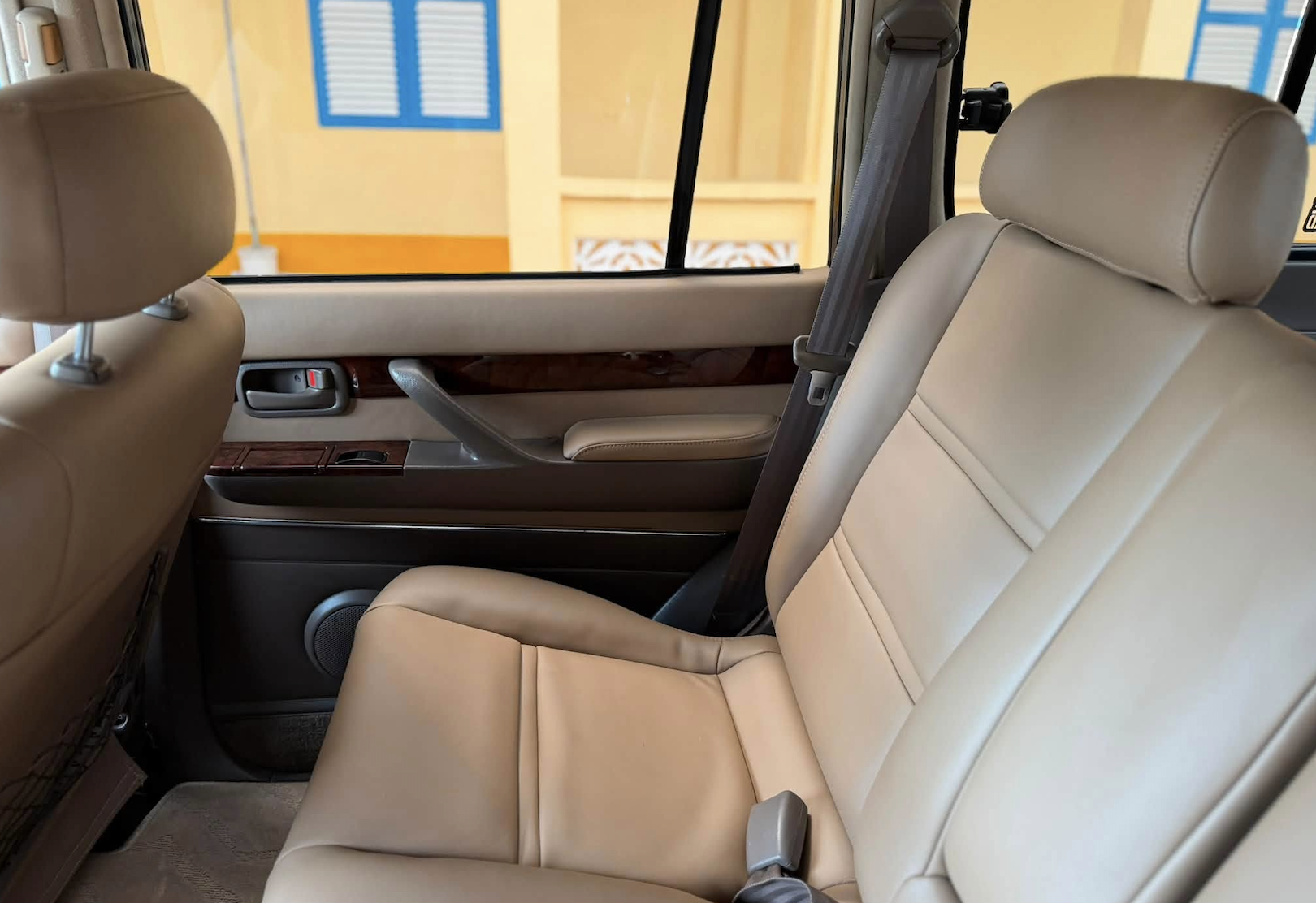
Photos: Bao Nguyen
After completing the restoration, Bao immediately put the Land Cruiser through a demanding real-world test, driving approximately 800 kilometers in a single day before returning it to regular use.
He estimates the vehicle has now been restored to around 80-90% of its original factory condition.
Although he declined to reveal the exact cost, Bao said the restoration ultimately exceeded the amount he originally paid for the vehicle.
He emphasized that the project was never intended as a commercial investment.
"If I looked at it purely from a financial perspective, I would never recover the money or time by selling the vehicle," he said.
Instead, the restoration was driven by a deep appreciation for one of Toyota's most iconic off-road vehicles.
Y Nhuy
.svg)
