 Vietnamnet.vn

 Podcast



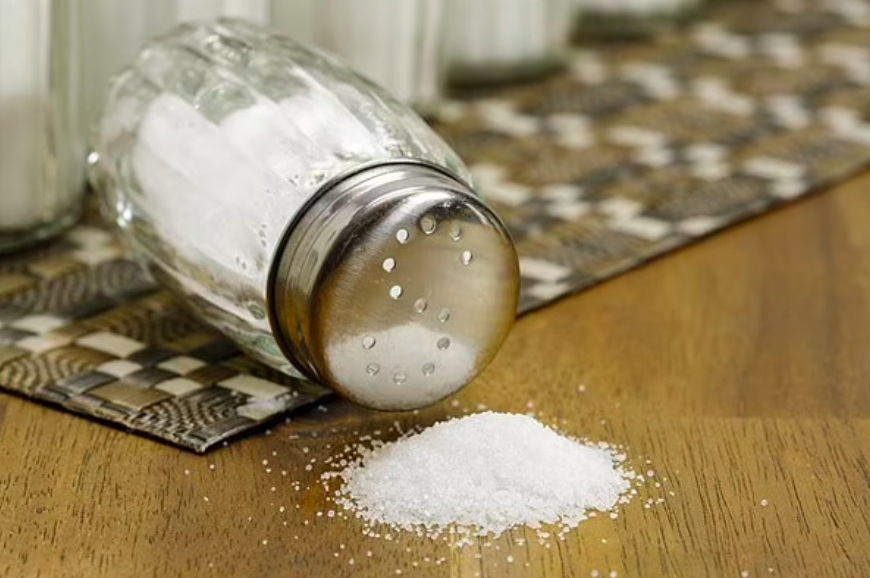
Dr. Tran Thi Anh Tuong, head of the Nutrition Department at the HCMC Oncology Hospital, noted that salt benefits health by keeping the nervous and muscular systems functioning, and without salt, the body cannot undergo metabolic processes. However, excess sodium can significantly raise blood pressure, leading to severe health complications.
Conversely, eating too blandly with too little salt may leave the body fatigued, causing loss of appetite, which can lead to degraded organ functions and declining overall health.
The World Health Organization (WHO) recommends that an adult should consume under 5g of salt per day, equivalent to roughly one teaspoon.
However, the 2021 National Non-Communicable Disease Risk Factor Survey (STEPS) by the Ministry of Health indicated that the average salt consumption of Vietnamese remains high, at around 8.1g per day, despite a drop from 9.4g in 2015. Additionally, 8.7 percent of the population regularly consumes high-salt processed foods.
Notably, HCMC residents eat the saltiest food in Vietnam. Reports from the HCMC Centers for Disease Control (HCMC CDC) show that the city's residents consume an average of 8.5g of salt per day, compared to the 2021 national average of 8.1g.
Excessive salt consumption causes hypertension, cardiovascular diseases, strokes, and sudden death. Salty diets are also a primary catalyst for cancer, most notably gastric and esophageal cancers. A person with a high-salt diet faces a cancer risk 5 times higher than those with a low-salt diet. Furthermore, eating salty foods can contribute to kidney, bladder, and colorectal cancers.
Salt does not come solely from regular table salt but also from familiar seasonings like seasoning powders, broth cubes, fish sauce, soy sauce, and MSG.
Vietnamese people also practice the habit of marinating and curing food before cooking, seasoning during food preparation, and using dipping sauces (fish sauce, seasoned salt, fermented anchovy sauce) during meals. Even when eating fruit, many still dip it in salt.
Surveys show that 70 percent of daily salt intake comes from seasonings used in pre-processing, cooking, and direct dipping sauces during meals.
Concurrently, the trend of using ultra-processed foods and pre-packaged meals is becoming increasingly popular, especially among youth and busy individuals. These products often contain high salt levels to enhance flavor and prolong shelf life.
The Ministry of Health states that roughly 20 percent of salt intake comes from processed foods like sausages, canned goods, snacks, instant noodles, frozen meals, and fast food.
Risk of hypertension
Dr. Ngo Thị Ha Phuong from the National Institute of Nutrition explained that excess sodium (the main component of salt) can increase vascular permeability and wall tension, causing cellular water retention, increasing peripheral resistance, and leading to hypertension.
Htpertension often progresses silently but can trigger multiple dangerous complications like cerebrovascular accidents, strokes, and myocardial infarctions. Salt forces the kidneys to overwork, gradually causing renal function decline, kidney stones, and increasing the risk of osteoporosis.
Children exposed to salty foods from an early age will have their taste buds conditioned, easily forming an unhealthy "salty-mouthed" eating habit.
Dr. Truong Hong Son, director of the Institute of Applied Medicine, said scientific evidence shows that reducing salt intake to below 5g per day can lower blood pressure in adults by up to 20 percent. This is especially meaningful when more than 25 percent of Vietnamese aged 18-69 have high blood pressure.
According to experts, consumers should form the habit of reading nutrition labels before buying food. This is seen as the “key” to controlling salt, sugar, and saturated fat intake. Packaging usually shows sodium or salt content; prioritize products with low salt content, limit processed foods, and reduce salty seasonings in cooking.
In addition, people should increase the amount of green vegetables, fresh fruit, and natural foods to build a healthier diet.
Reducing salt does not mean eating completely bland meals, but eating just enough to protect long-term health. On World Hypertension Day (May 17) this year, experts continued to advise people to cut salt by “adding less salt – dipping lightly – cutting down on salty foods” to protect heart health and improve quality of life.
Vo Thu
.svg)
