 Vietnamnet.vn

 Podcast


Amid the changes of modern life, the gentle sounds of the Tinh lute and traditional Then singing continue to resonate through Tay ethnic communities in Thai Nguyen Province, carrying cultural memories passed down through generations.
Then melodies carry memories of village life
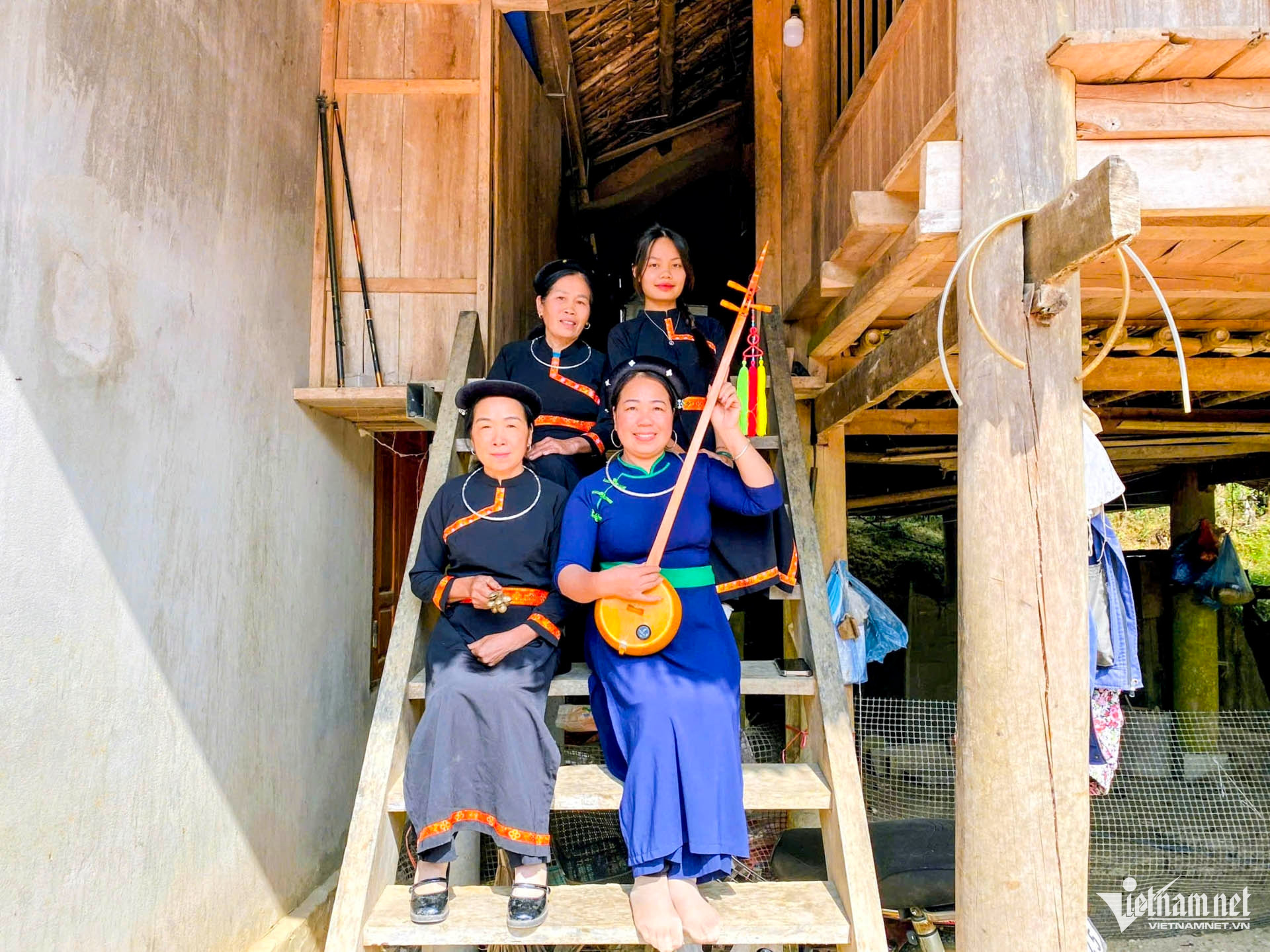
Inside the traditional stilt houses of Duc Luong Commune in Thai Nguyen Province, the sound of the Tinh lute and the melodies of Then singing remain a familiar part of community life, connecting residents with their cultural roots and cherished memories of their villages.
Dao Thi Thoa, born in 1977, has devoted more than 30 years to the art of Then singing. Her affection for the traditional melodies began in childhood, during winter evenings spent beside the family hearth listening to her parents sing.
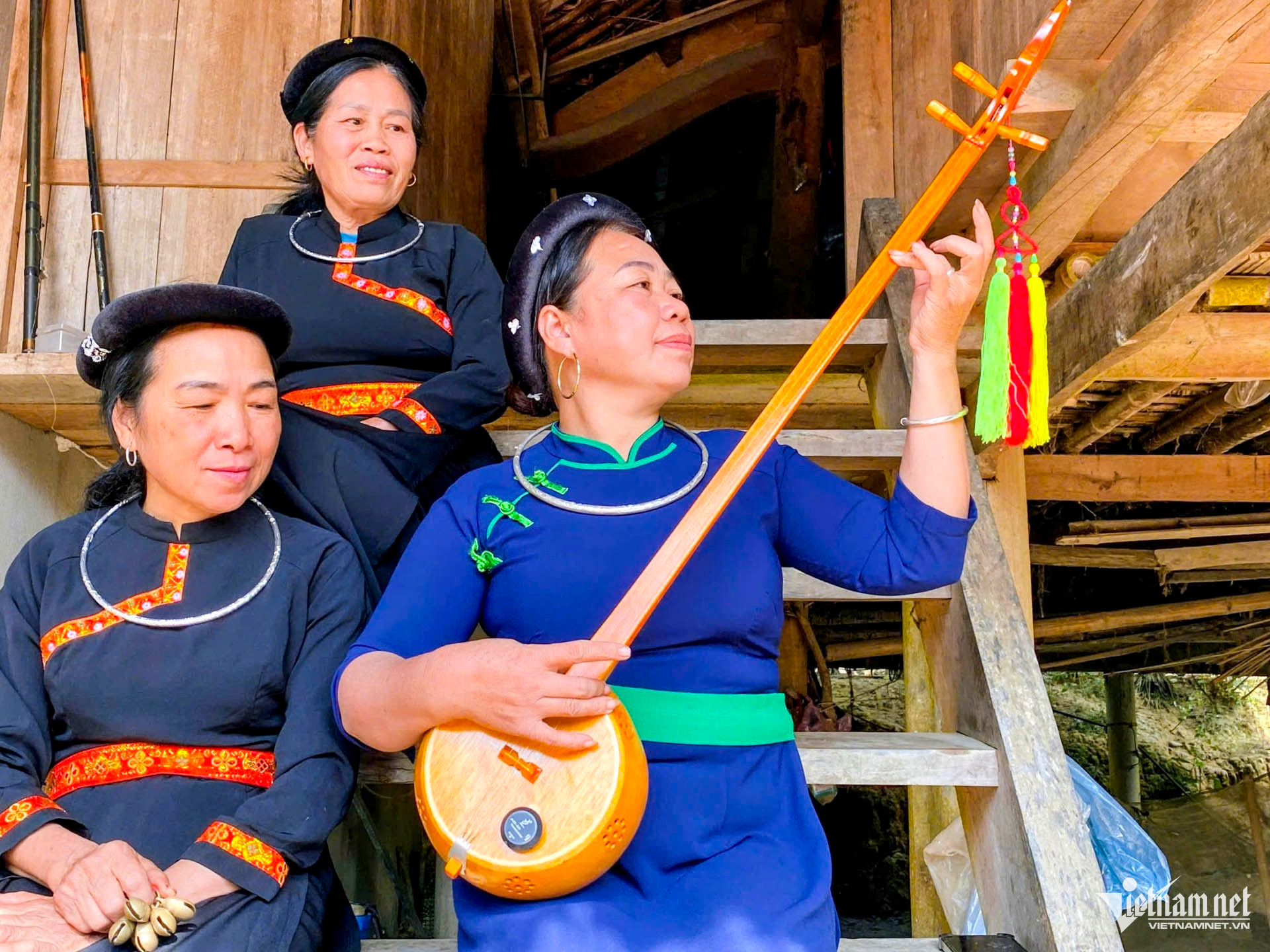
"When I was little, I would sit beside the flickering fire on winter nights and listen to my parents singing Then," Thoa recalled. "Day after day, the melodies became familiar. Gradually, I learned every word by heart. Before I even realized it, those songs had found their way deep into my soul."
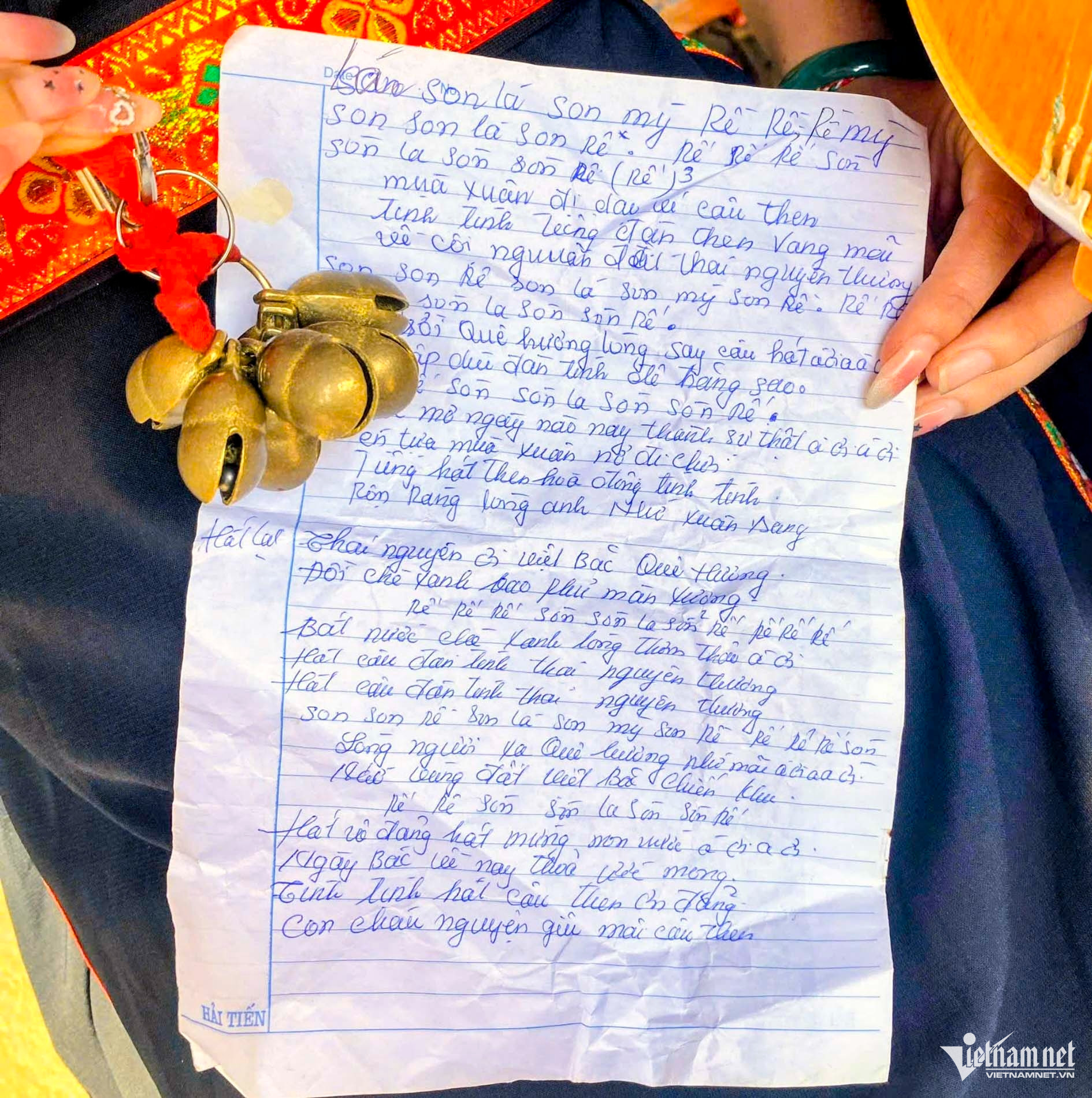
But memorizing the lyrics was only the beginning. Learning to play the instrument, maintain the rhythm and perform an entire Then song required years of practice and dedication.
According to Thoa, the challenge lies not only in remembering the words but also in controlling one's breathing, mastering vocal ornamentation and keeping the singing perfectly synchronized with the instrument.
"Knowing the lyrics doesn't mean you can sing Then properly," she explained. "To perform a song beautifully, you must master the rhythm of the instrument because the melody and the singing are inseparable. If the rhythm slips, the spirit of the song falls apart."
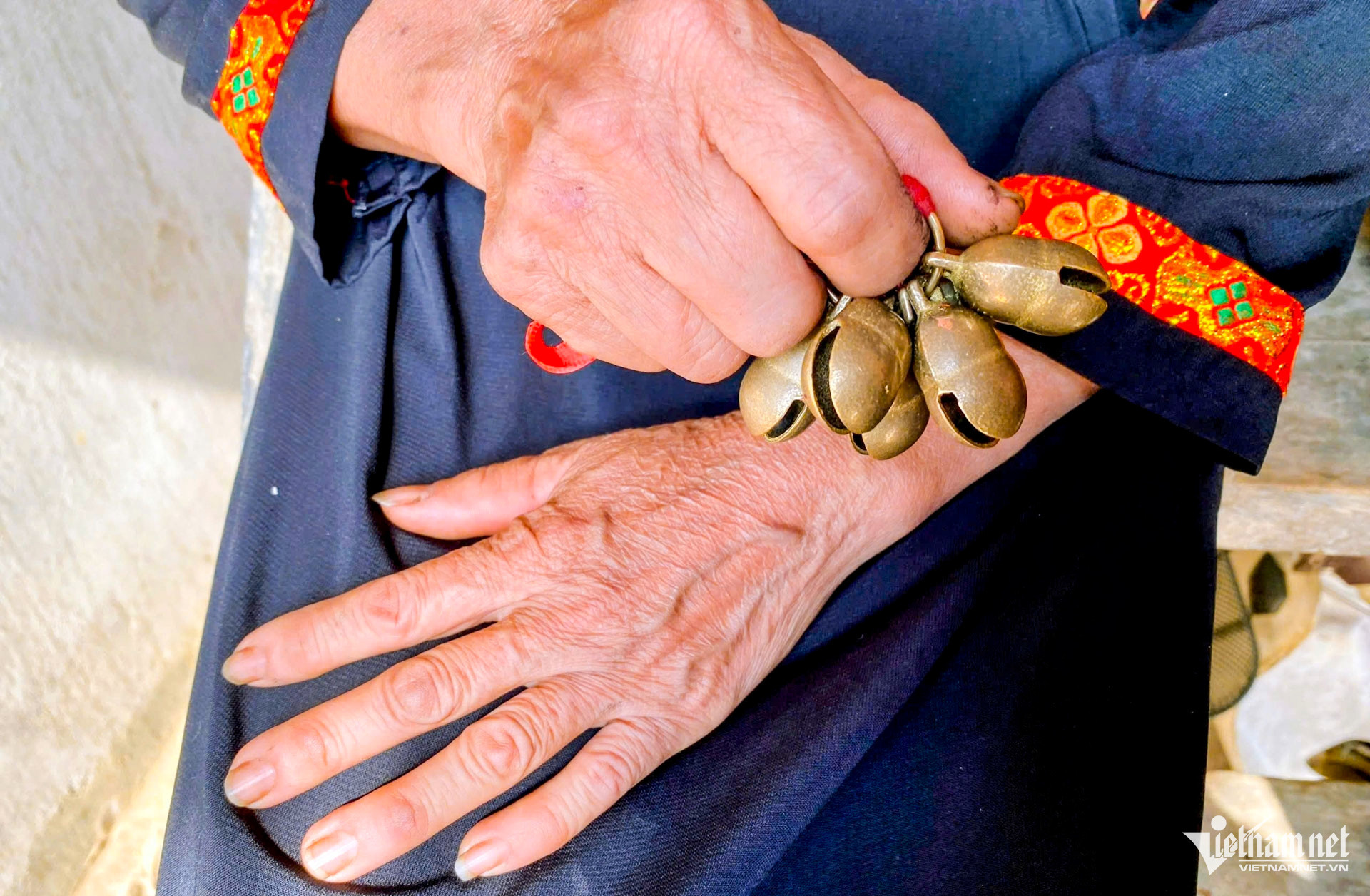
In Then performances, the Tinh lute is much more than an accompanying instrument. Its distinctive sound is an essential part of the art form's identity.
Sometimes slow and contemplative, sometimes flowing and lyrical, its notes support the singer's voice and guide the listener through the emotions of each performance.
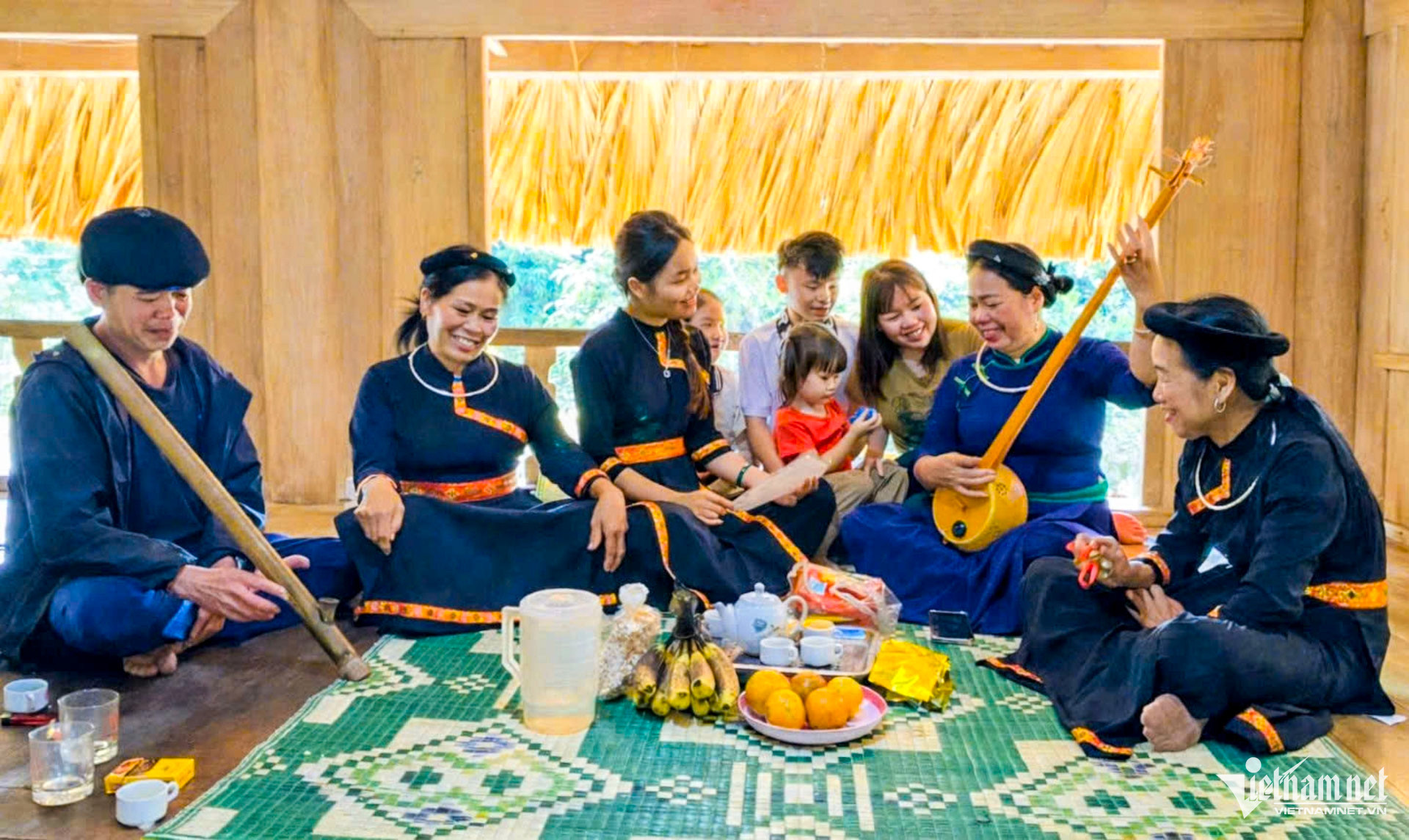
Producing that characteristic sound requires considerable craftsmanship and attention to detail.
A traditional Tinh lute consists of three main components: a resonating body, a neck and strings.
The resonating body is usually made from a mature, dried gourd, typically round and measuring approximately 15-25 centimeters across. Its soundboard is commonly crafted from thinly worked wood to provide suitable resonance.
Carefully shaped sound holes allow the instrument to produce a clearer, more resonant tone.
The wooden neck must be straight, long and smoothly finished so that musicians can comfortably press the strings and produce the delicate variations characteristic of Then music.
Traditionally, the strings were made from twisted silk. Today, nylon strings are also used for greater durability and convenience.
Every component contributes to the instrument's distinctive voice.
Yet bringing the sound of the Tinh lute into harmony with Then singing requires more than technical skill. Performers must also develop patience, sensitivity and an understanding of the cultural environment in which the tradition has evolved over generations.
Keeping the spirit of Then alive in a changing world
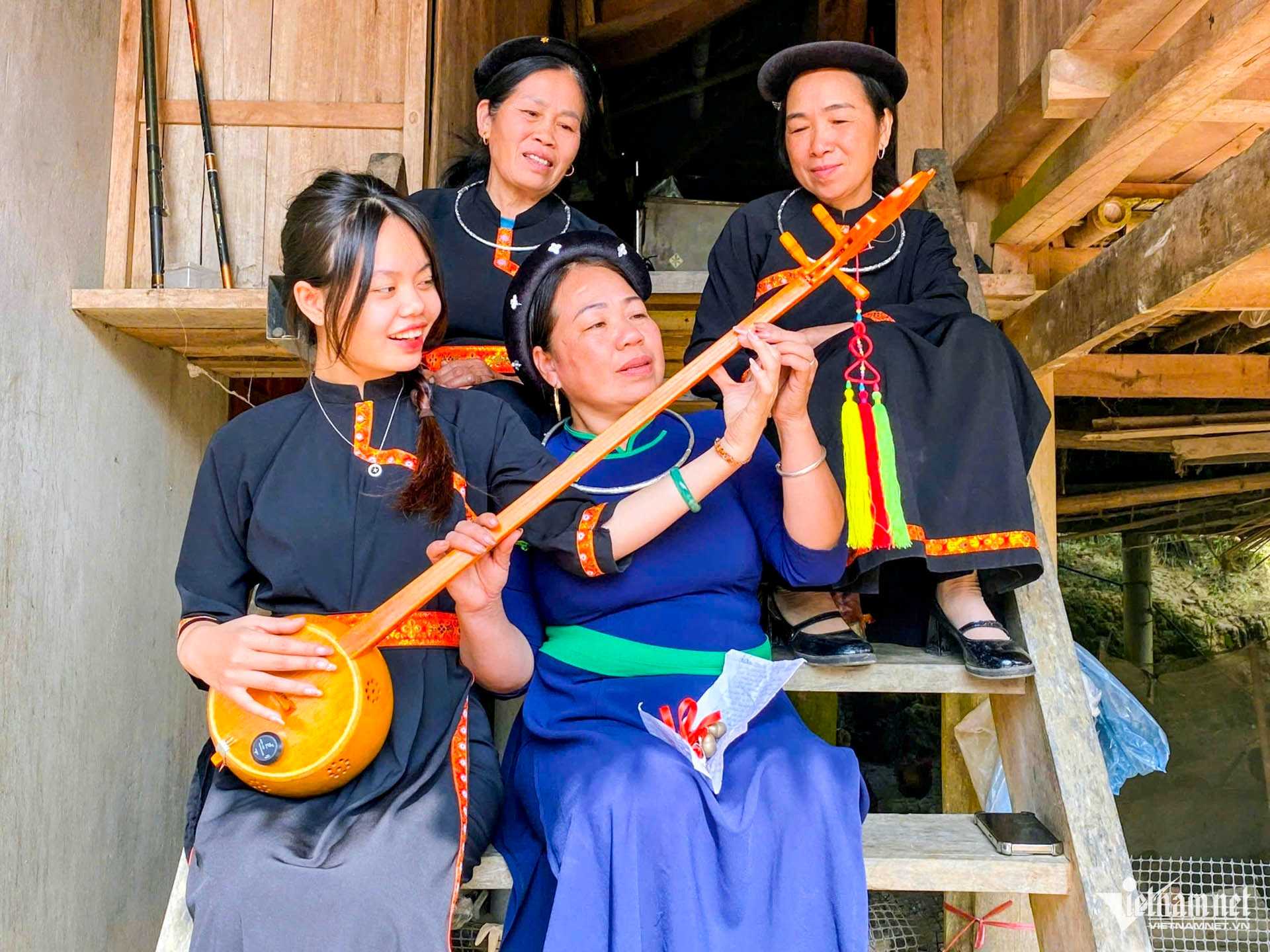
Then singing is not simply a form of musical entertainment. It is closely connected to the spiritual life, beliefs and cultural identity of the Tay people.
Through melodies handed down across generations, listeners can discover the community's worldview, emotions and aspirations for peace, happiness and a better life.
In traditional ceremonies, Then singing carries profound spiritual significance, expressing the connection between human beings, the natural world and the spiritual realm according to folk beliefs.
This cultural depth gives Then its distinctive appeal, while also requiring practitioners to understand and respect the meanings embedded in each performance.
Today, the tradition is still passed down primarily through oral instruction, with younger generations learning directly from elders within their families and villages.
This approach preserves the intimacy and natural character of the art form, but it also presents growing challenges as young people have less time to participate in traditional community activities.
"Young people nowadays often leave their hometowns to build careers elsewhere, working in industrial zones or cities. Some even settle there permanently," Thoa said. "As a result, they have fewer opportunities to experience and connect with this traditional art."
For Thoa, preserving Then means more than continuing to perform familiar songs.
It also means finding ways to help younger generations understand, appreciate and willingly embrace their cultural heritage.
Every new learner who masters a melody, and every performance that brings the sound of the Tinh lute back into a community gathering, helps extend the life of the tradition.
As digital technology becomes increasingly accessible, online platforms are also creating new opportunities to preserve and promote Then singing.
Melodies once heard mainly within villages can now reach audiences far beyond their places of origin, particularly younger listeners.
Recording, archiving and sharing traditional performances online can make this musical heritage more accessible while creating valuable resources for cultural preservation, research and education.
Such efforts can also provide inspiration for contemporary creativity, allowing traditional cultural materials to contribute to the development of Vietnam's cultural industries.
Despite the changes around her, Thoa continues to nurture her passion for Then singing in Duc Luong Commune.
She does not see her dedication as anything extraordinary. To her, it is simply a continuation of something she has loved for most of her life, ensuring that the music of her parents and grandparents does not fade away with time.
"As long as I can still sing, I will keep this tradition alive," she said. "And if our children and grandchildren want to learn one day, I hope there will still be someone here to teach them, so these melodies will never be forgotten."
Authorities in Duc Luong Commune regard the preservation and promotion of Tay cultural traditions as an important part of local socioeconomic development and efforts to enrich residents' spiritual and cultural lives.
Through cultural exchanges, performances and community activities, local officials encourage residents, particularly young people, to take an active role in safeguarding and passing down their ethnic heritage.
Connecting Then singing with everyday community life, local tea cultivation and cultural activities also helps create opportunities for the tradition to remain a living practice rather than merely a memory of the past.
Bao Khanh

