 Vietnamnet.vn

 Podcast



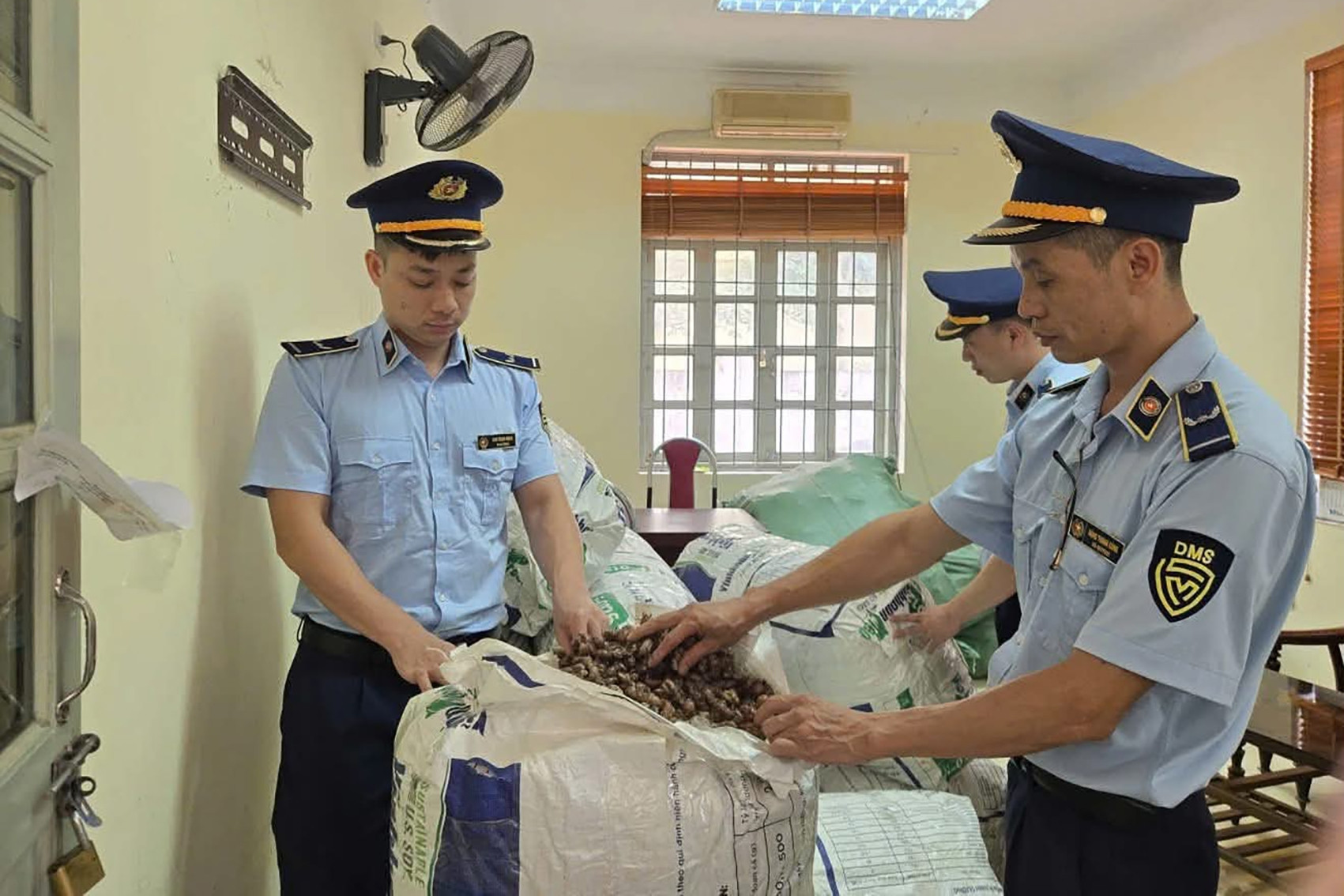
The case drew national attention after a video circulated online on May 10 showing a passenger bus stopped by an inter-agency inspection team, including market surveillance officers and traffic police, on National Highway 1A in Dong Kinh Ward, Lang Son Province.
The clip, filmed by a member of the bus company, captured officers repeatedly asking for documents related to a shipment of dried cicada shells being transported from Son La Province to Lang Son.
As the inspection continued, the bus company contacted the owner of the shipment to inform them that authorities were demanding paperwork before allowing the goods to continue their journey.
The footage quickly triggered debate online, with many social media users questioning why officials were asking for “documents for cicadas.”
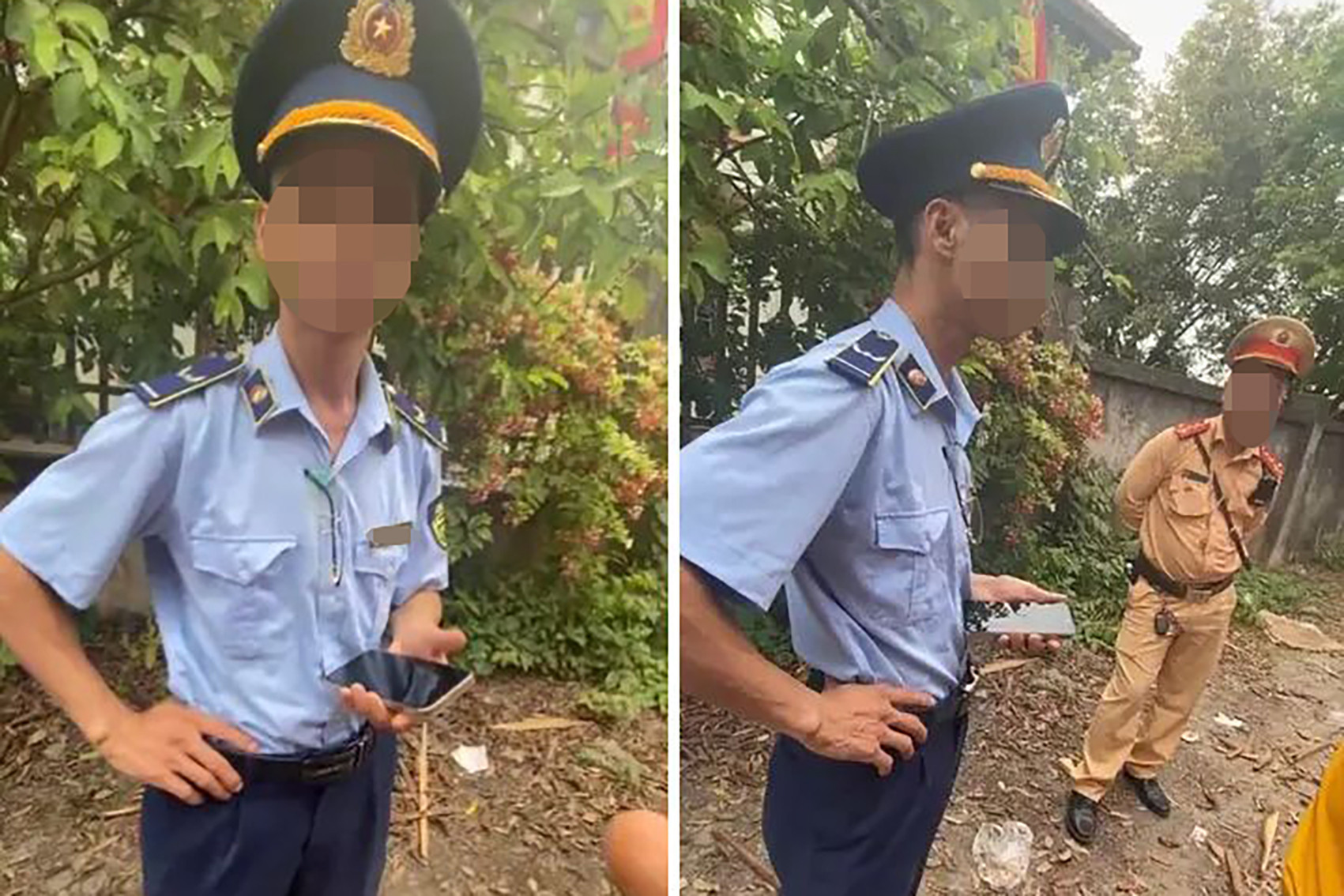
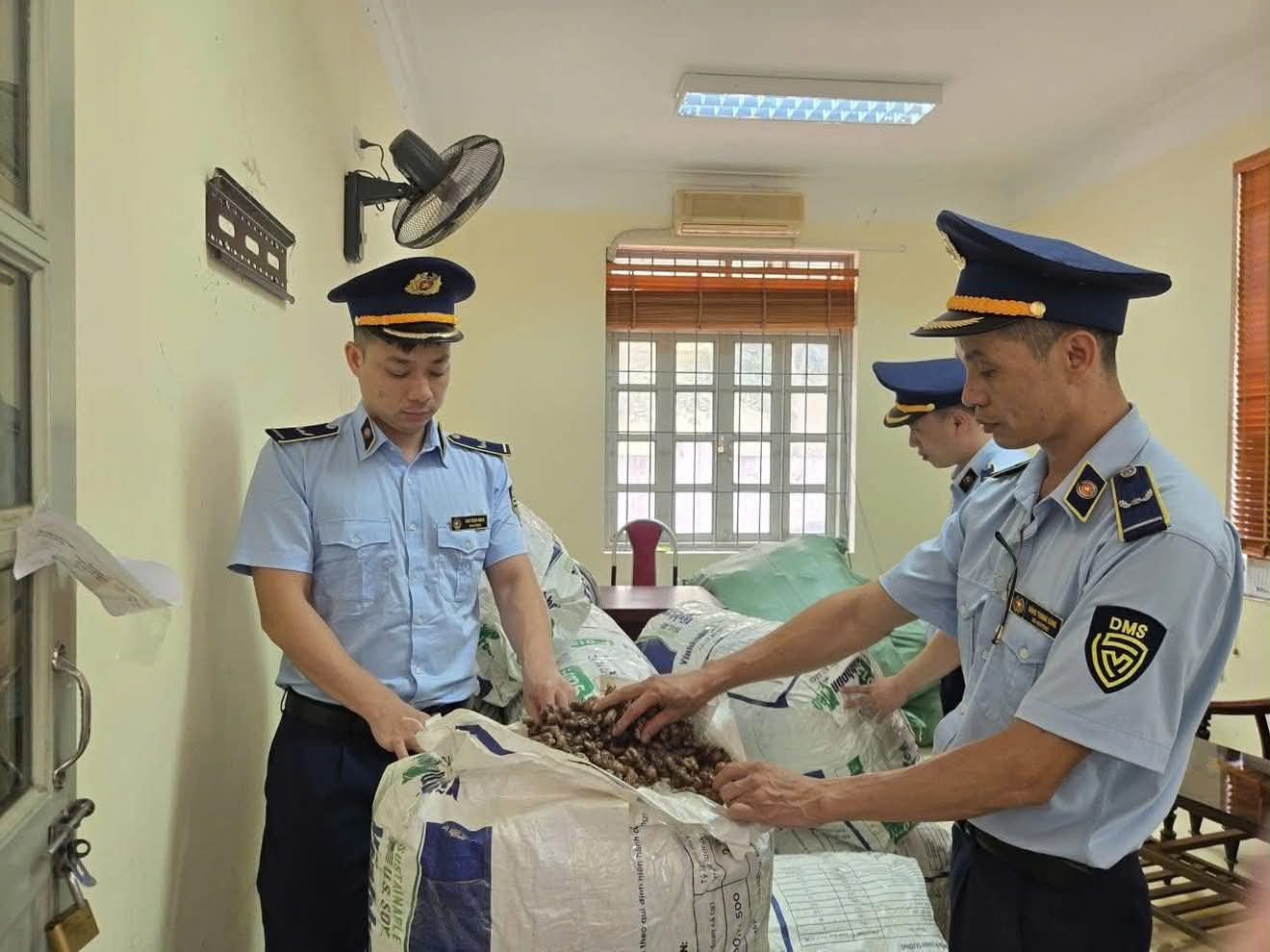
Market surveillance officers in Lang Son inspect the 80kg shipment of dried cicada shells.
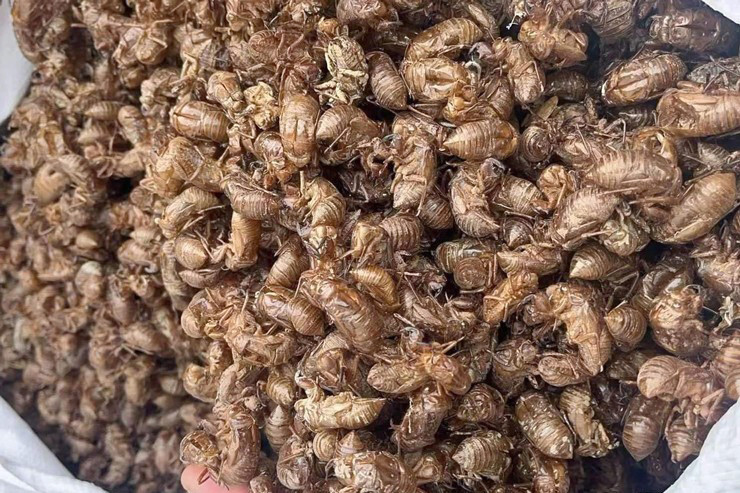
Speaking to VietNamNet, Chu Ngoc Ha, head of Market Surveillance Team No.1 in Lang Son Province, confirmed the inspection took place on May 10 and involved nine large sacks containing 80kg of dried cicada shells.
Ha explained that the phrase “invoices and documents” used by officers in the clip was a general reference to declarations, purchase records and papers proving the legal origin of the goods.
According to authorities, dried cicada shells - known in traditional medicine as “thuyen thoai” - are classified as medicinal materials under Circular No. 09/2024 issued by Vietnam’s Ministry of Health.
Because the goods were being transported in large commercial quantities, officials said the shipment required paperwork proving where the products were collected and who purchased them.
“People collecting cicada shells in gardens or hillsides to sell is not a problem. But collection points and traders must have business registration and records showing where the products were purchased and who they were sold to. Without documents, there is no basis to determine origin,” Ha said.
Authorities temporarily held the shipment for up to seven days while waiting for the owner to provide supporting paperwork.
During the inspection, officials also raised concerns over product safety, including whether the cicada shells had been collected from areas exposed to pesticides.
On May 12, Ha said the owner of the shipment, identified as N.K.T. from Hanoi, authorised a representative in Lang Son to work with authorities and submit documents proving the origin of the goods.
The representative provided a goods declaration form issued under Circular No. 20/2026 of the Ministry of Finance, along with handwritten purchase records from local residents in Chieng Mai Commune, Son La Province.
According to Ha, the documents contained detailed information on quantity, buyers, sellers and signatures certified by local authorities.
Market surveillance officers then coordinated with local officials in Son La to verify the authenticity of the signatures and declarations.
“The case was not complicated. At the time of inspection, the shipment had no paperwork attached, so it had to be temporarily held. If valid documents are later provided, the goods are returned,” Ha said
The representative for the shipment owner also acknowledged that the goods should have been transported together with the declaration forms from the beginning.
On May 13, Lang Son authorities confirmed that all documents had been verified and deemed valid.
The entire shipment of dried cicada shells was returned to the owner the same day.
Legal experts said the inspection was consistent with Vietnamese regulations governing medicinal products and commercial goods.
Dang Van Cuong, a lawyer and head of Chinh Phap Law Office in Hanoi, said the inspection was both lawful and necessary because the shipment involved a large quantity of medicinal material intended for commercial use.
“Although cicada shells may be naturally collected by local residents, this shipment was clearly commercial in nature rather than a small personal transaction,” Cuong said.
He noted that businesses transporting goods in large quantities should maintain at least basic purchase records, declarations or receipts to prove lawful origin and protect their own interests during inspections.
According to Cuong, proper documentation not only supports state management but also helps businesses avoid disputes or administrative penalties.
The incident has since become a widely discussed example of the growing scrutiny surrounding the transport and trade of medicinal materials in Vietnam.
Pham Cong
.svg)
