 Vietnamnet.vn

 Podcast



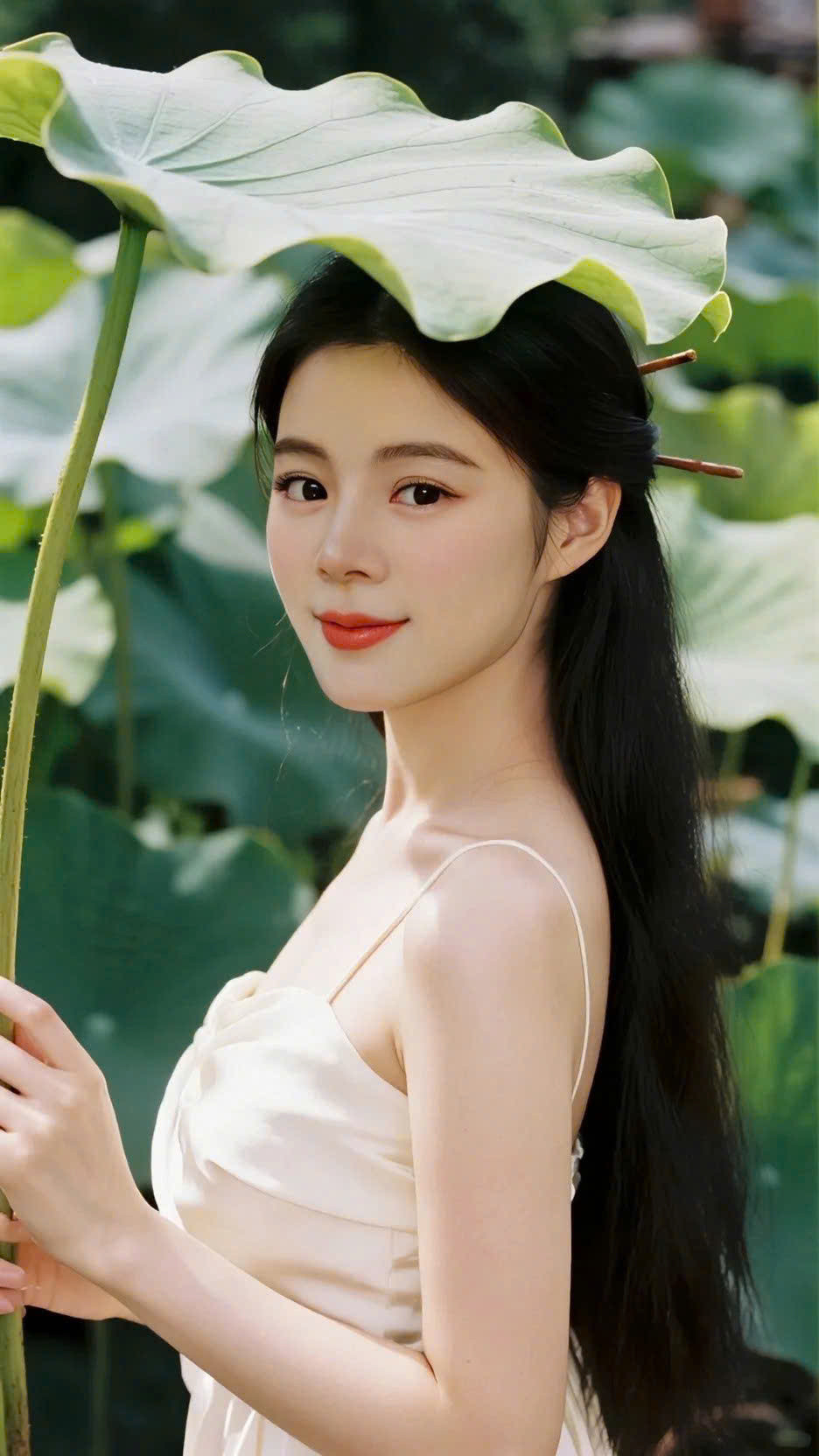
Huong My Bong insists that “Drunk a lifetime for you” was never meant for fame.
“It was a confession in music,” she explained - a deeply personal ballad about loving someone so completely it consumes an entire lifetime.
But as the song gained traction online, speculation followed. Some claimed it was AI-generated. Others said it was sold, borrowed, or stolen.
The whispers grew louder after singer Nguyen Vu publicly suggested that the song might have come from an AI demo - a claim he attributed to the song’s producer, Ken Quach.
The accusation was serious. Under Vietnamese law, works created by artificial intelligence are not eligible for copyright protection.
If true, it would mean the song had no human author.
Copyright confirmed - but controversy continues
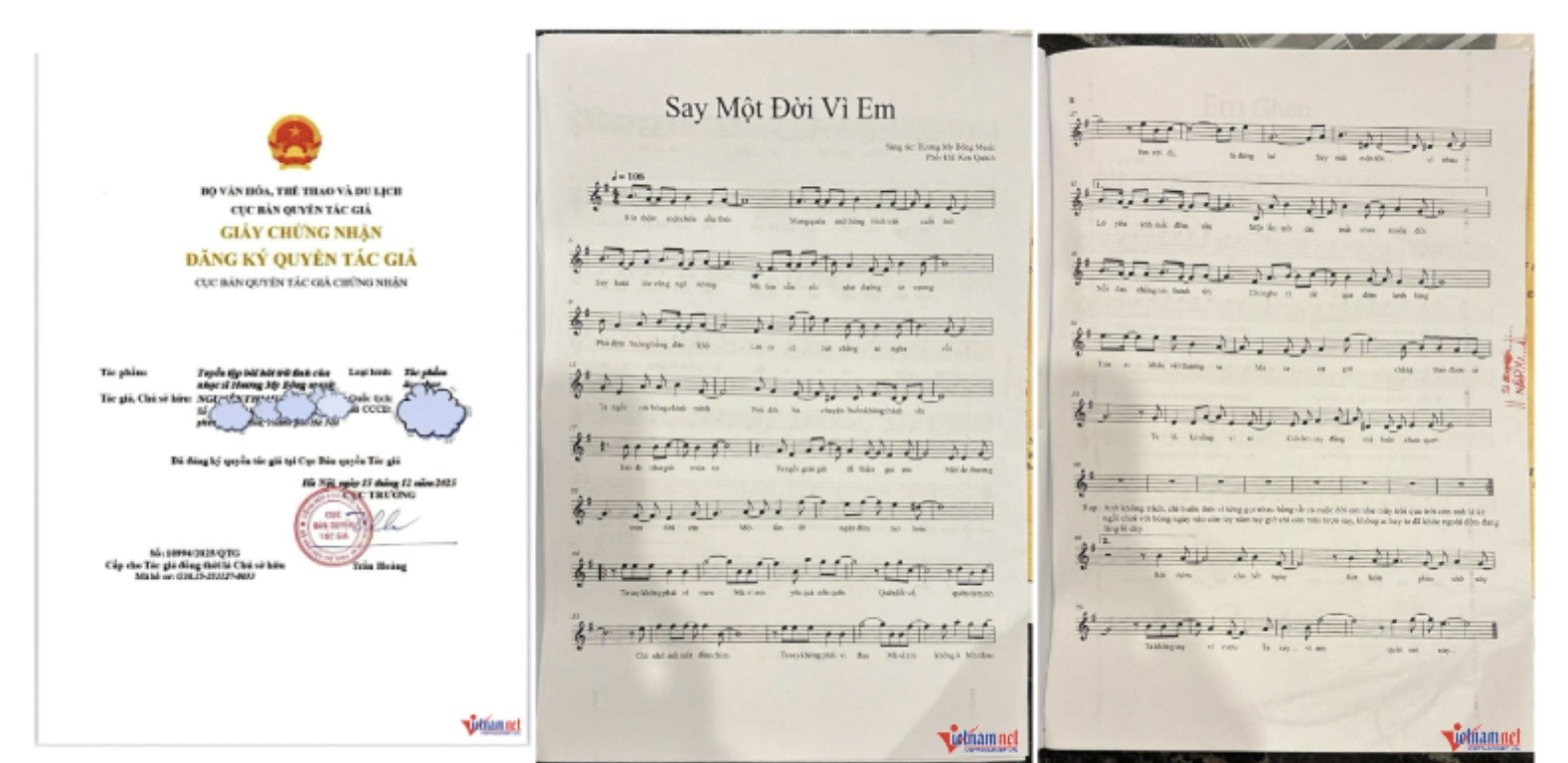
To protect her work, Huong My Bong had already registered “Drunk a lifetime for you” with the Vietnam Copyright Office, submitting handwritten drafts, early vocal demos, and a formal declaration that she alone wrote both the lyrics and music.
The office reviewed the evidence and issued a certificate in her name - an official, legal recognition of her authorship.
Still, the storm didn’t calm.
Huong My Bong emphasized that Ken Quach was only the arranger, not a co-writer. She said she hired him to produce the track and paid him for his services, while retaining full creative and legal rights.
Ken later confirmed her account in interviews: “I arranged the track. I didn’t write it,” he said.
But confusion deepened when Nguyen Vu released his own music video version of the song - prompting Huong My Bong to accuse him of exceeding the rights she had granted.
“I gave permission to sing, not to claim”
According to Huong My Bong, she had allowed Nguyen Vu to perform a cover of her song.
But there was no written contract, and she never agreed to transfer ownership or commercial rights.
“I gave him permission to sing the song, not to own it,” she said. “That’s a big difference.”
Nguyen Vu, for his part, said he had been told the song originated from AI and assumed it was royalty-free.
He claimed he never meant to deny her authorship, only to participate in what he believed was a shared creative project.
But for Huong My Bong, the damage was done.
What had begun as an intimate musical expression had turned into a public legal battle - and an online debate about her integrity.
The legal road ahead
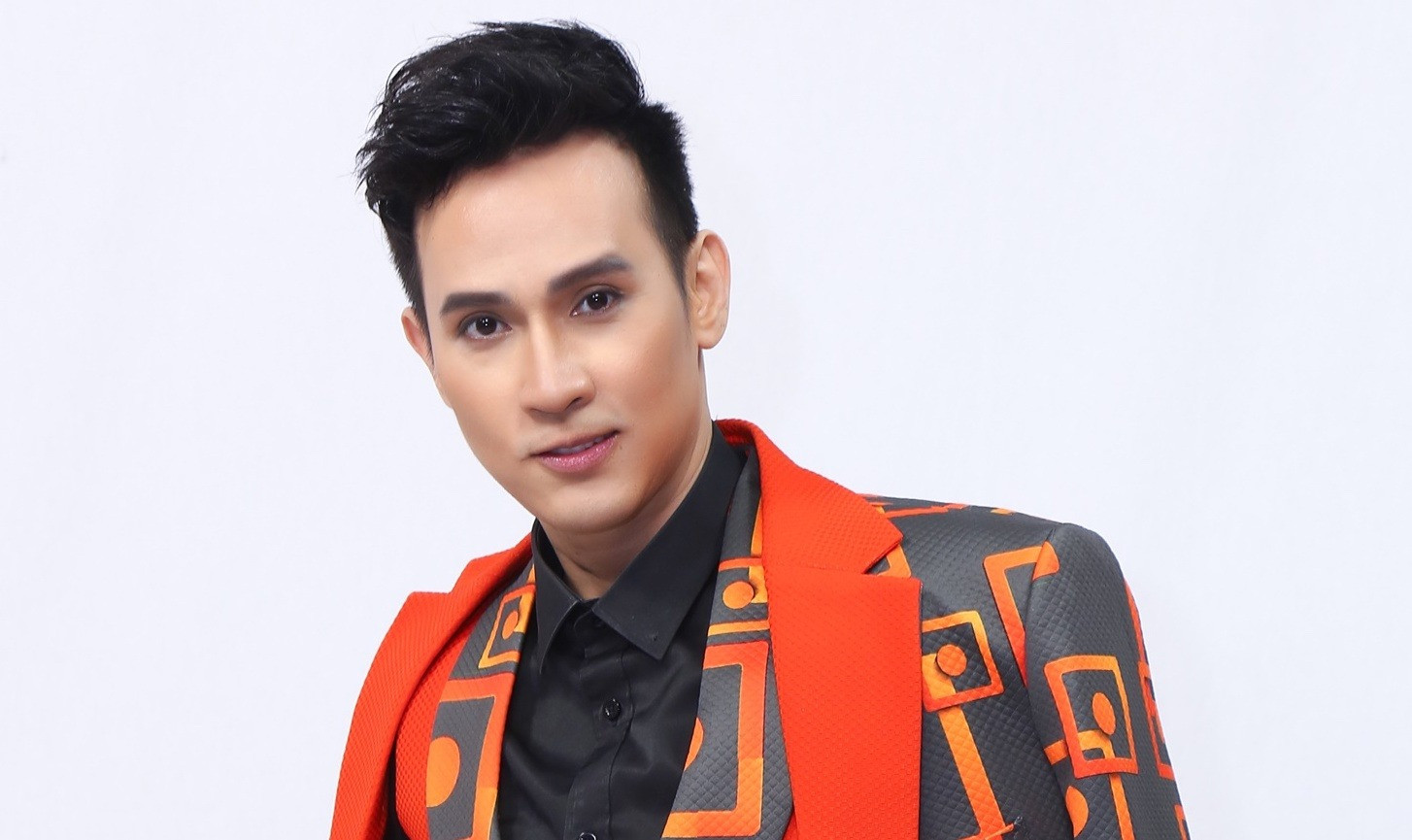
Determined to defend her rights, Huong My Bong says she is now preparing to take legal action against anyone infringing on her authorship.
The Copyright Office has reaffirmed her claim, stating that the song is registered under her name as a human author, and that any dispute must be resolved through proper legal channels.
“If someone believes I didn’t write it,” she said, “then let them bring proof to court.”
More than a song - a question of authorship in the AI age
The story of “Drunk a lifetime for you” is now larger than one artist or one song.
It speaks to a growing tension in a world where artificial intelligence can compose, paint, and write - often faster than humans, but without a heart to feel.
When music is generated by code instead of emotion, who owns it? Who is the artist?
For Huong My Bong, the answer is simple.
“No machine can feel heartbreak,” she said softly. “No AI understands what it means to love someone so much it leaves you drunk for a lifetime.”
She isn’t just defending her song.
She’s fighting for what it means to create.
Nguyen Vu performing “Drunk a lifetime for you”.
The AI-generated female vocal version of “Drunk a lifetime for you” was created using the author's own voice processed by artificial intelligence.
“Drunk a lifetime for you” performed by an AI-generated voice.
Tinh Le
.svg)
