 Vietnamnet.vn

 Podcast



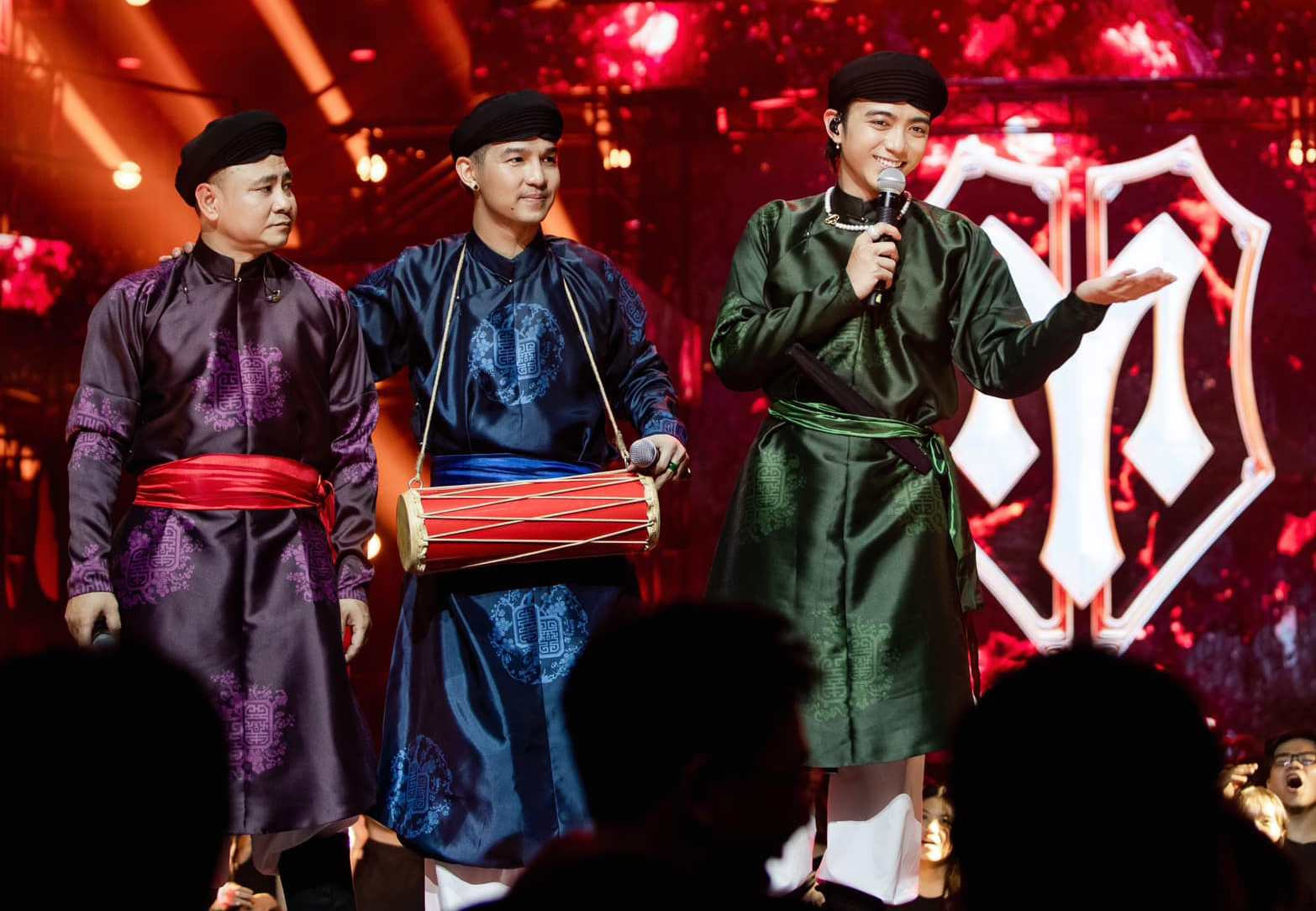
High growth cannot be created solely by building more factories, roads, or capital investment flows. In a knowledge-based economy, an increasingly large portion of value stems from things that are "light" in material terms but "heavy" in intellect: ideas, stories, designs, music, imagery, copyright, experiences, and identity.
To grow faster and more sustainably, Vietnam must better exploit its cultural resources and human creativity.
Culture's contribution, first and foremost, does not lie solely in GDP. Culture shapes the human element of development. A society endowed with patriotism, trust, discipline, responsibility, and aspirations for advancement will possess greater resilience.
Double-digit growth requires not only more capital, but also people who work more efficiently, act more creatively, and place personal interests within the common good. Culture serves as the "soft infrastructure" of development.
Party General Secretary and State President To Lam noted: "It is the enduring vitality of culture that has preserved the vitality of the nation." During the nation’s most difficult moments, patriotism, solidarity, morality, and national fortitude helped the Vietnamese people overcome adversity. In peacetime, those values convert into trust, responsibility, and developmental aspirations - resources that are hard to measure in money yet decide growth quality.
Culture simultaneously generates direct economic value. Resolution 80-NQ/TW identifies cultural and human development as a foundational, crucial resource and a major driver of development, while targeting cultural industries to contribute 7 percent of GDP by 2030.
At the second meeting of the Central Steering Committee on Vietnamese Cultural Development on July 13, 2026, Lam requested "developing cultural industries into a new growth engine, turning cultural strength into national competitive capacity." Culture must therefore penetrate inside the value creation process.
South Korea demonstrates the power of content when organized into a complete business field. In 2024, its content industry reached 157.4 trillion won in revenue and over $14 billion in exports.
K-pop, television dramas, video games, and webtoons bring in more than just copyright royalties. They drive tourism, cosmetics, fashion, cuisine, language, and national image. A single film can turn a location into a destination.
Japan shows the strength of intellectual property accumulated over long periods. Anime, manga, games, Hello Kitty, Doraemon, or Pokémon are IPs capable of living for decades, continually adapted to generate revenue. In 2023, Japan's overseas content revenue reached around 5.8 trillion yen, surpassing the export value of its steel or semiconductor industries.
While statistical methods among these nations differ, the underlying message is clear: Culture generates major growth only when organized into an ecosystem comprising creativity, technology, business, copyright, finance, markets, and international promotion.
Cultural resources do not create economic value on their own. Heritage becomes a development resource only when retold in the language of the modern era; a story becomes an asset only when backed by creators, corporate investment, technology amplification, and intellectual property protection mechanisms.
A change in perspective
Vietnam lacks no materials for that journey. It has thousands of years of history, a rich treasure trove of heritage, diverse cuisine, exquisite traditional crafts, distinct urban identities, a tech-savvy young generation, and a market of over 100 million people.
What remains missing is the ability to connect those resources into competitive products. We have many good stories but few strong IPs; and abundant heritage, yet modest revenue from experiences, designs, copyrights, and derivative products.
For culture to make a substantive contribution to double-digit growth, it is necessary to start with perspective. Every heritage site is not merely a conservation object but a creative resource. Every artist, designer, programmer, and filmmaker is a value-adding entity. Every museum, theater, and public space can become a link in the experience economy. Every historical tale, folklore character, dish, and craft village holds the potential to become an IP if systematically invested in.
The State needs to pave the way through institutions, data, and infrastructure, while enterprises can organize markets, and creators must be protected.
Double-digit growth, ultimately, is not just about producing more, but about creating higher value from what we already possess. When a Vietnamese story becomes a film watched worldwide, a traditional motif enters fashion, a historical figure becomes a game character, a craft village turns into a destination, or a dish becomes a global brand, we generate not only revenue, but also pride, identity, and national image.
To find a new engine for double-digit growth, we must look more seriously at culture.
Associate Prof Dr Bui Hoai Son
.svg)
