 Vietnamnet.vn

 Podcast



Ai Tiau Tiei Ra Lu, commonly known as Ho Quang Tien, was born in 1993. He has dedicated himself to bringing the cultural values of his Bru Van Kieu community closer to a wider audience, particularly young people, through digital platforms.
From hardship to a journey back to his roots
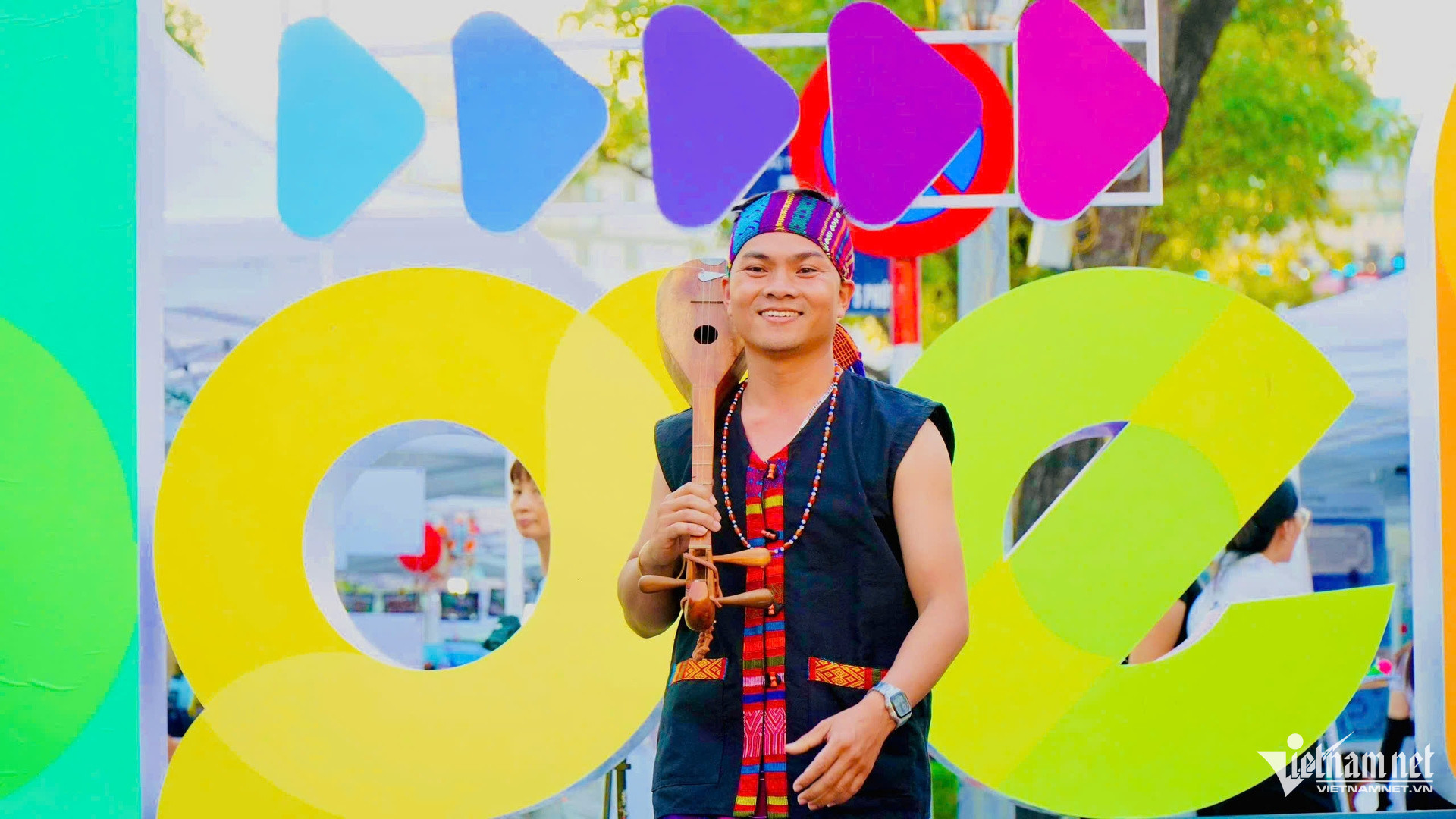
Tien was born and raised in Ta Doq village in Ea Phe Commune, Dak Lak Province in Vietnam's Central Highlands. His childhood was shaped by the simple rhythms of village life and cultural stories passed down through generations.
In 2011, when he began a preparatory program at Tay Nguyen University, his family faced a major hardship. His mother became seriously ill, while his father worked as a construction laborer to cover her medical expenses.
Not wanting to add to his family's burden, Tien studied while taking on various jobs, including working at restaurants and picking coffee to help his parents.
Those difficult years taught him perseverance, but they also left him grappling with a question: Who was he, and how well was the culture of his own people being preserved?
A turning point came in 2020 during a charity program in his hometown.
When asked how much he knew about Bru Van Kieu culture, Tien suddenly realized that although he had always been proud of his roots, he did not have a deep understanding of the traditions his ancestors had passed down.
He then began a journey to relearn the culture of his own community.
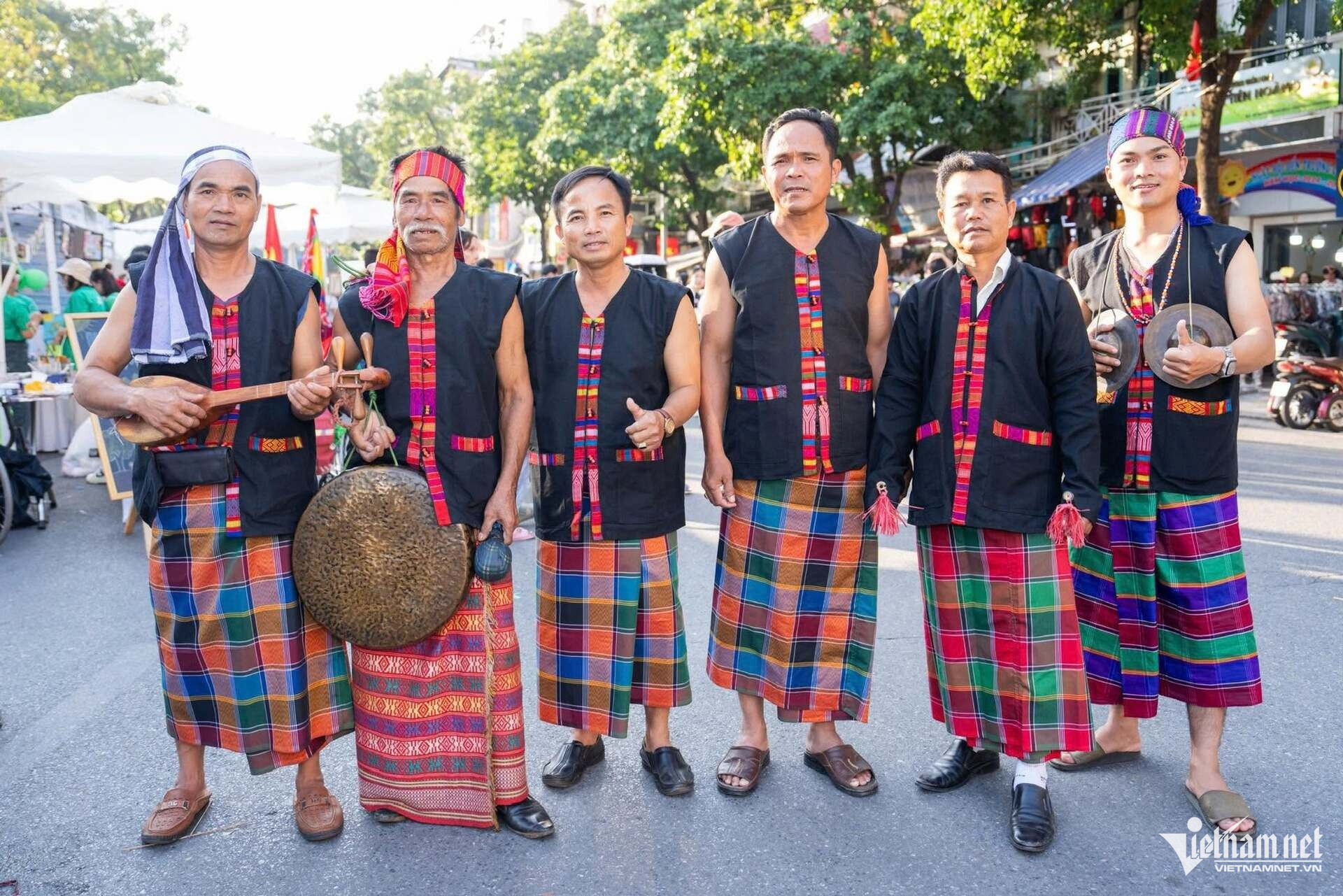
Guided and inspired by Meritorious Artisan Kray Suc, Tien became more motivated to explore the Bru Van Kieu people's gong music, folk songs and traditional customs.
For Tien, understanding one's roots is essential to confidently preserving and sharing one's cultural identity.
'Roots, Connection, Openness' to keep culture from fading
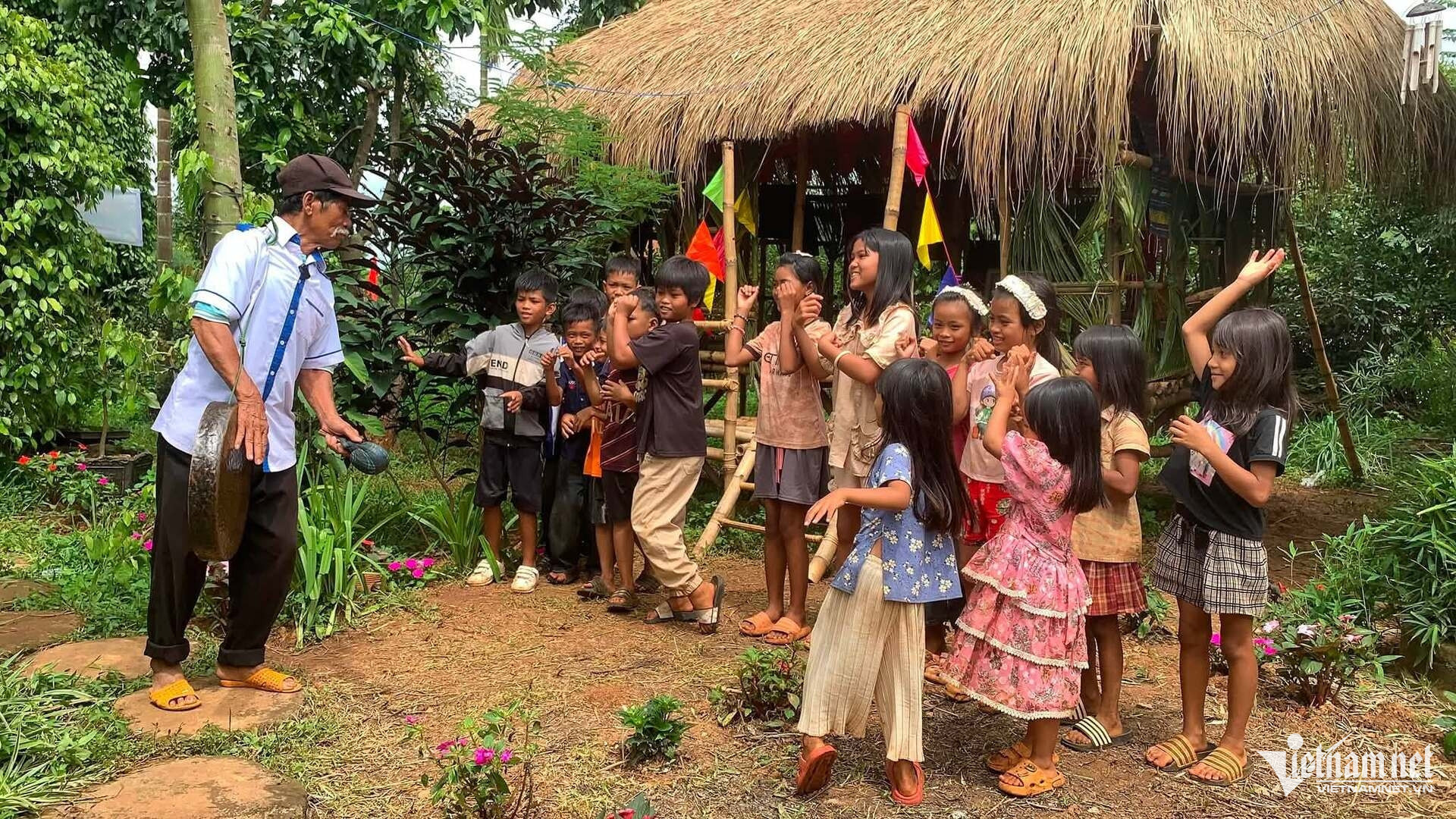
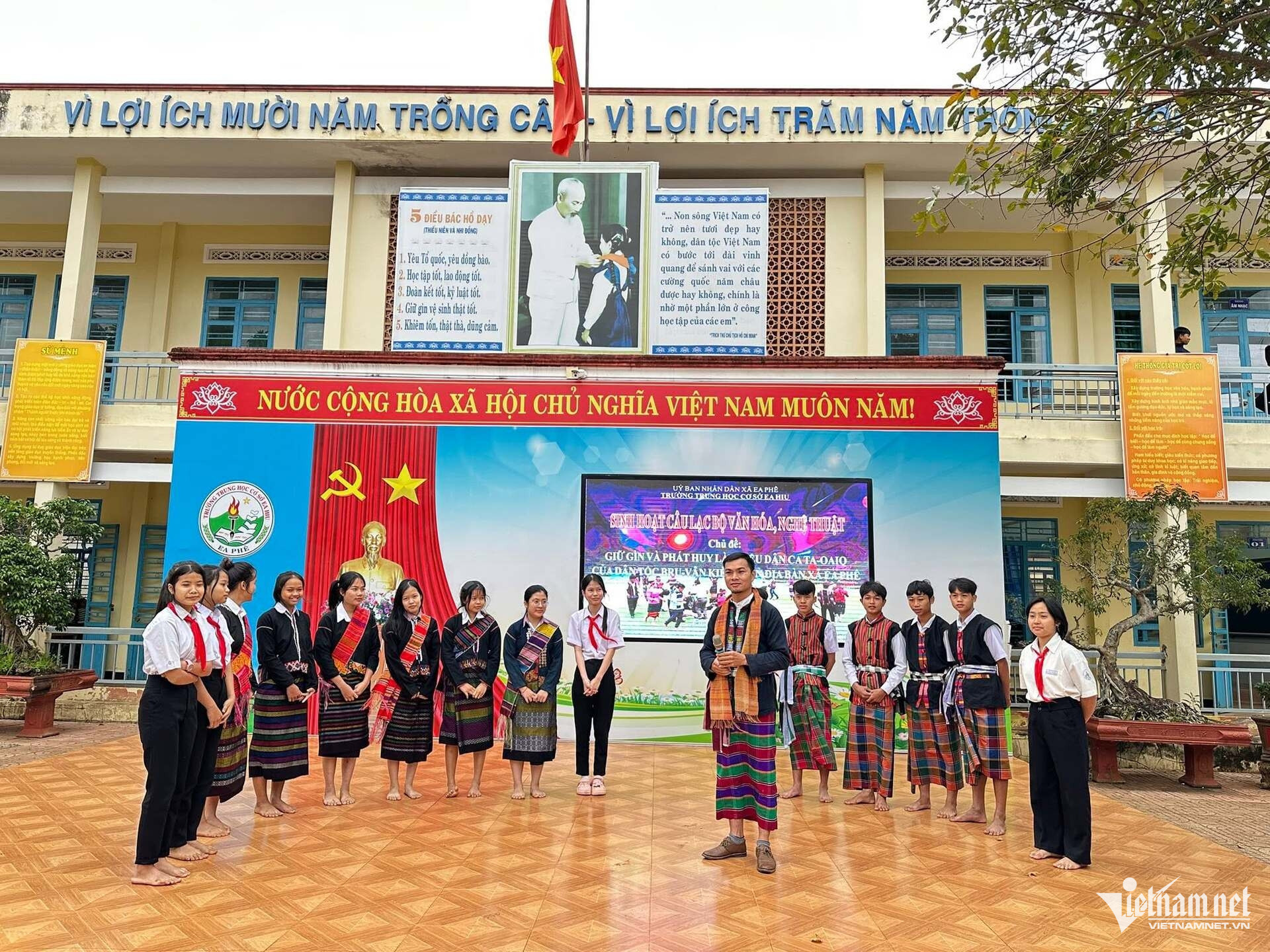
Tien's approach to cultural preservation is built around three principles: "Roots" to preserve cultural foundations, "Connection" to bring generations together and "Openness" to use technology to introduce the culture to a wider community.
At first, the idea of bringing traditional culture onto social media did not win everyone's support.
Some village elders and artisans worried that sacred traditions, including gong performances and Ta oaiq folk songs, could become commercialized or lose their solemn character if they appeared on Facebook and TikTok.
Tien understood their concerns. Rather than rushing ahead, he chose to listen and learn from those with the deepest knowledge of the community's culture.
Before publishing each video, he consults artisans and village elders to ensure that the content remains faithful to the spirit of the traditions.
Gradually, as images and stories of Bru Van Kieu life attracted growing attention online, village elders began to see a new opportunity: if their culture was not retold in the language of the modern era, it risked being forgotten.
The caution of older generations has therefore become a kind of safeguard, allowing Tien to innovate without losing the culture's identity.
Bringing village voices to a younger generation
.svg)
