 Vietnamnet.vn

 Podcast



In recent years, Tet music has clearly split into two distinct streams. One consists of hit songs that dominate the festive season, while the other is marked by outdated releases that draw heavy criticism.
A Tet soundtrack that roars
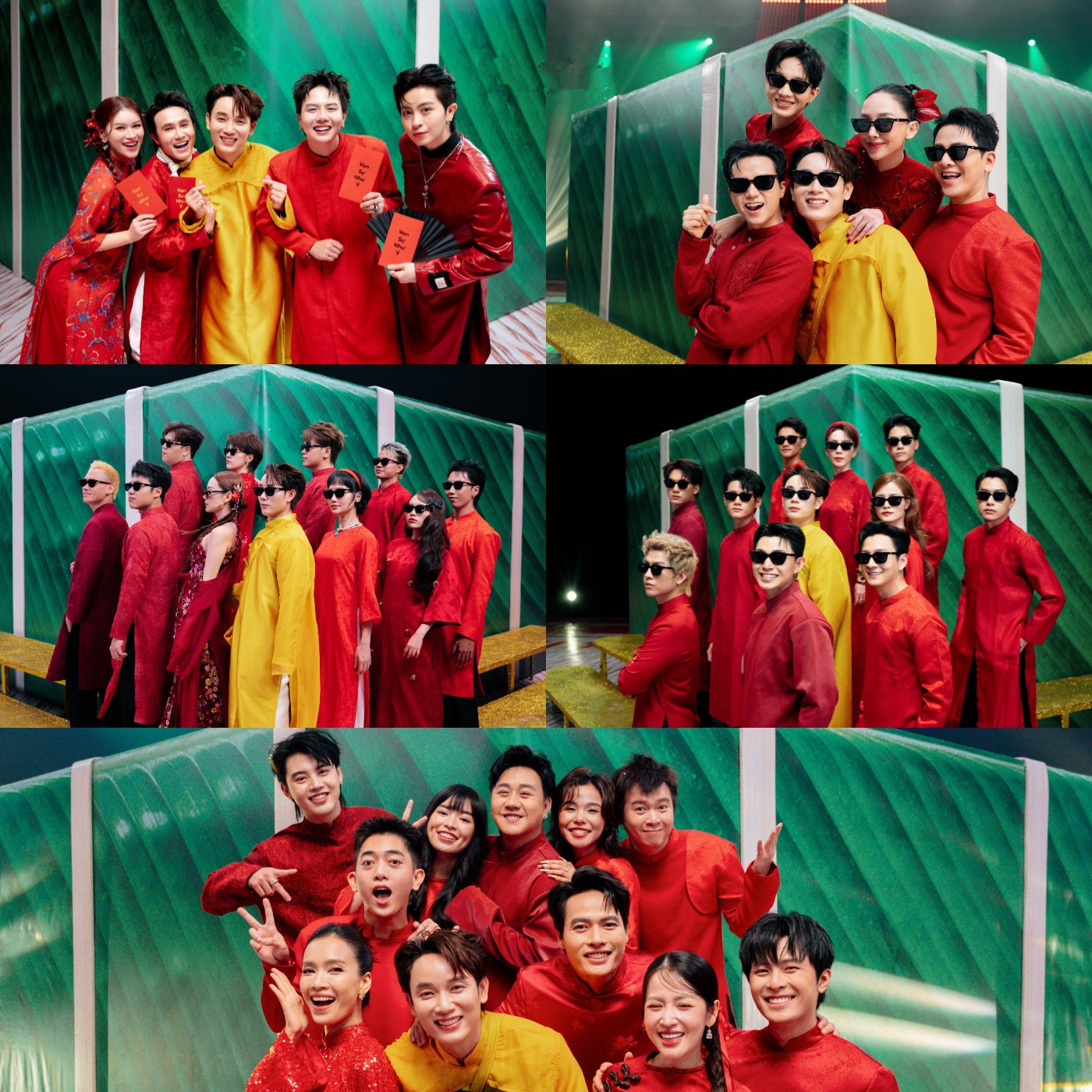
The brightest highlight of this year’s Tet music market is “Van su nhu y” by Truc Nhan.
The singer invested heavily in the MV, inviting 68 close artist friends to appear, including Thu Minh, Tung Duong, Ho Ngoc Ha, Noo Phuoc Thinh, Dong Nhi and Ong Cao Thang, Ngo Kien Huy, Toc Tien, Minh Hang and Miu Le.
After more than a month of release, the MV has reached 16 million views. His live performance of the song at the Lan Song Xanh Awards garnered 2.6 million views within 11 days, ranking second on trending music charts.
However, “Van su nhu y” spread most powerfully on TikTok thanks to its lively, catchy “tang tang tang” hook. Around 175,000 videos have used the track’s audio.
Each video Truc Nhan posts on his official TikTok channel attracts hundreds of thousands to five million views. Beyond the music itself, the “phui xui” dance - reminiscent of zumba - has also gone viral.
Not only is it the most successful Tet song of 2026, it also marks Truc Nhan’s first major hit of the year.
Other notable Tet releases include “Tet ta ve” by Dong Nhi, Jun Pham, Bui Cong Nam, Khoai Lang Thang and CongB; “Mong nam moi trai hoa” by HIEUTHUHAI; and “Tet luon mim cuoi” by Kay Tran.
Yet alongside these hits, controversy has flared as several long-established artists simultaneously released Tet products.
A viral dance, a wave of criticism
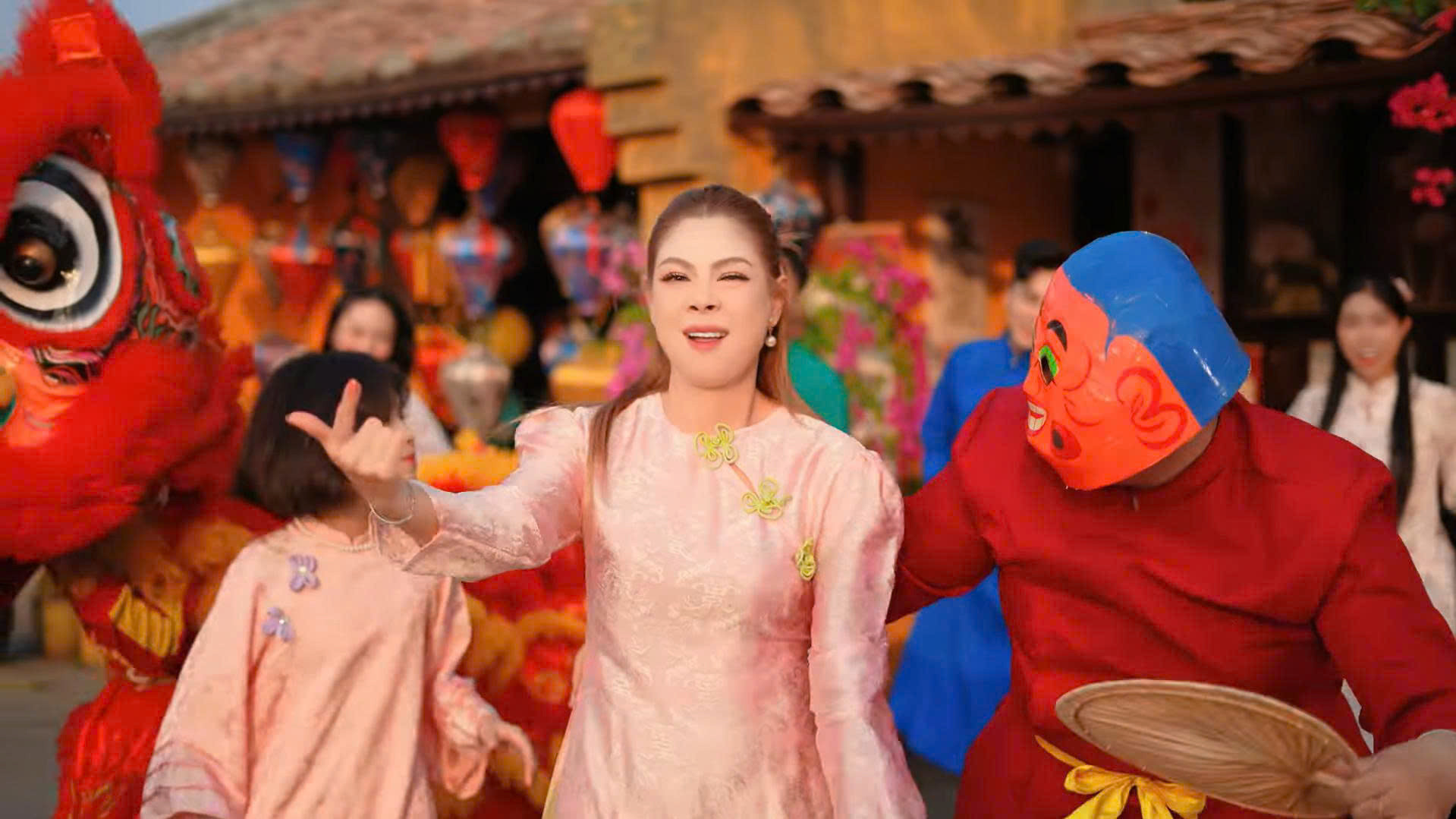
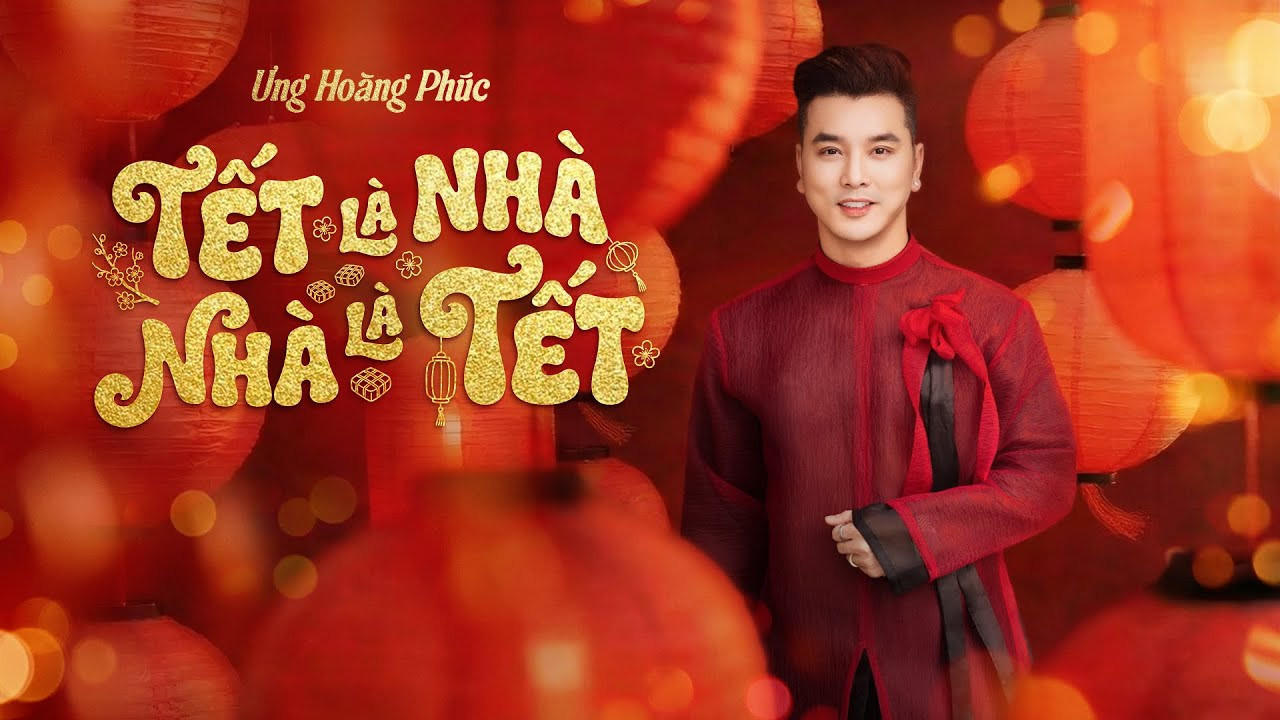
This Tet, Thanh Thao unveiled three songs: “Mua xuan van o lai,” “Kia Tet dang sang,” and “Chao xuan yeu thuong.”
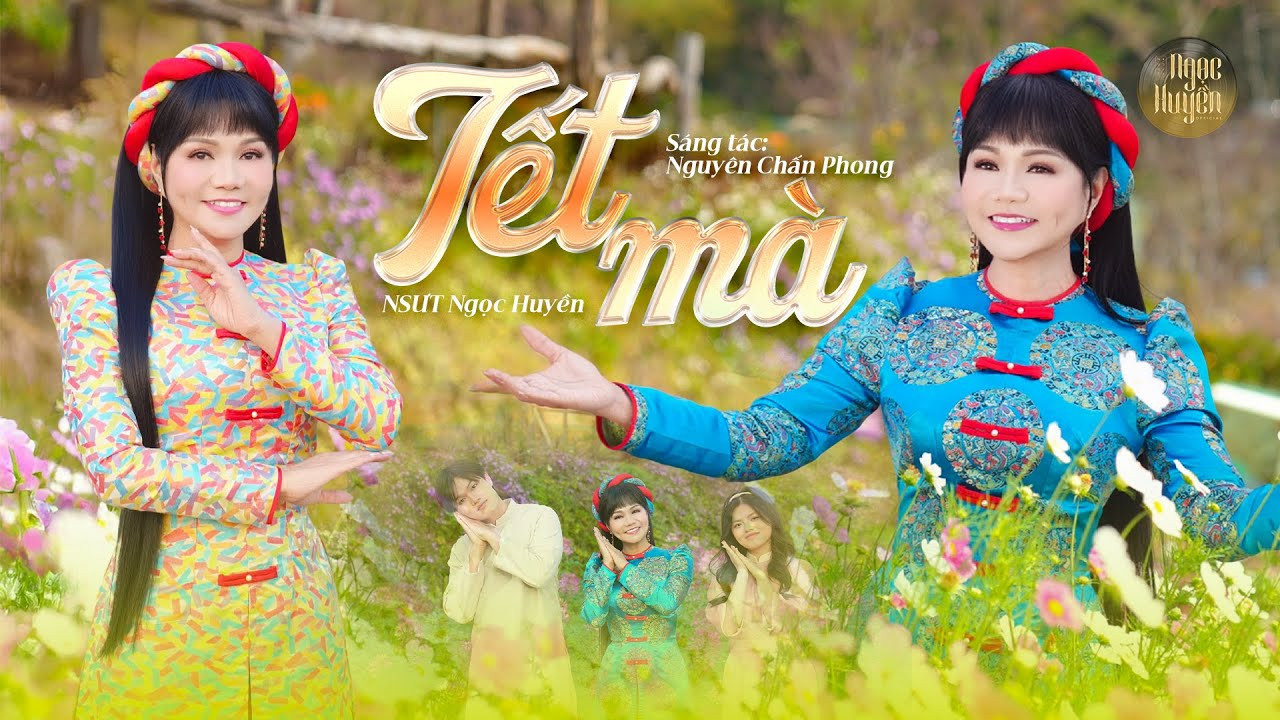
Meritorious Artist Ngoc Huyen also entered the race with the MV “Tet ma” and the reformed theatre piece “Cau chuc nang xuan.”
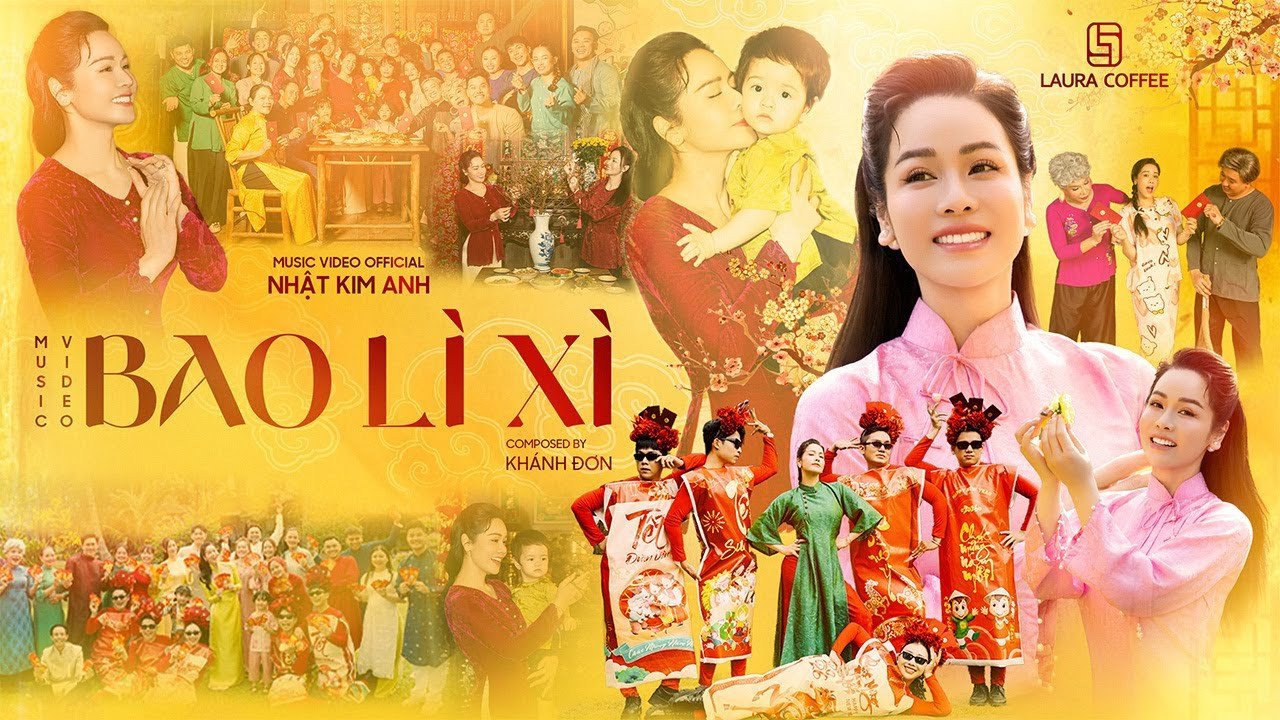
Two members of the scandal-tainted group Ngu Ho Tuong, Ung Hoang Phuc and Duong Ngoc Thai, released Tet MVs as well. Ung Hoang Phuc presented “Tet la nha, nha la Tet” and “Khoanh khac Tet,” while Duong Ngoc Thai and his wife introduced “Vui nhu Tet.” Trieu Ai Vy released “Tet la phai vui.” Nhat Kim Anh joined the list with “Bao li xi.”
These projects sparked debate because, overall, from song composition to MV production, they appeared to follow low quality standards and a style reminiscent of the 2000s.
In Western markets, the term “low effort” is often used to describe such products - minimally invested, lacking fresh ideas and executed hastily.
The lyrics revolve around familiar Tet imagery such as blossoming apricot and peach flowers, family reunions, banh chung and banh tet, or children showing off new clothes. Melodies, chord progressions and arrangements feel dated.
The MVs typically feature simple studio sets, the singer placed center stage with backup dancers, sometimes incorporating lion dance elements.
During their peak years, Thanh Thao, Ung Hoang Phuc and Duong Ngoc Thai frequently adopted this formula and were warmly received. Today, however, the approach feels outdated and inevitably invites ridicule.
In the case of Ho Quynh Huong, her song “Tet den la vui nha” was not poorly produced, yet audiences largely ignored it, suggesting her vocal style and technique may not align naturally with Tet music.
A sorrow or an opportunity?
One overlooked reality is that in recent years, Tet music has increasingly become a playground for brands.
Most of the most successful and widely shared Tet songs are commissioned advertising products from major corporations. Examples include “Chuyen cu bo qua” and “Em chao Tet” by Bich Phuong; “Ai chuyen cu ban hong?” by Truc Nhan; “Di ve nha” by Den Vau featuring JustaTee; “Tet nay con se ve” by Bui Cong Nam; and “Di de tro ve” by Soobin.
Purely independent Tet hits such as “Mot nam moi binh an” by Son Tung M-TP, “Nam qua da lam gi” by Noo Phuoc Thinh, or “Tet dong day” by Kay Tran, Nguyen Khoa and Duck V are increasingly rare.
It is not difficult to see that artists like Truc Nhan, Bich Phuong, Bui Cong Nam and Soobin are among brands’ most favored collaborators. Truc Nhan alone has appeared in more than 10 Tet MVs for various brands.
According to a source, commissions from major brands for Tet compositions can be worth several times the fee of ordinary songwriting contracts. Some have reportedly reached the billion-dong threshold, equivalent to the fee of an A-list star. For composers, a single Tet contract can mean a financially secure year.
The downside, if any, lies in thematic constraints and creative boundaries, as songs must align with brand communication strategies.
Yet when the music is strong enough, few listeners care whether it is commercial or mainstream. In recent years, brand-commissioned Tet songs have gradually reduced overt advertising elements, blurring the distinction between promotional music and traditional Tet releases.
Eventually, the line may disappear altogether. In the Tet seasons to come, the only distinction may be between good music and bad - between works that resonate and those that fall flat.
Mi Le
.svg)
